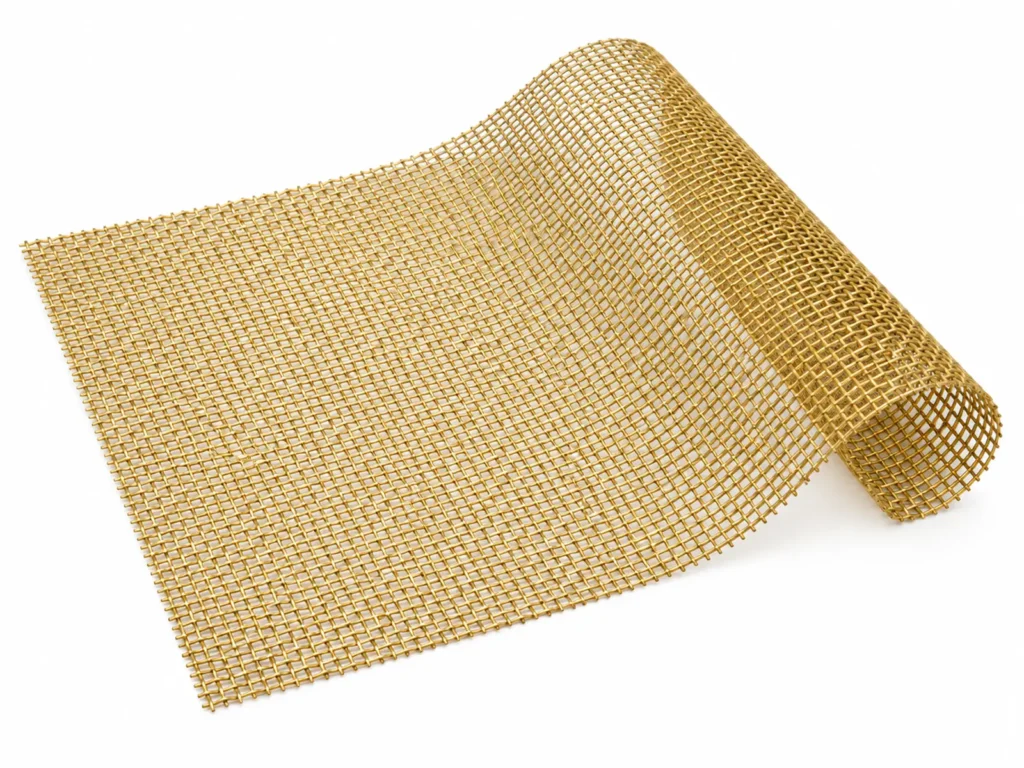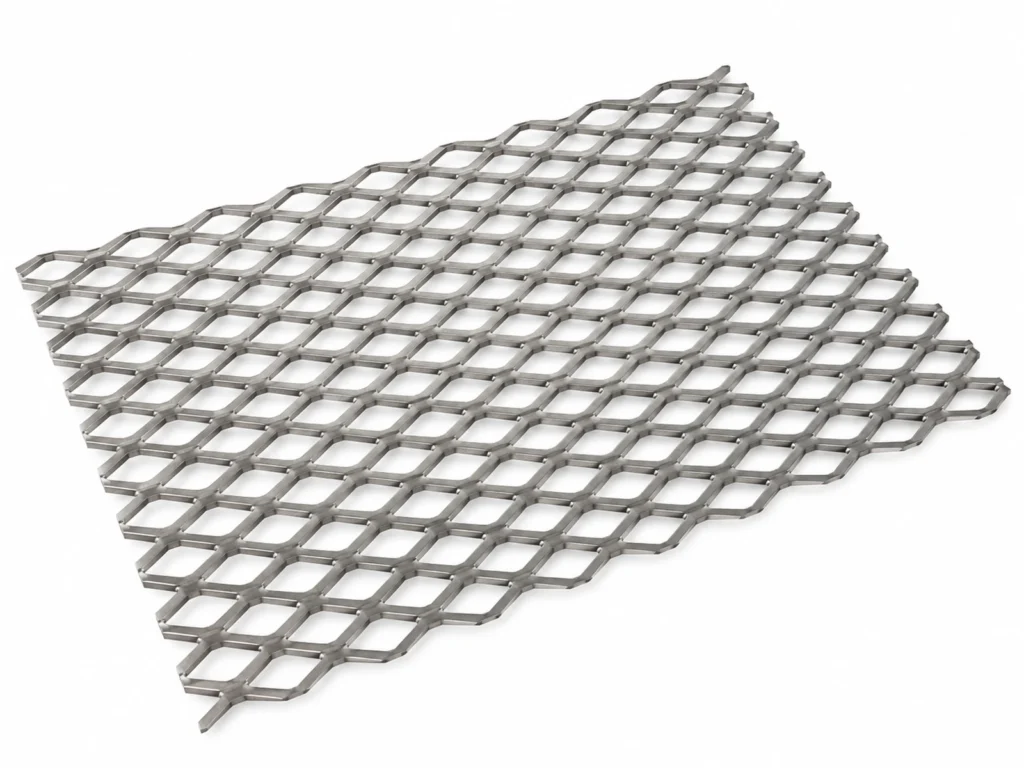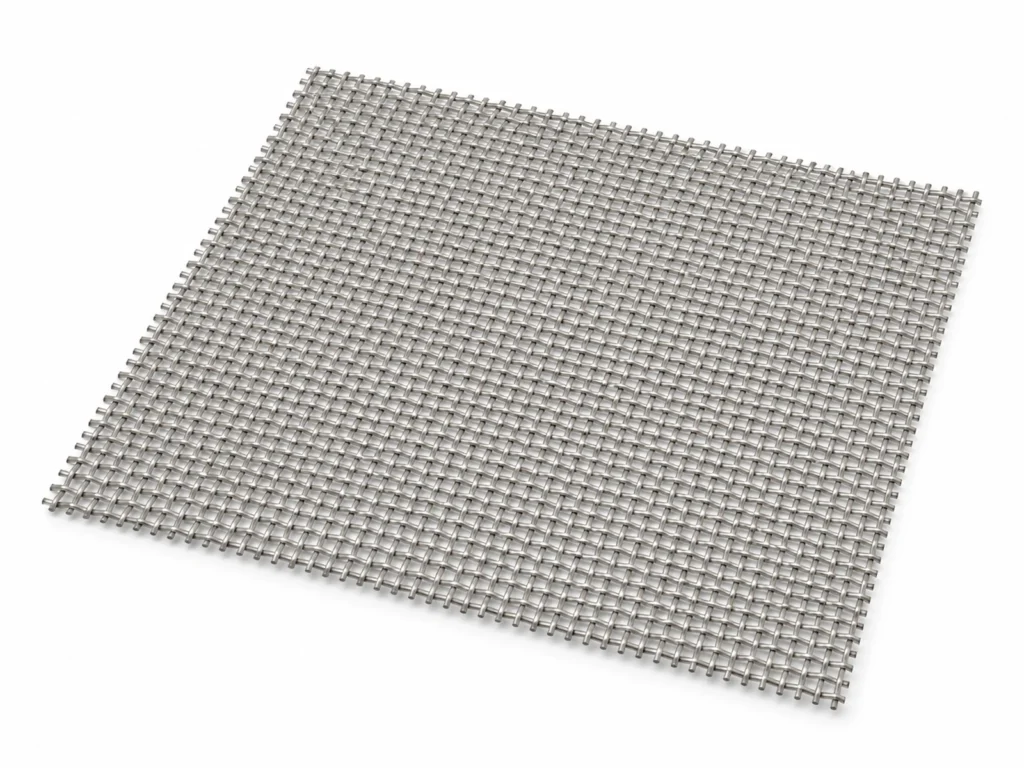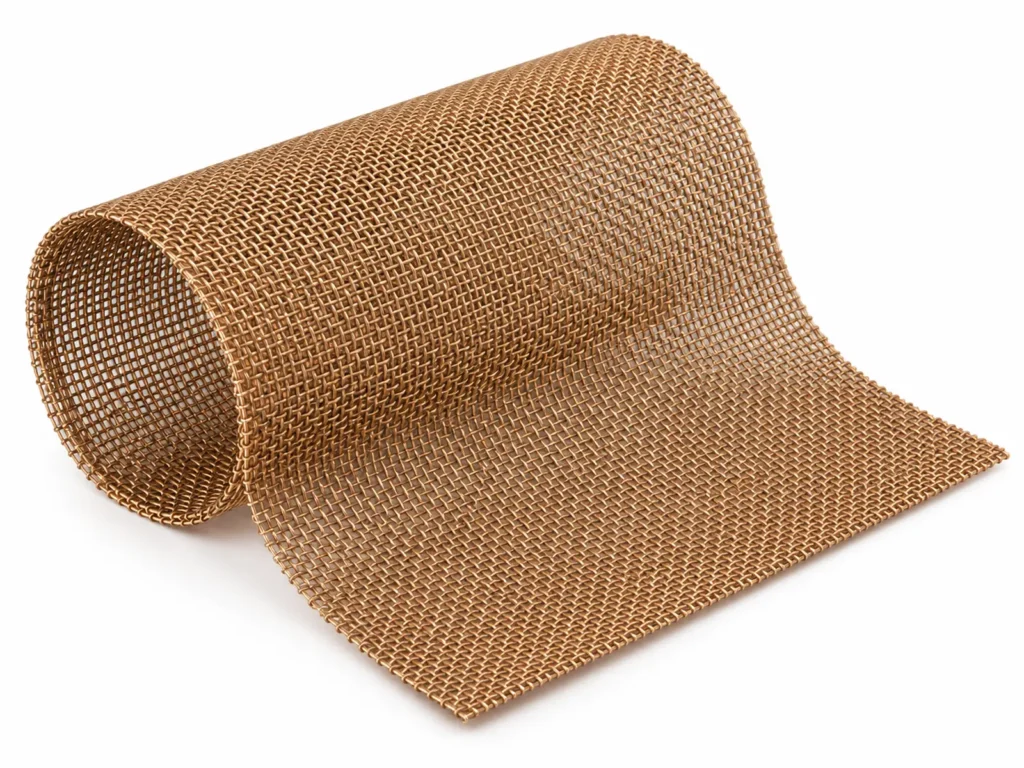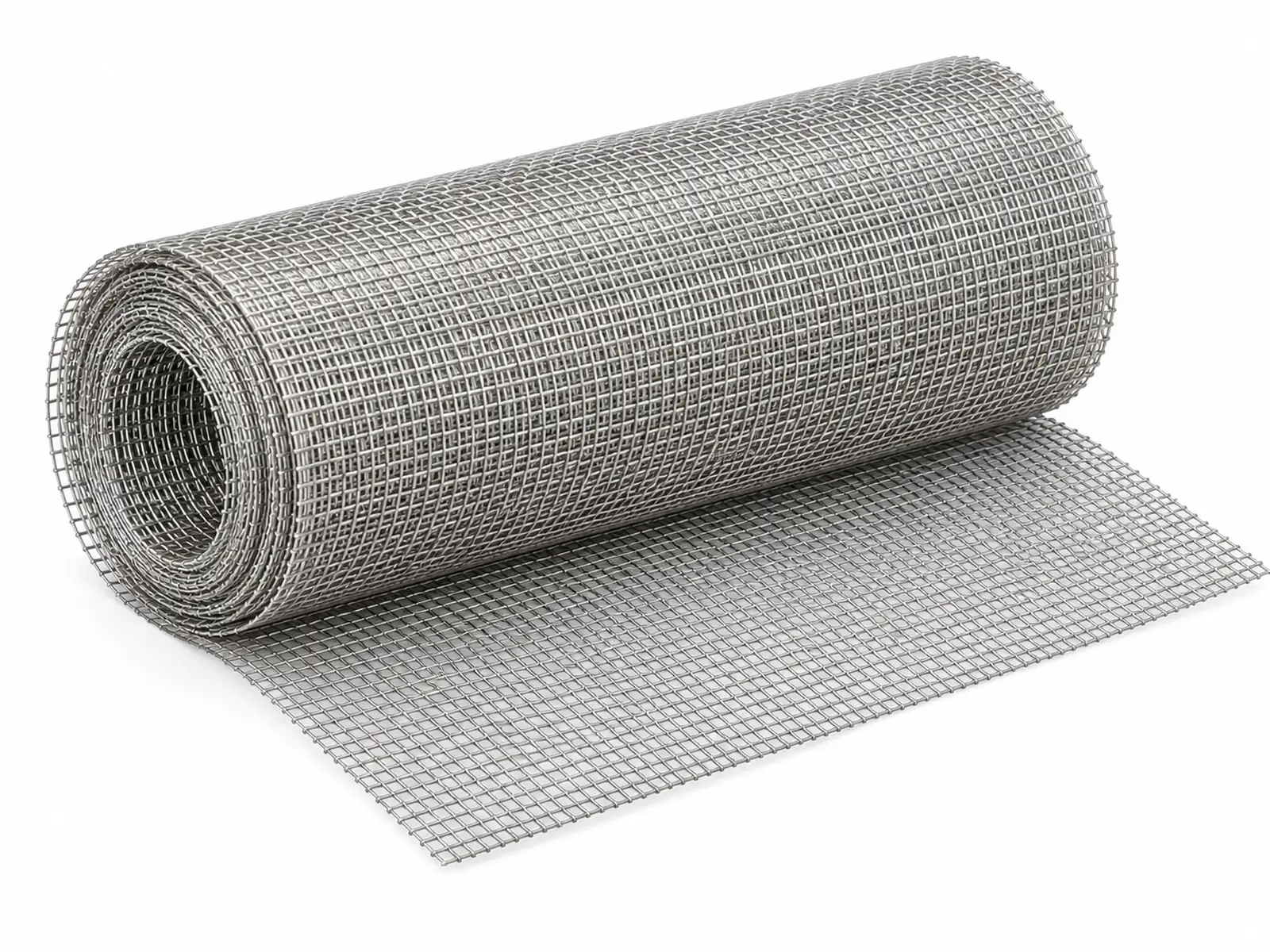
Aluminum Wire Mesh is selected when an assembly or process calls for screening, filtering and shielding where weight and cost matter more than strength, using woven aluminum cloth that is a third the weight of steel and does not rust. This application guide to the ASTM E2016 / ISO 9044 type covers concrete end-uses, the specification checklist, correct installation, and where an alternative mesh or filter medium performs better.
Typical Applications for Aluminum Wire Mesh
Where Aluminum Wire Mesh is specified and bought:
- HVAC & appliance filters: washable air-conditioner, hood and dehumidifier filter screens.
- Speaker & electronics: light speaker grilles and low-cost EMI shielding windows.
- Transportation: lightweight vents and grilles in RVs, trailers and buses.
- Architecture & signage: anodized aluminum mesh infill and light diffusers.
How to Specify Aluminum Wire Mesh for Your Application
- Alloy: 5052 for general filters; 5154/5056 for stiffer, more corrosion-resistant screens.
- Mesh & wire: 14–18 mesh for vents and grilles; 30–60 mesh for air-filter screens.
- Finish: Mill, anodized or powder-coated in black, silver or bronze.
- Standard: Quote ASTM E2016 / ISO 9044 and the size designation from the table on the product page, plus any value you changed in the technical drawing.
Handling & Installation Practice
- Frame or hem cut edges; aluminum wire is soft and frays if left raw.
- Isolate aluminum mesh from copper and brass parts in damp service to prevent galvanic corrosion.
Common Selection Mistakes with Aluminum Wire Mesh
- Using aluminum in caustic cleaners or high-pH washes, which dissolve it.
- Expecting aluminum mesh to resist impact or cutting like stainless steel.
Where Aluminum Wire Mesh Is Not the Right Choice
Not for high temperatures above about 200 °C, alkaline cleaning, or security duty — use stainless steel there.