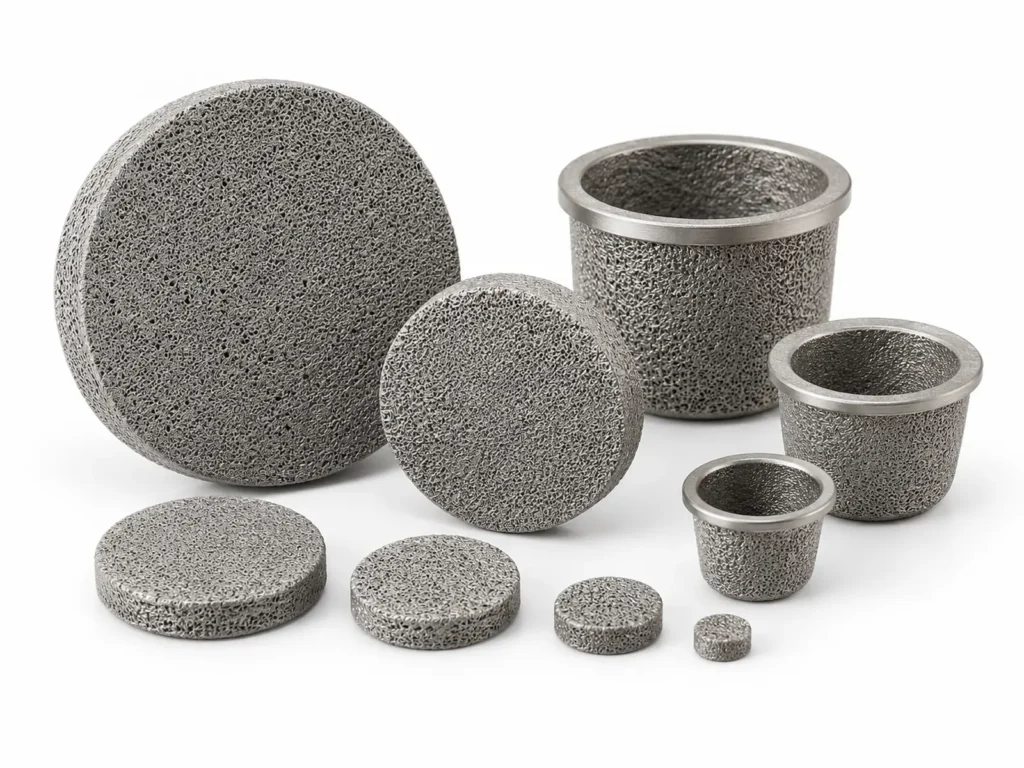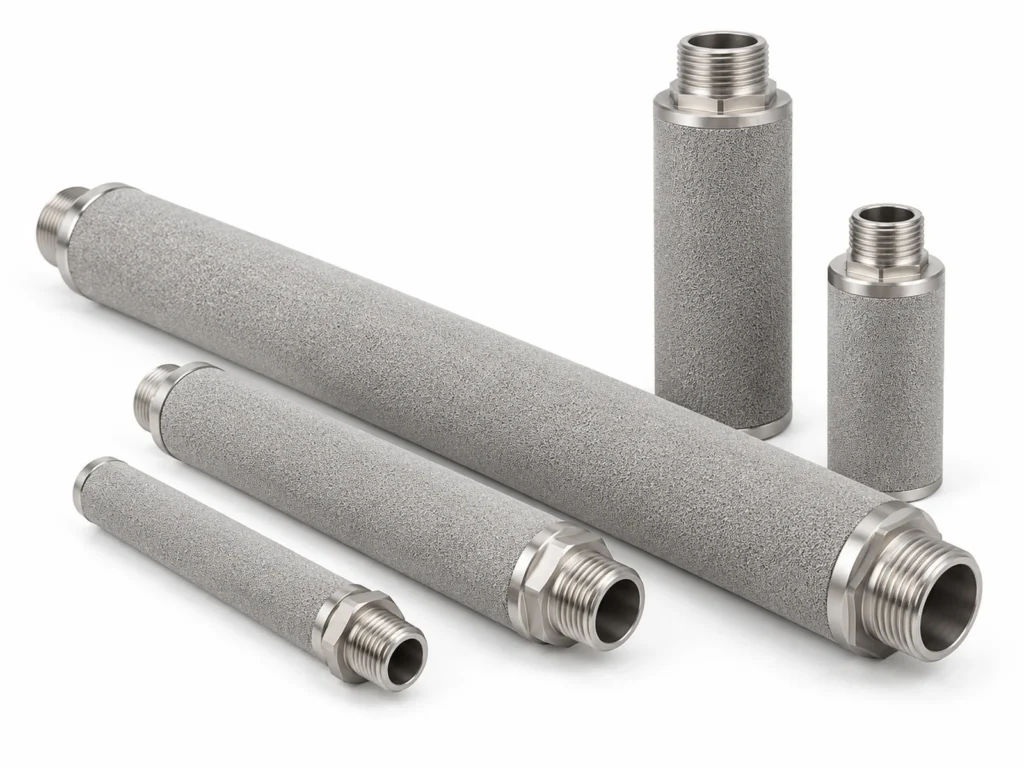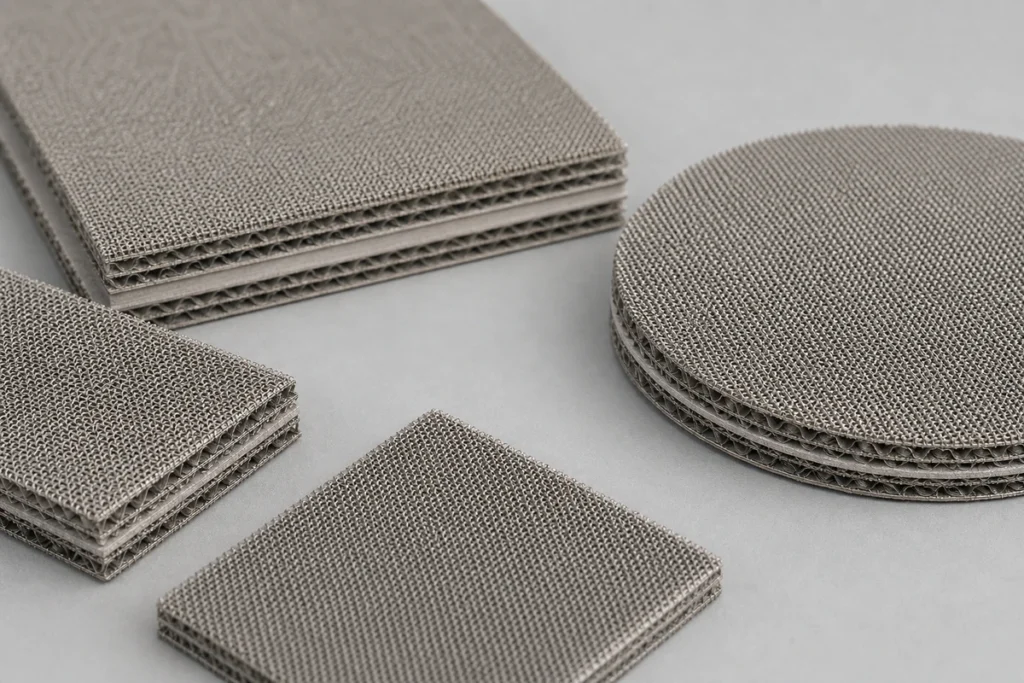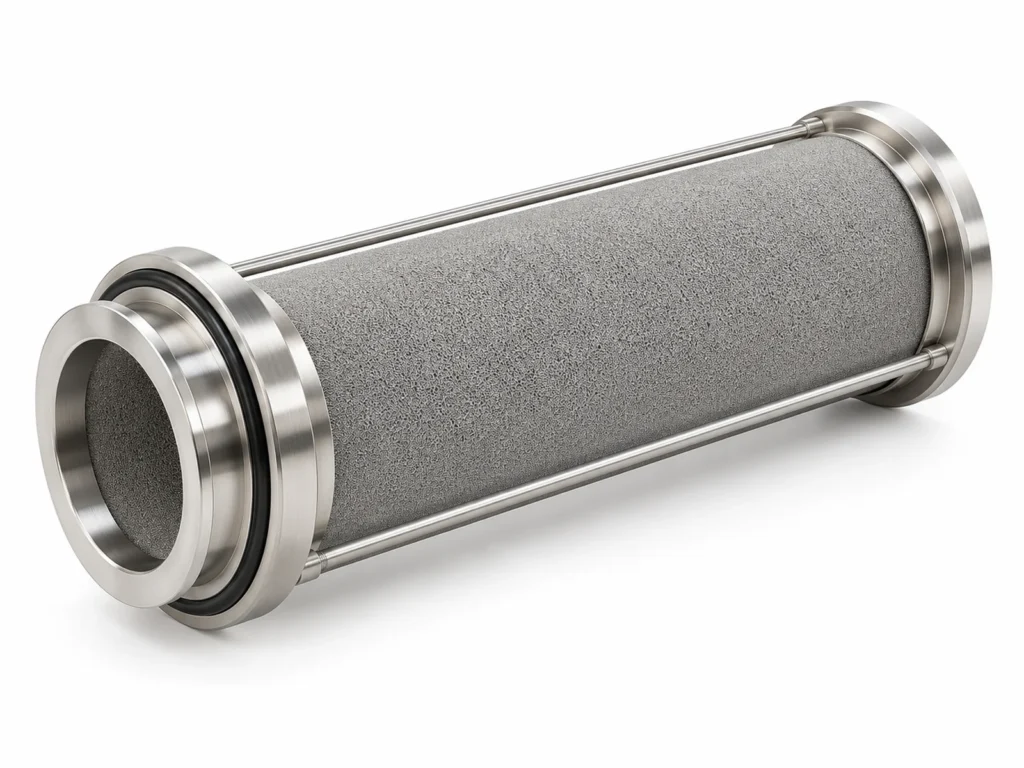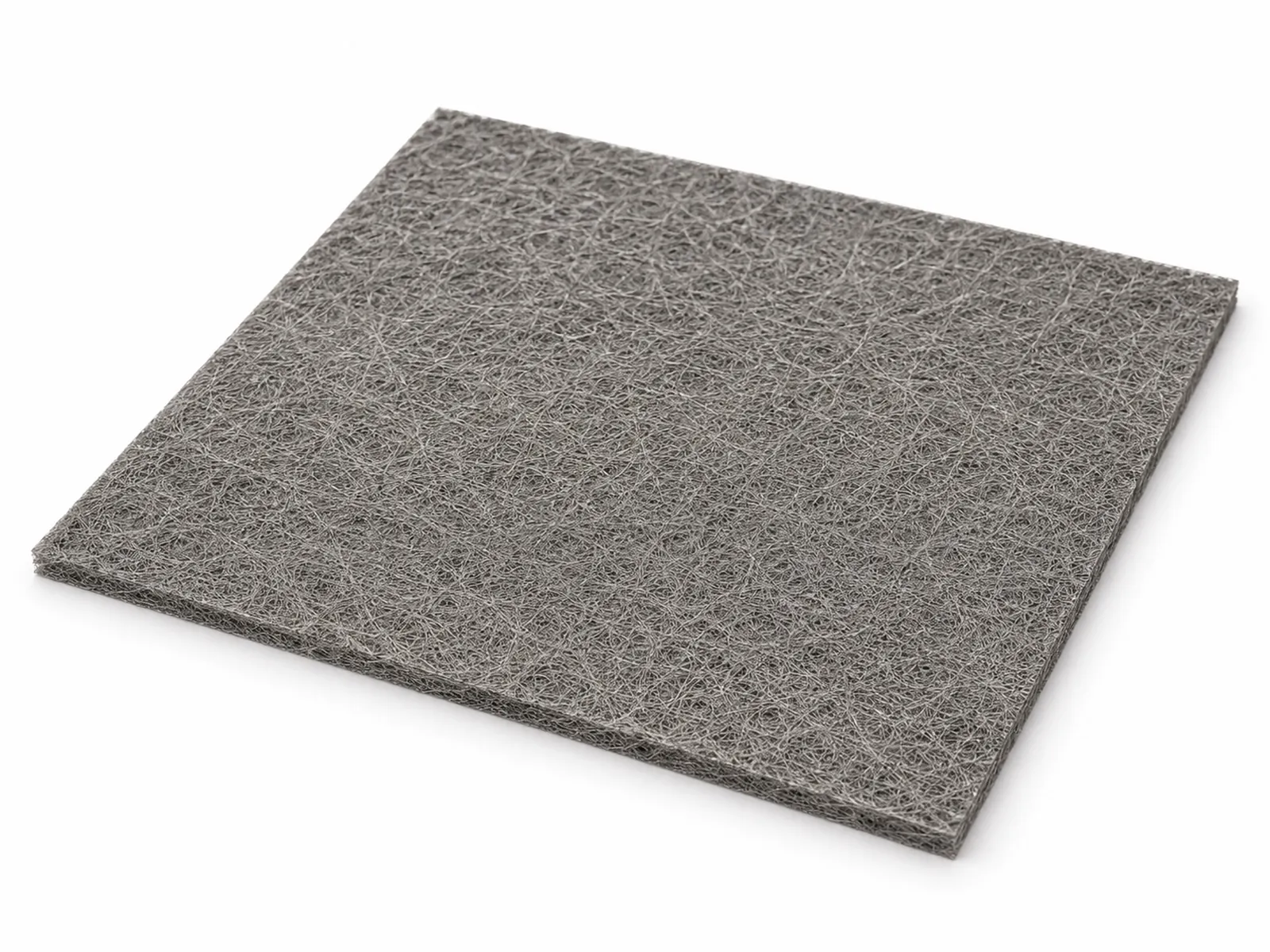
Application guide for Titanium Fiber Felt for PEM Electrolyzers to ISO 22734 electrolyzer stacks. The core duty of the type is acting as the porous transport layer in PEM water electrolyzers, where sintered titanium fiber felt carries water to the anode catalyst, lets oxygen escape and conducts current to the bipolar plate. The typical industries, the how-to-specify checklist, handling practice and the exclusion cases are set out below.
Typical Applications for Titanium Fiber Felt for PEM Electrolyzers
Where Titanium Fiber Felt for PEM Electrolyzers is specified and bought:
- PEM electrolyzer stack makers: anode-side porous transport layers (PTLs).
- Regenerative & unitized fuel cells: oxygen-side diffusion layers.
- Hydrogen R&D labs: single-cell test fixtures and short stacks.
- Electrochemical sensors & ozone generators: porous titanium electrodes.
How to Specify Titanium Fiber Felt for PEM Electrolyzers for Your Application
- Thickness & porosity: 0.25–1.0 mm at 60–70 % porosity; thinner felts lower ohmic loss, thicker felts spread current better.
- Coating: Platinum or iridium flash keeps titanium oxide from raising contact resistance over time.
- Tolerance & flatness: Tight thickness tolerance so the membrane is compressed evenly across the cell.
- Standard: Quote ISO 22734 electrolyzer stacks and the size designation from the table on the product page, plus any value you changed in the technical drawing.
Handling & Installation Practice
- Cut with clean, sharp tools in a clean area so metal burrs cannot pierce the membrane.
- Torque stack bolts in steps to compress the felt evenly.
Common Selection Mistakes with Titanium Fiber Felt for PEM Electrolyzers
- Using uncoated felt on the anode, which passivates and raises cell voltage over time.
- Uneven compression that leaves hot spots and membrane thinning.
Where Titanium Fiber Felt for PEM Electrolyzers Is Not the Right Choice
Not for alkaline electrolyzers, which use nickel mesh or foam instead of titanium.