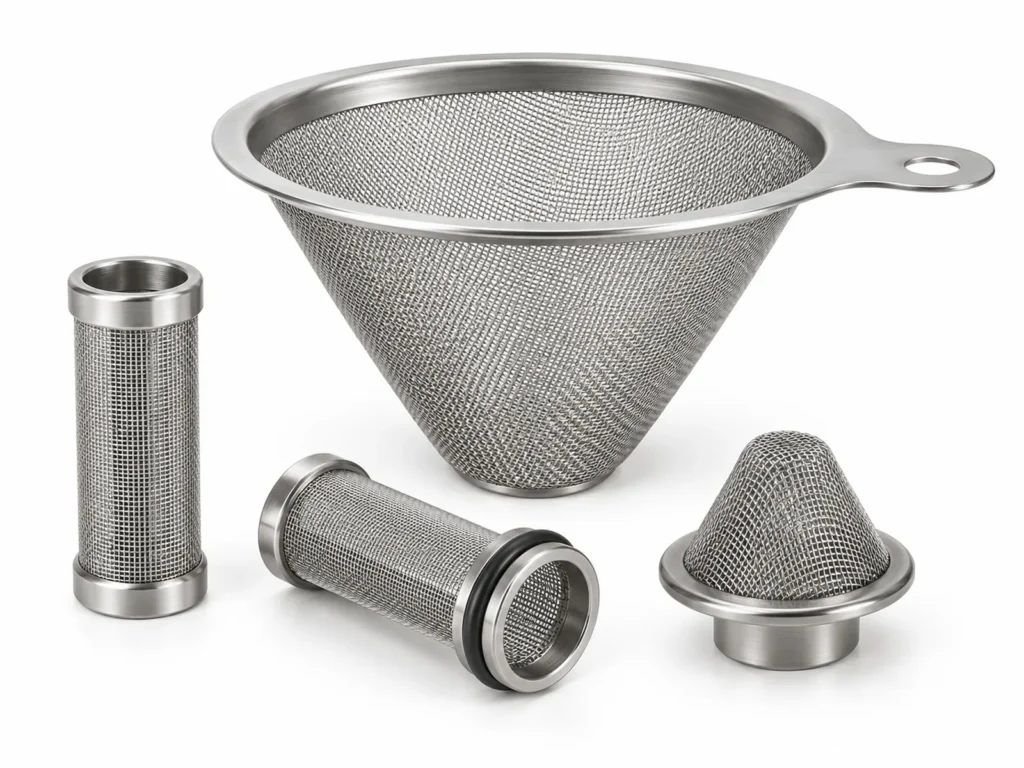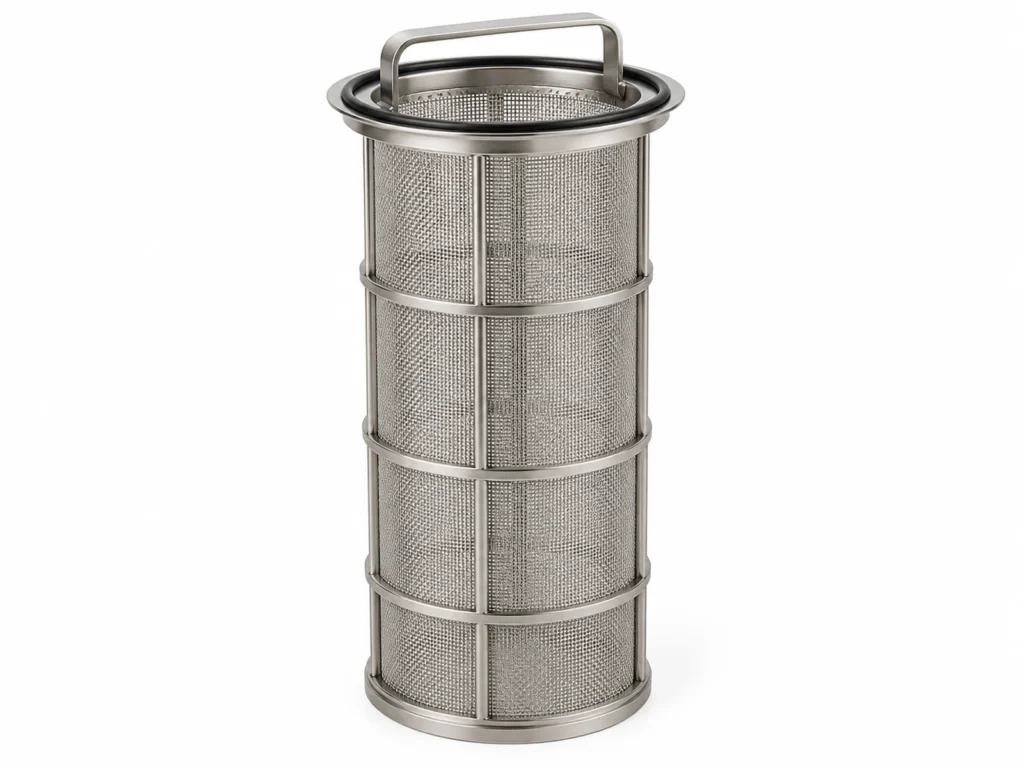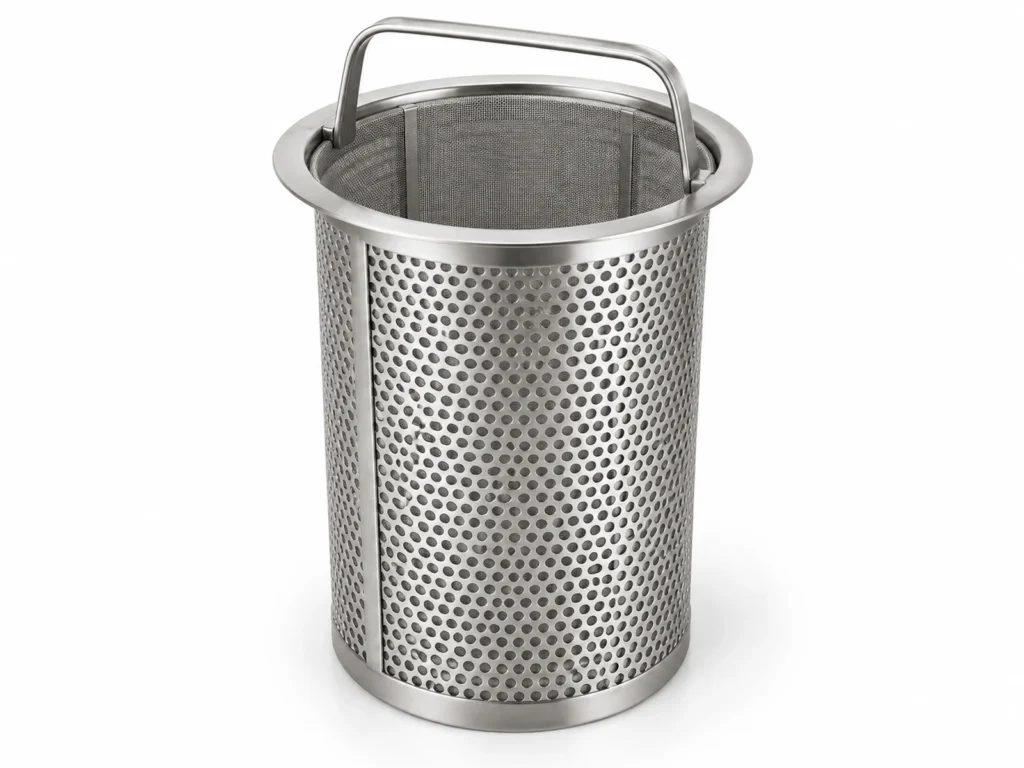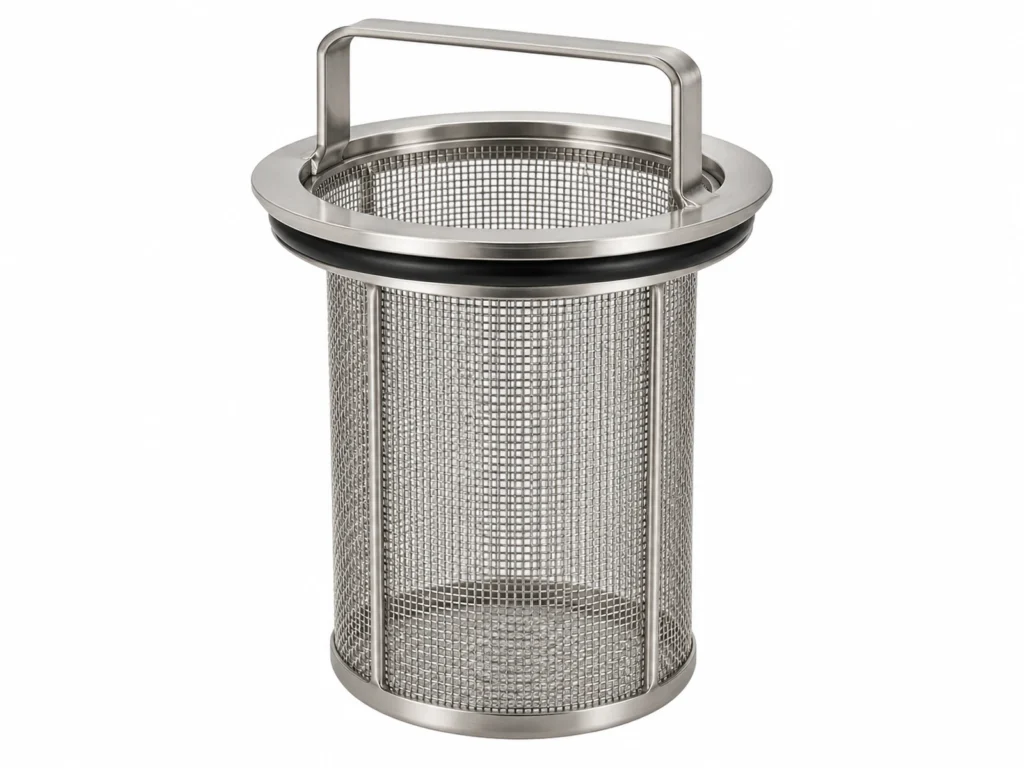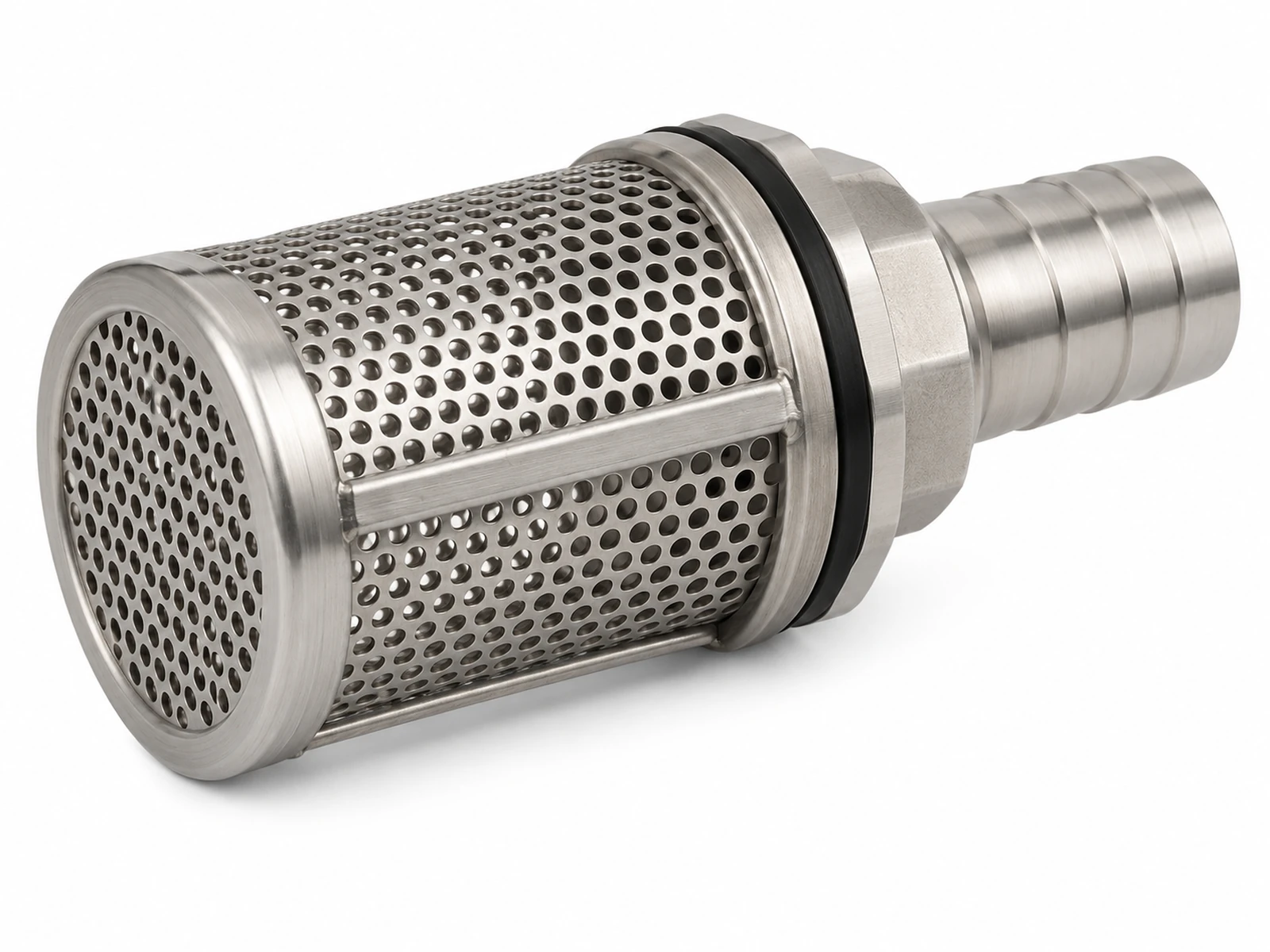
Pump Foot Valve & Suction Strainer is selected when an assembly or process calls for keeping stones, leaves and debris out of pump suction lines at the inlet end, often combined with a foot valve that holds the prime. This application guide to the ASME B1.20.1 thread sizes type covers concrete end-uses, the specification checklist, correct installation, and where an alternative mesh or filter medium performs better.
Typical Applications for Pump Foot Valve & Suction Strainer
Where Pump Foot Valve & Suction Strainer is specified and bought:
- Irrigation & agriculture: pond, river and tank suction.
- Fire & dewatering pumps: suction strainers.
- Wells: foot valve strainers.
- Marine & industrial: tank suction lines.
How to Specify Pump Foot Valve & Suction Strainer for Your Application
- Pipe size: 1–4 in thread or flange.
- Open area: At least 3× the pipe area to avoid cavitation.
- Holes: 4–6 mm perforation to stop stones and debris.
- Standard: Quote ASME B1.20.1 thread sizes and the size designation from the table on the product page, plus any value you changed in the technical drawing.
Handling & Installation Practice
- Keep the strainer above the bottom silt and below the lowest water level.
- Inspect regularly for blockage and weed wrap.
Common Selection Mistakes with Pump Foot Valve & Suction Strainer
- Undersized strainer causing cavitation.
- Lying the strainer in mud.
Where Pump Foot Valve & Suction Strainer Is Not the Right Choice
Not a fine filter for drip systems.