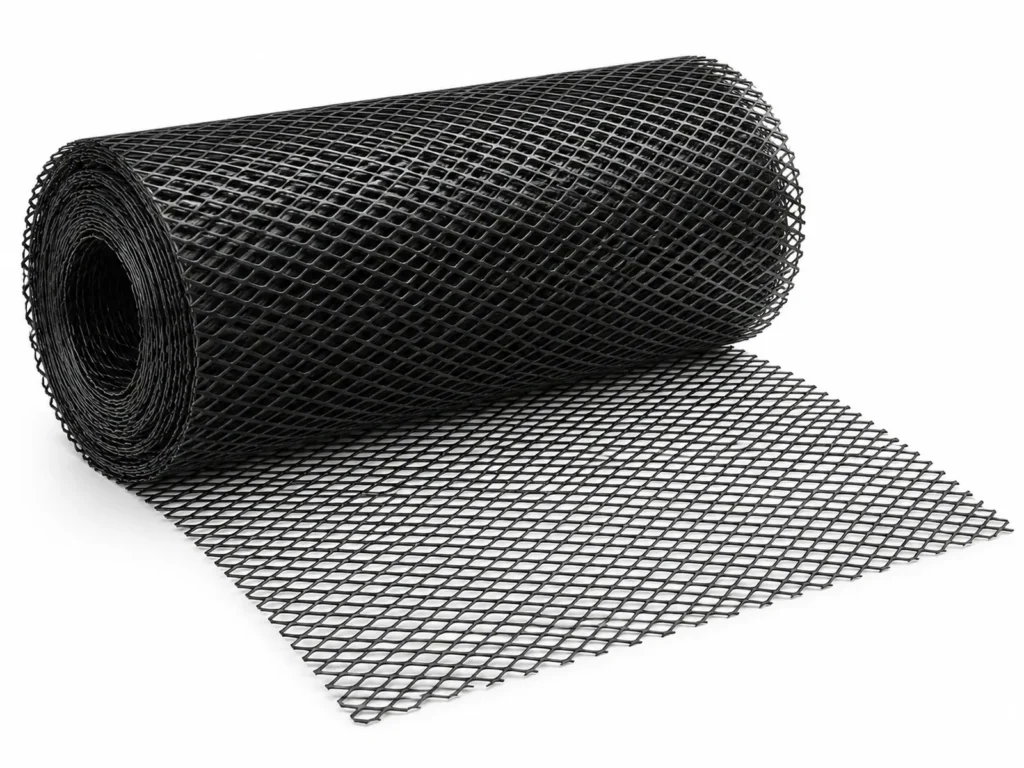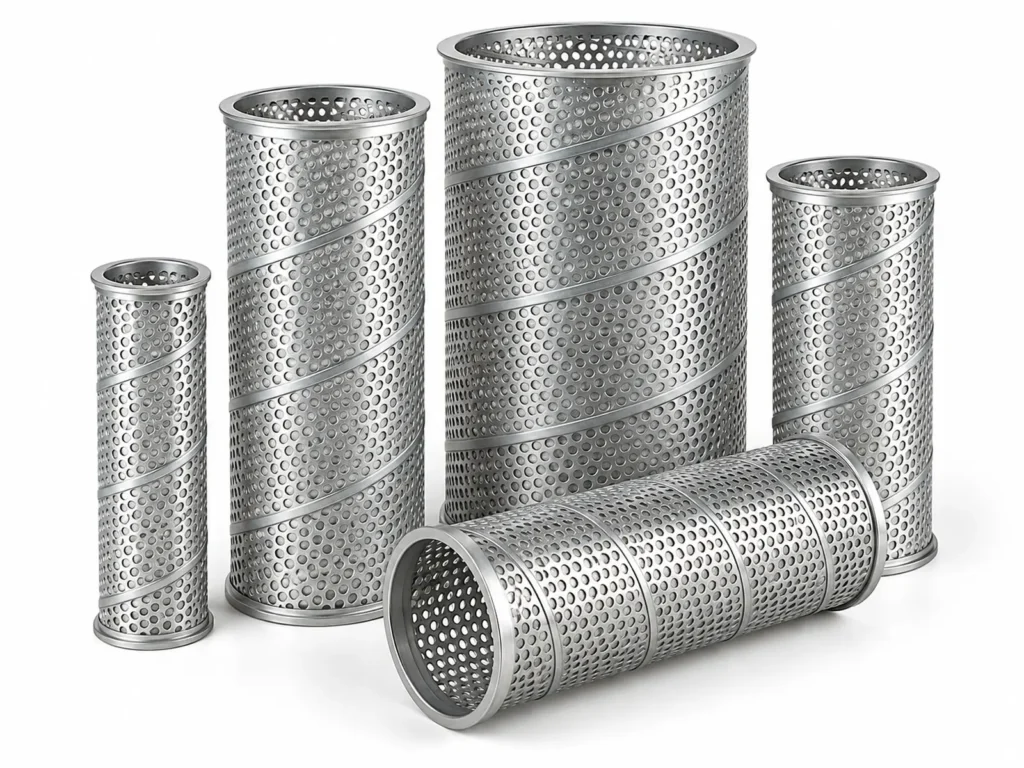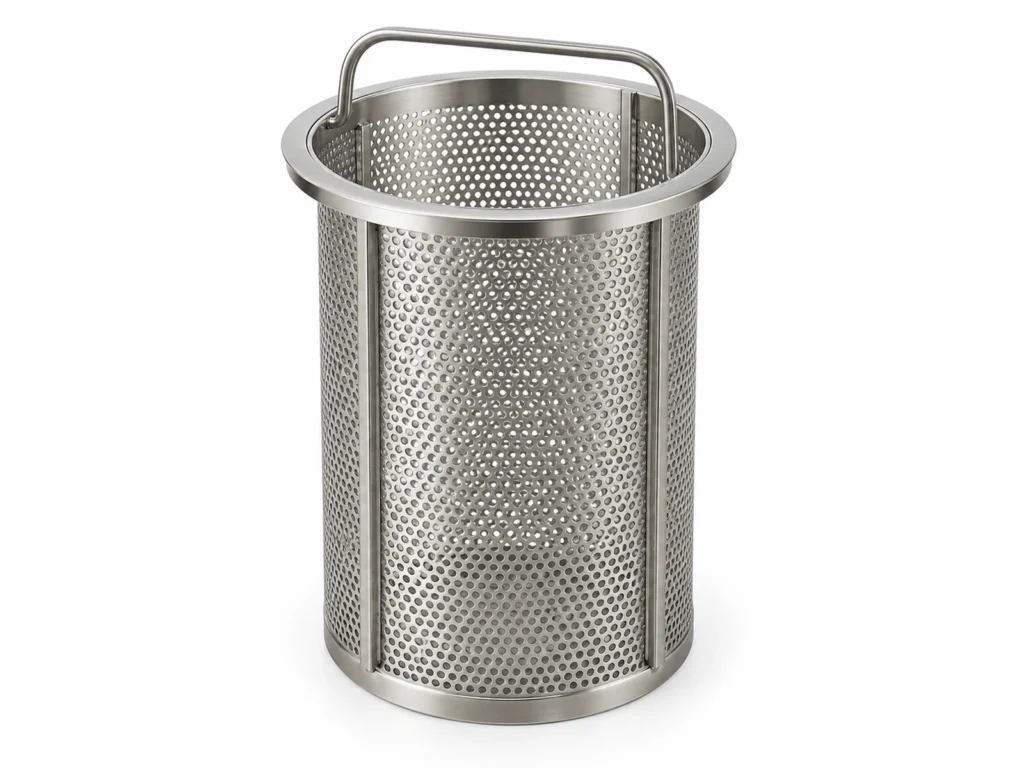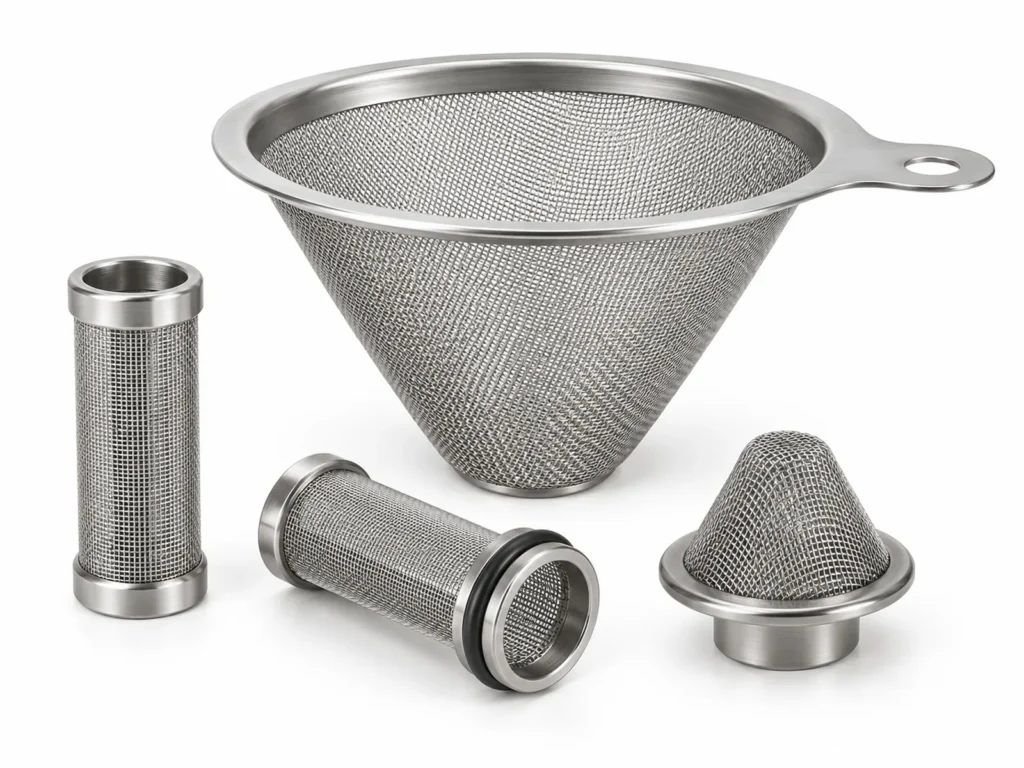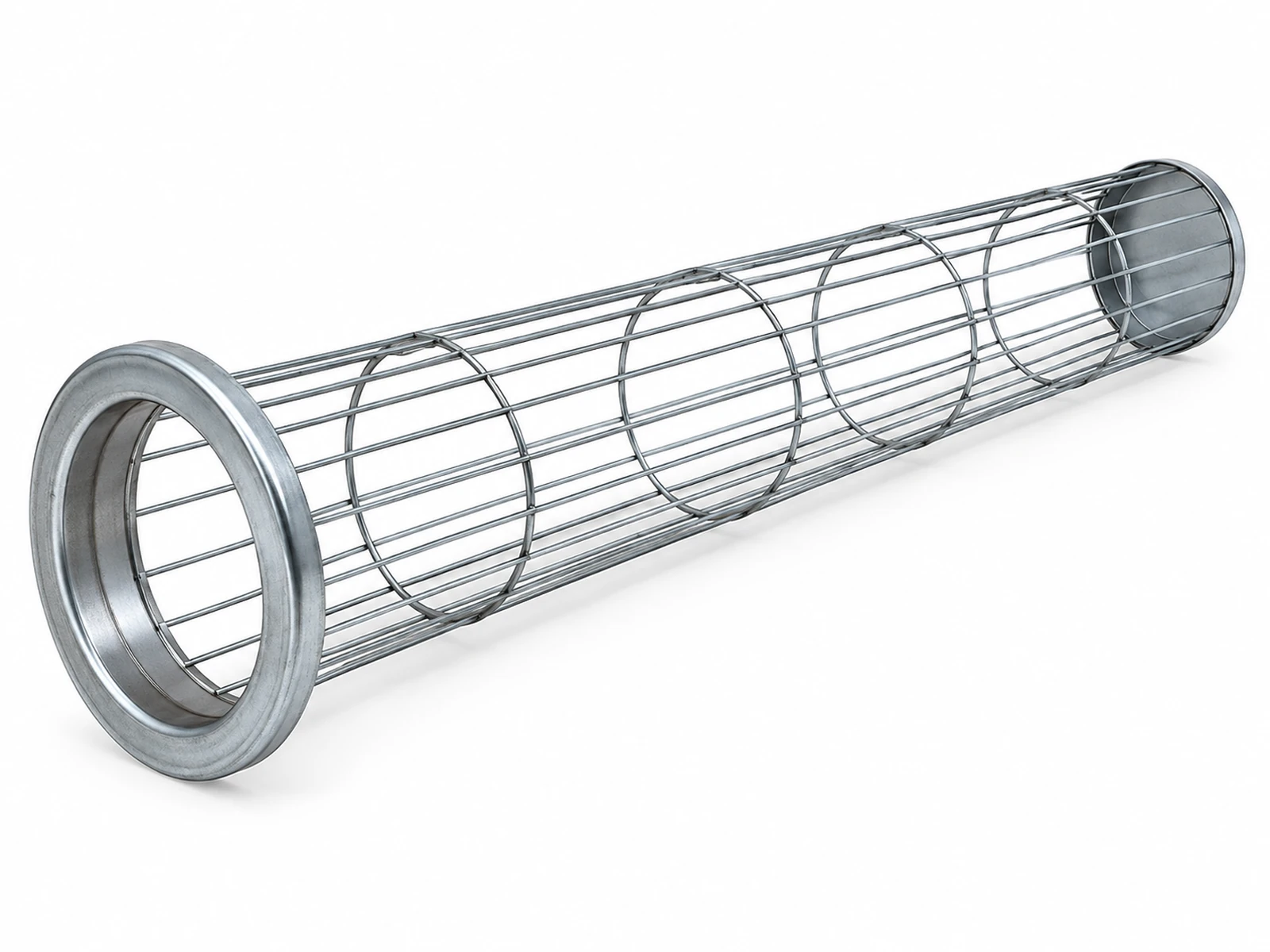
The primary duty of Filter Bag Cage is holding filter bags open in pulse-jet baghouse dust collectors with welded wire cages of vertical wires and support rings. Below: the sectors that specify it in volume, the checklist used to select the right mesh and alloy for the application, handling notes, and the known limits of the type.
Typical Applications for Filter Bag Cage
Where Filter Bag Cage is specified and bought:
- Cement & minerals: kiln and mill baghouses.
- Power & steel: boiler and furnace dust collectors.
- Woodworking & grain: dust collection systems.
- Chemicals & pharma: product recovery filters.
How to Specify Filter Bag Cage for Your Application
- Diameter & length: Match the bag; long cages split into sections with joints.
- Wire count & ring spacing: More wires and closer rings support the bag and extend its life.
- Finish: Galvanized, silicone- or epoxy-coated, or stainless for corrosive or hot gas.
- Standard: Quote Custom to baghouse drawing and the size designation from the table on the product page, plus any value you changed in the technical drawing.
Handling & Installation Practice
- Inspect cages for burrs and bent wires before fitting new bags — damage cuts bags quickly.
- Fit venturis and cage tops squarely so the pulse cleans evenly.
Common Selection Mistakes with Filter Bag Cage
- Re-using corroded cages with new bags.
- Too few vertical wires for pleated or light bags.
Where Filter Bag Cage Is Not the Right Choice
Not for cartridge collectors, which use cartridge support cores.