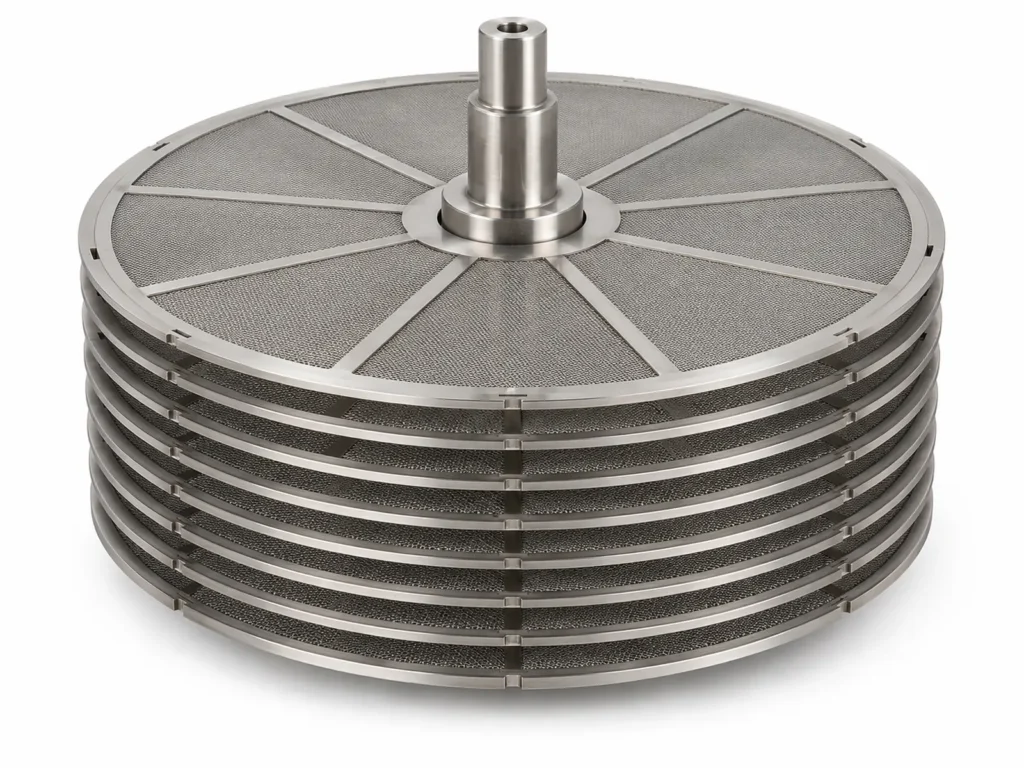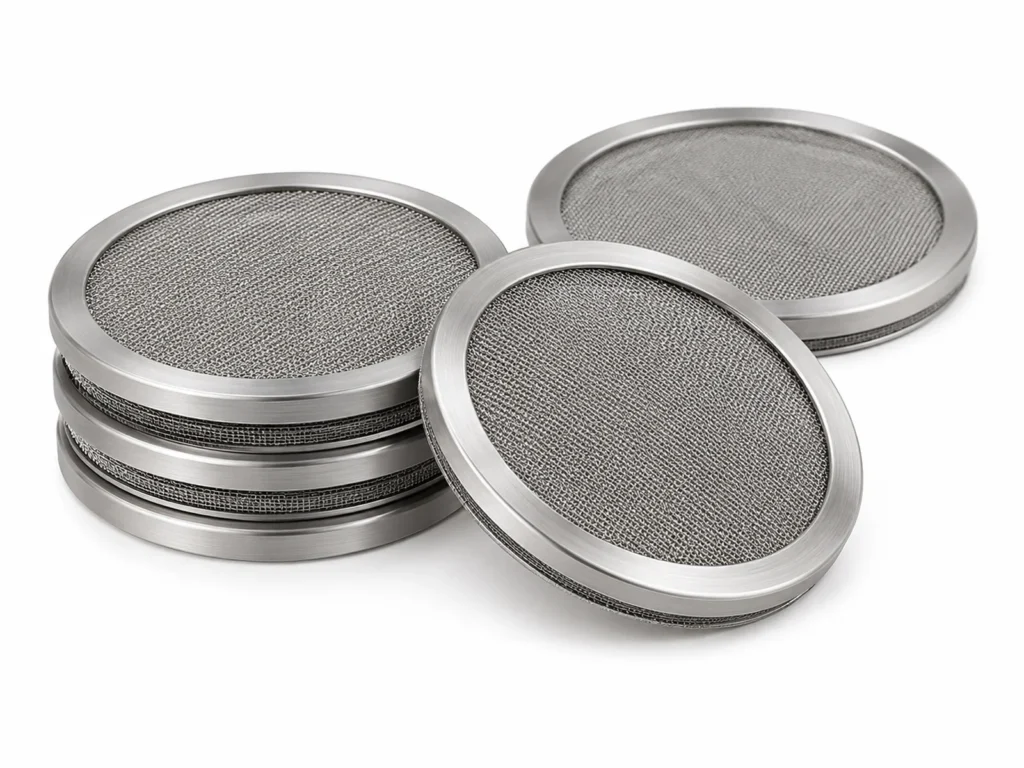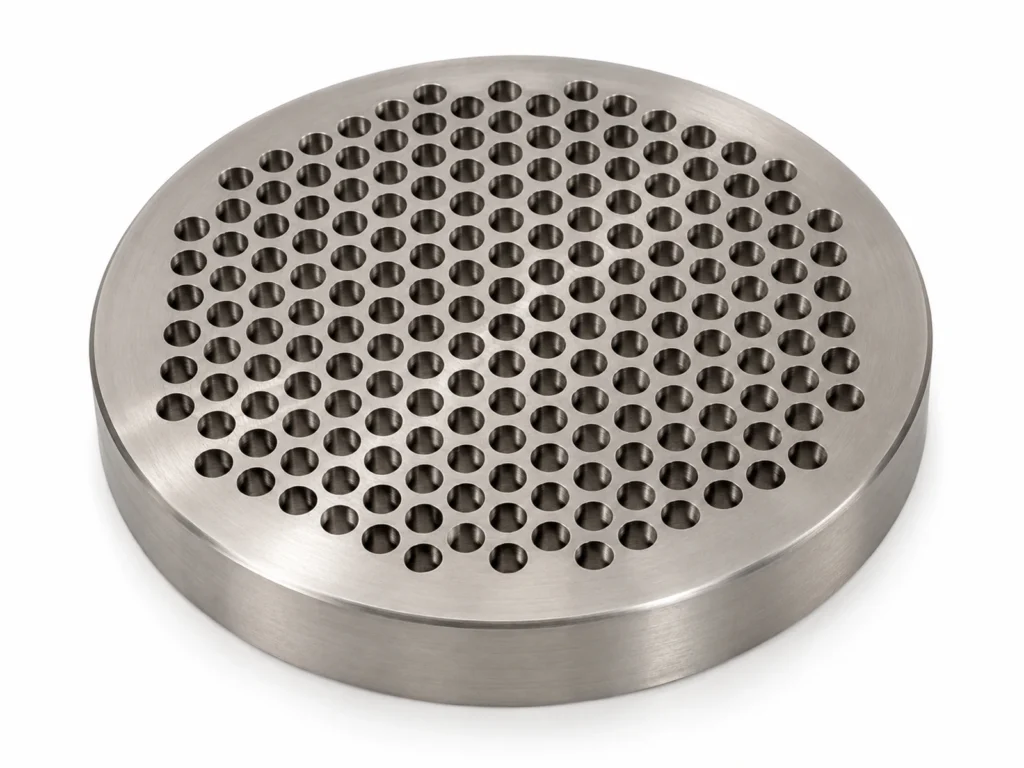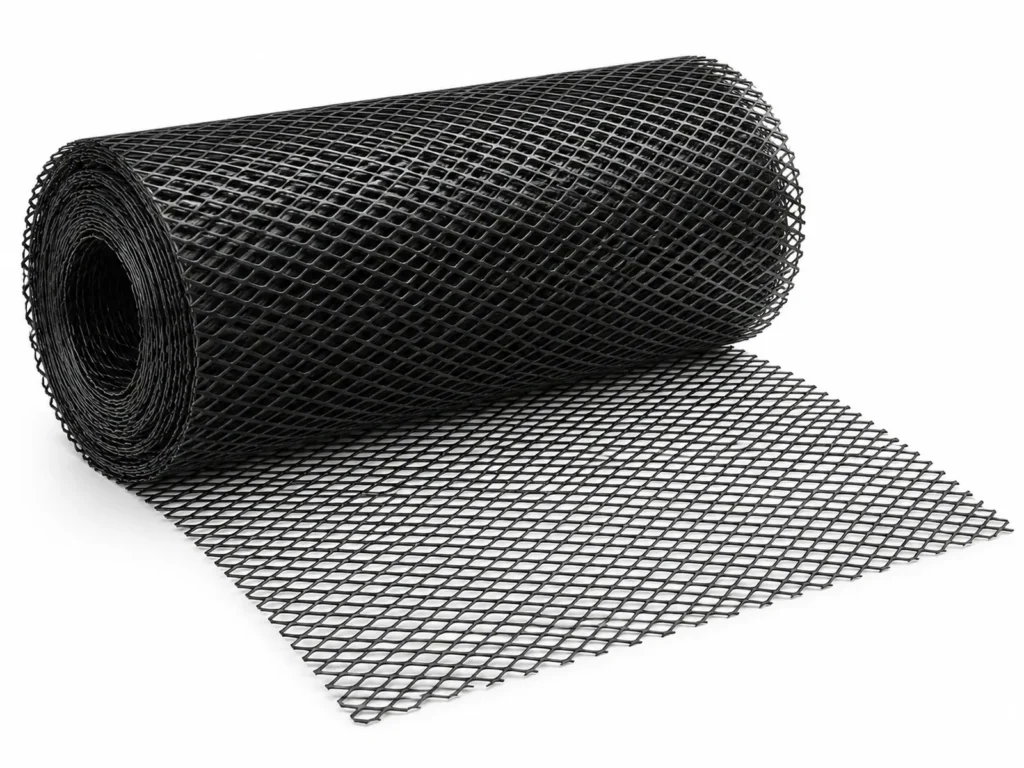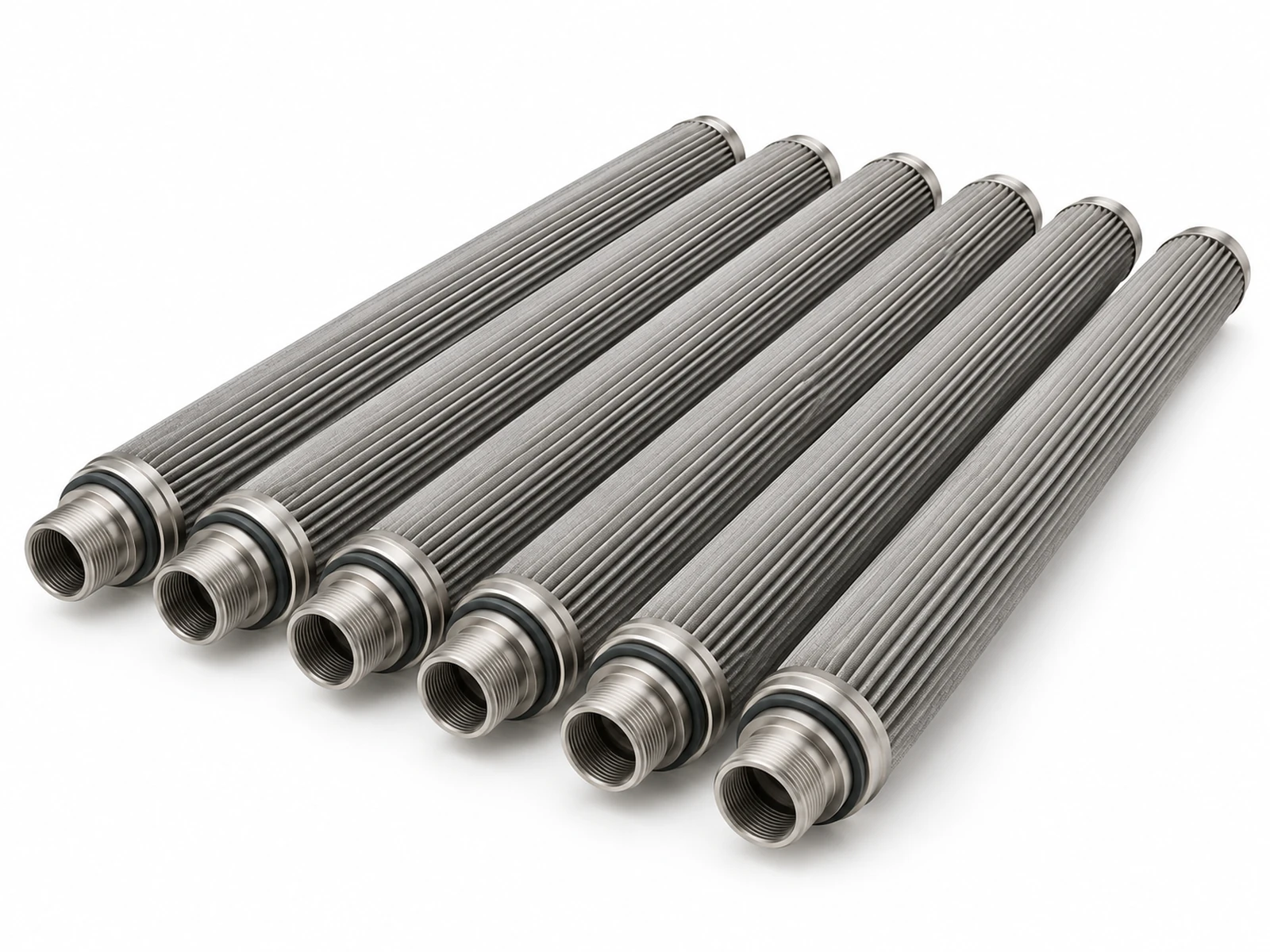
The primary duty of Polymer Melt Candle Filter is filtering polymer melt in continuous polymerization and large extrusion lines with long pleated candles of stainless fiber felt or sintered mesh, hung in a multi-candle housing. Below: the sectors that specify it in volume, the checklist used to select the right mesh and alloy for the application, handling notes, and the known limits of the type.
Typical Applications for Polymer Melt Candle Filter
Where Polymer Melt Candle Filter is specified and bought:
- Polyester & nylon polymerization: final melt filters before pelletizing or spinning.
- Film lines: large BOPET and BOPP melt filters.
- Recycling: high-capacity rPET and polyolefin melt filtration.
- Adhesives & resins: hot-melt and resin filtration.
How to Specify Polymer Melt Candle Filter for Your Application
- Size & connection: Diameter, length and the thread, flat seat or flange the housing uses.
- Micron rating: 5–60 µm; finer ratings raise pressure and residence time.
- Media & pleat: Fiber felt for dirt capacity, sintered mesh for strength.
- Standard: Quote Custom to filter housing and the size designation from the table on the product page, plus any value you changed in the technical drawing.
Handling & Installation Practice
- Clean by vacuum pyrolysis, hydrolysis or solvent, then ultrasonics and bubble-point testing.
- Torque candle threads to the housing maker's values to avoid leaks at the seat.
Common Selection Mistakes with Polymer Melt Candle Filter
- Re-installing candles without an integrity test after cleaning.
- Mixing candles of different ratings in one housing.
Where Polymer Melt Candle Filter Is Not the Right Choice
Not for small extruders, where screen packs or a screen changer are simpler and cheaper.