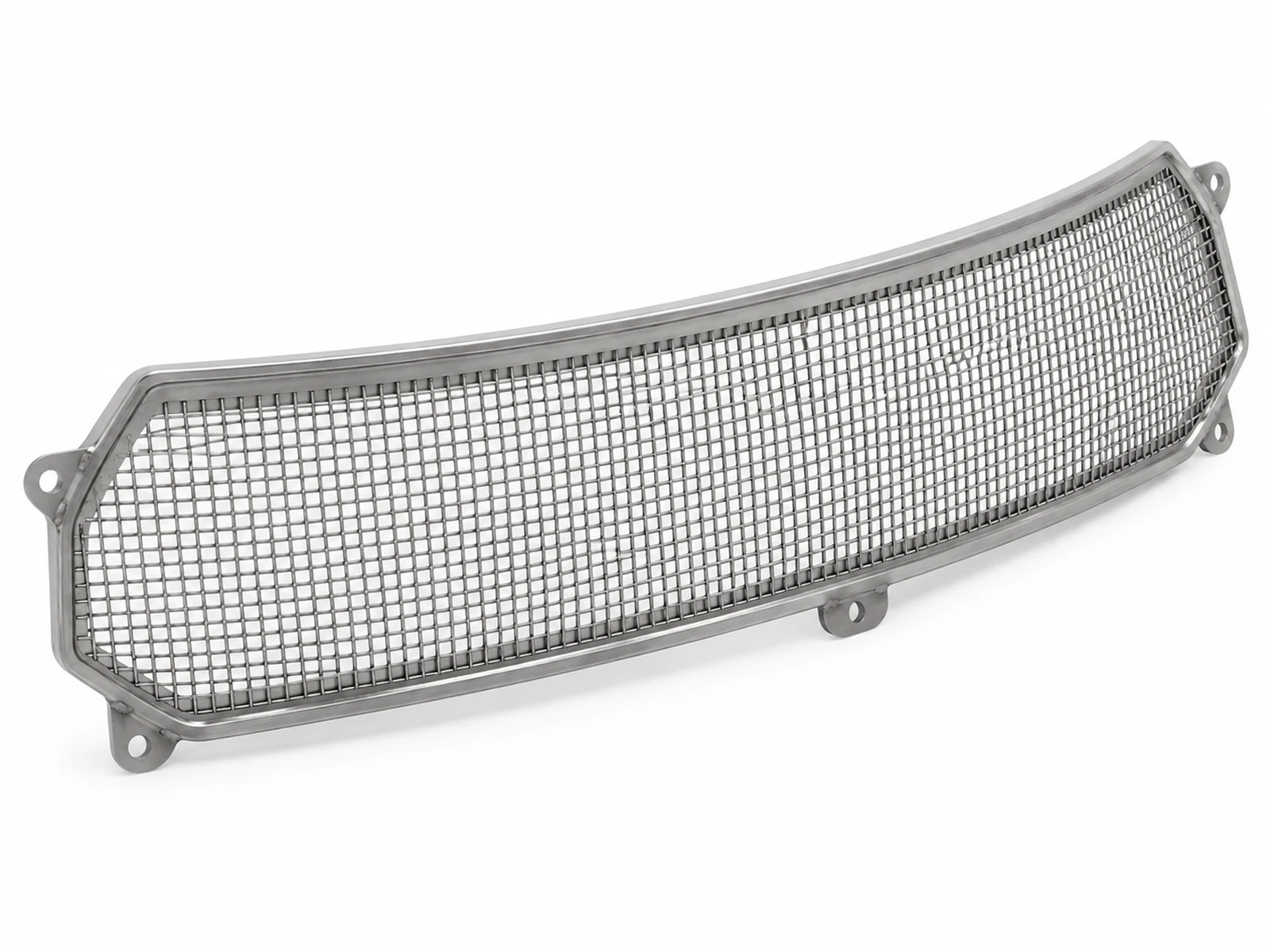
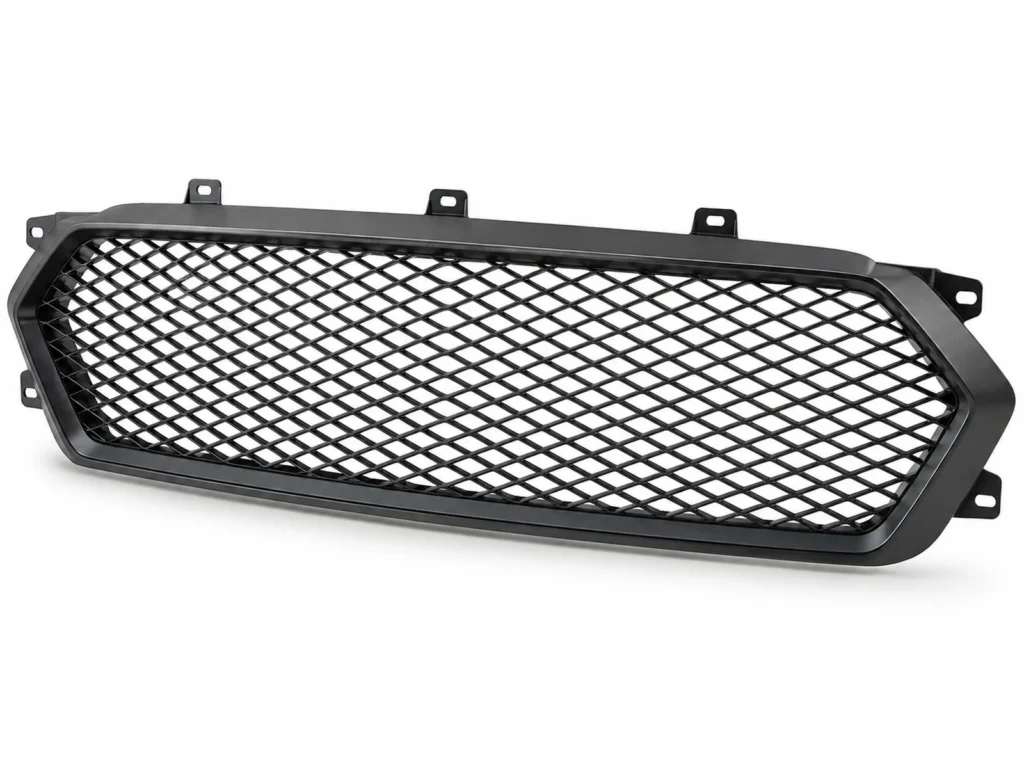
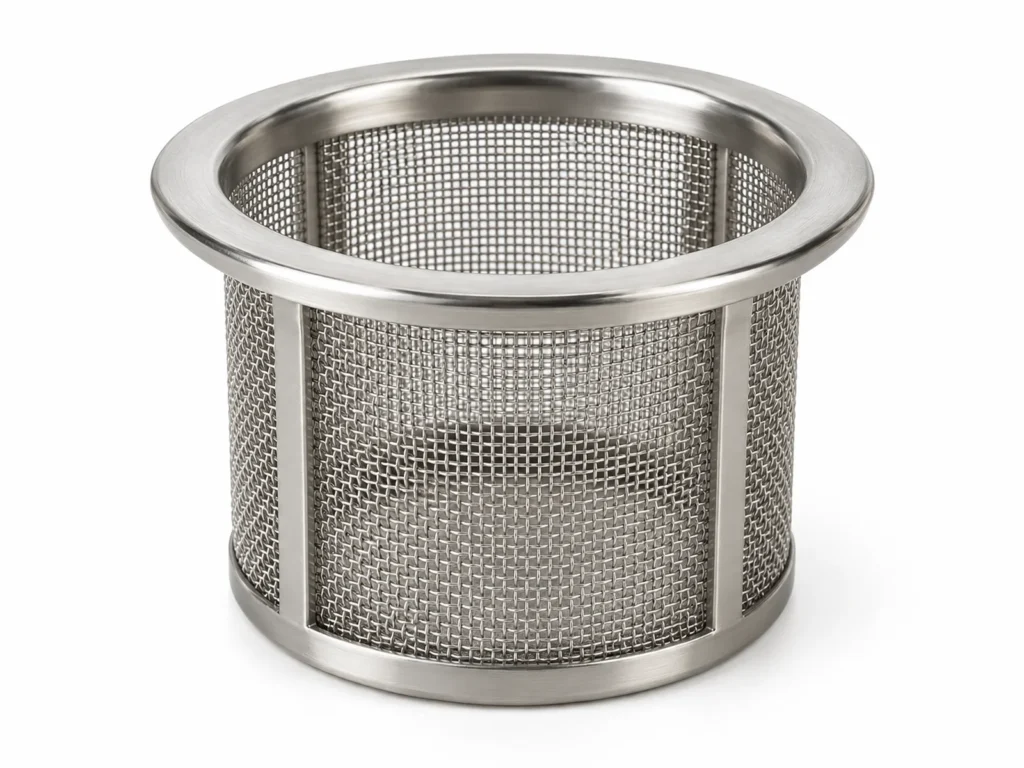
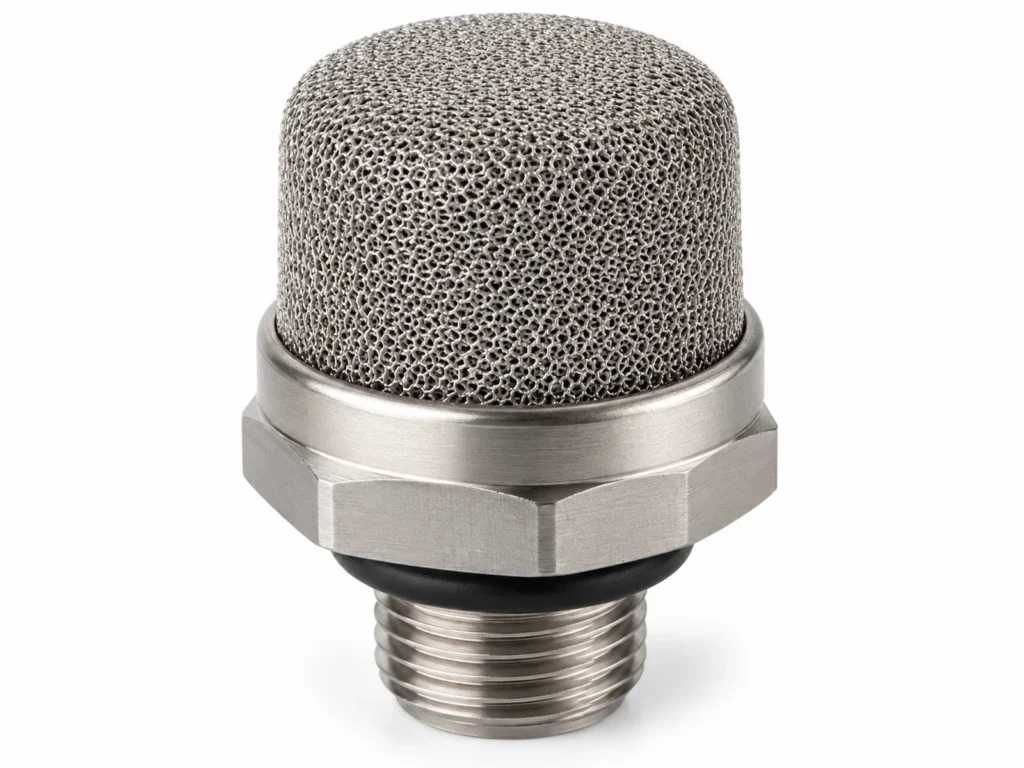
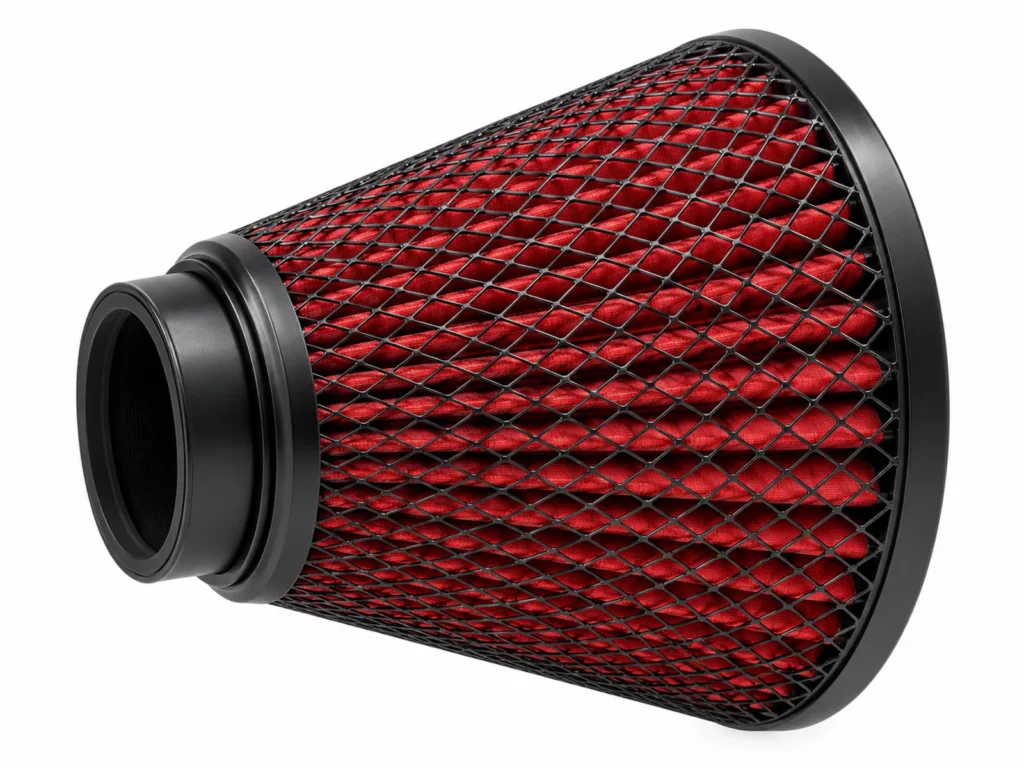
Engine Bay Rodent Guard Mesh in 304 Stainless Steel (AISI 304 (1.4301)) is used for closing the openings rodents use to get into engine bays, air boxes and cabin-filter housings, where they nest and chew soy-based wiring insulation. The alloy gives good general corrosion resistance in atmosphere and fresh water and is essentially non-magnetic (annealed), with a practical service limit of approx. +450 °C continuous.
Alloy Properties
| Grade designation | AISI 304 (1.4301) |
|---|
| Magnetic response | Essentially non-magnetic (annealed) |
|---|
| Service temperature | approx. +450 °C continuous |
|---|
| Corrosion characteristic | Good general corrosion resistance in atmosphere and fresh water |
|---|
Specifications of Engine Bay Rodent Guard Mesh Available in 304 Stainless Steel
| Opening (mm) | Wire diameter (mm) | Open area (%) | Roll width (mm) | Material |
|---|
| 6.4 | 0.64 | 82 | 600 | SS304 |
| 3.2 | 0.56 | 72 | 600 | SS304 |
| 12.7 | 1.00 | 86 | 900 | Galvanized, PVC coated |
Where 304 Stainless Steel Engine Bay Rodent Guard Mesh Is Used
- Car owners in rural & suburban areas: DIY guards over cowl and air-intake openings.
- Fleet & rental operators: protecting vehicles parked for weeks at a time.
- Agricultural machinery dealers: guards for combines and tractors stored in barns.
- RV & classic-car storage: winter-storage protection of intakes and vents.
Ordering Engine Bay Rodent Guard Mesh in 304 Stainless Steel
- Opening size: 6.4 mm (1/4 in) stops rats and most mice; 3.2 mm for juvenile mice.
- Wire & alloy: SS304 welded mesh at 0.56–0.64 mm wire resists chewing; plastic or aluminum screen does not.
- Heat clearance: Keep PVC-coated mesh at least 100 mm from exhaust manifolds and turbochargers.
Mistakes to Avoid with Engine Bay Rodent Guard Mesh
- Covering the cabin air intake with a mesh so fine that it restricts HVAC airflow.
- Leaving the gap around the firewall grommets open, which is the route rodents take most often.