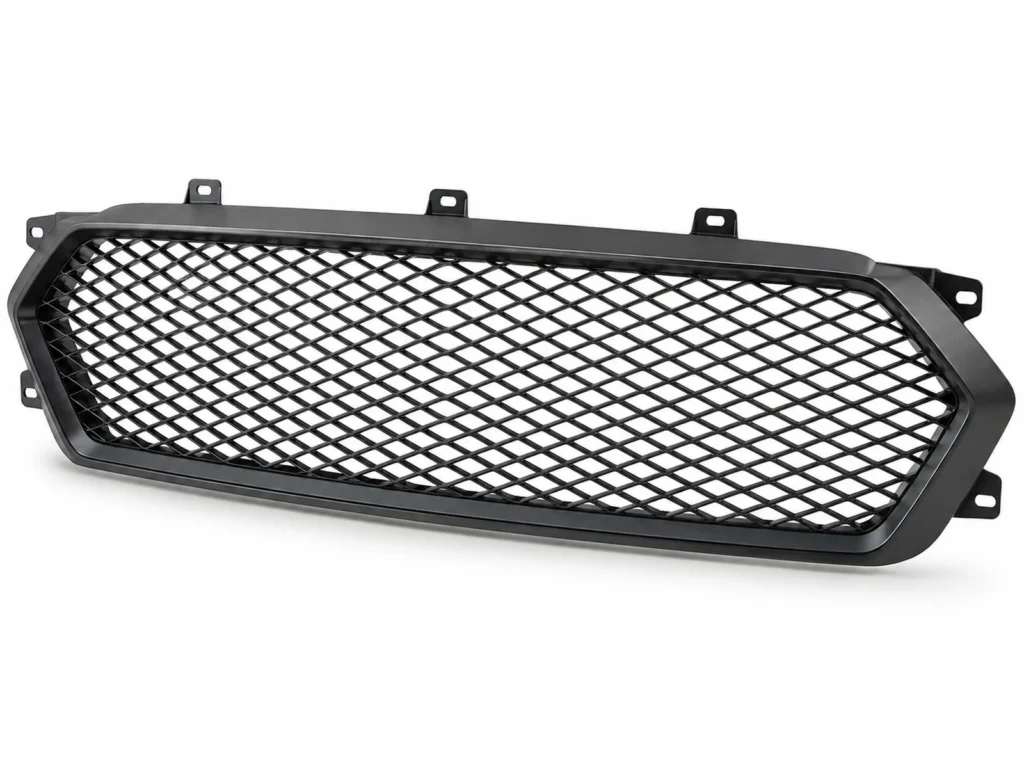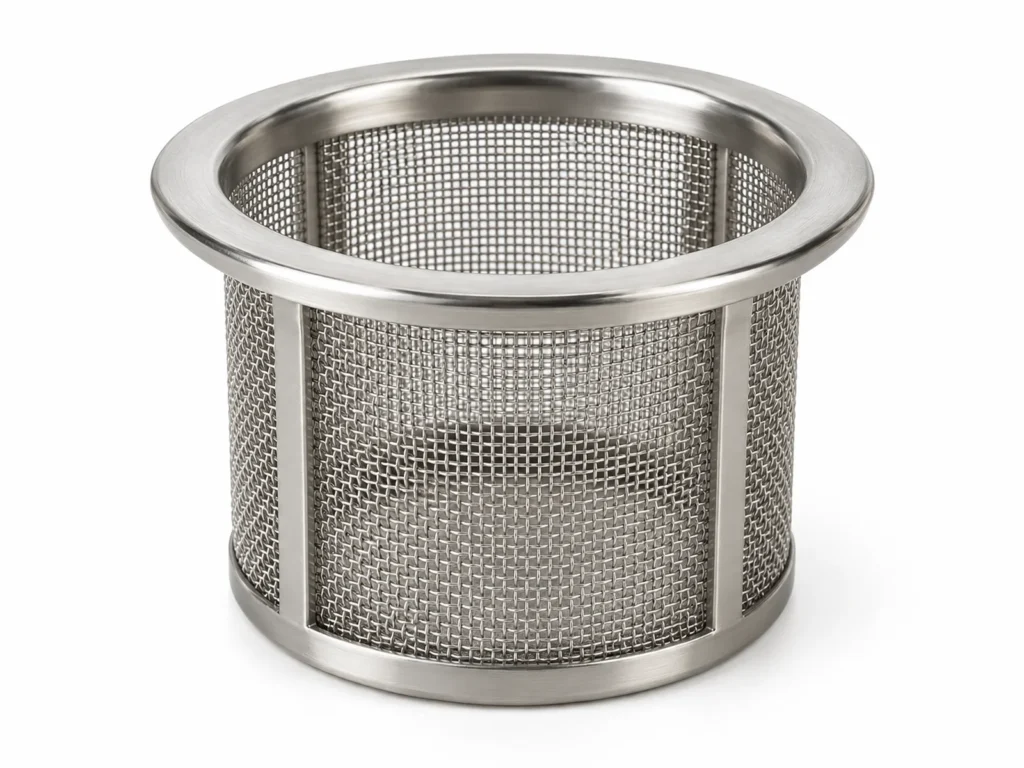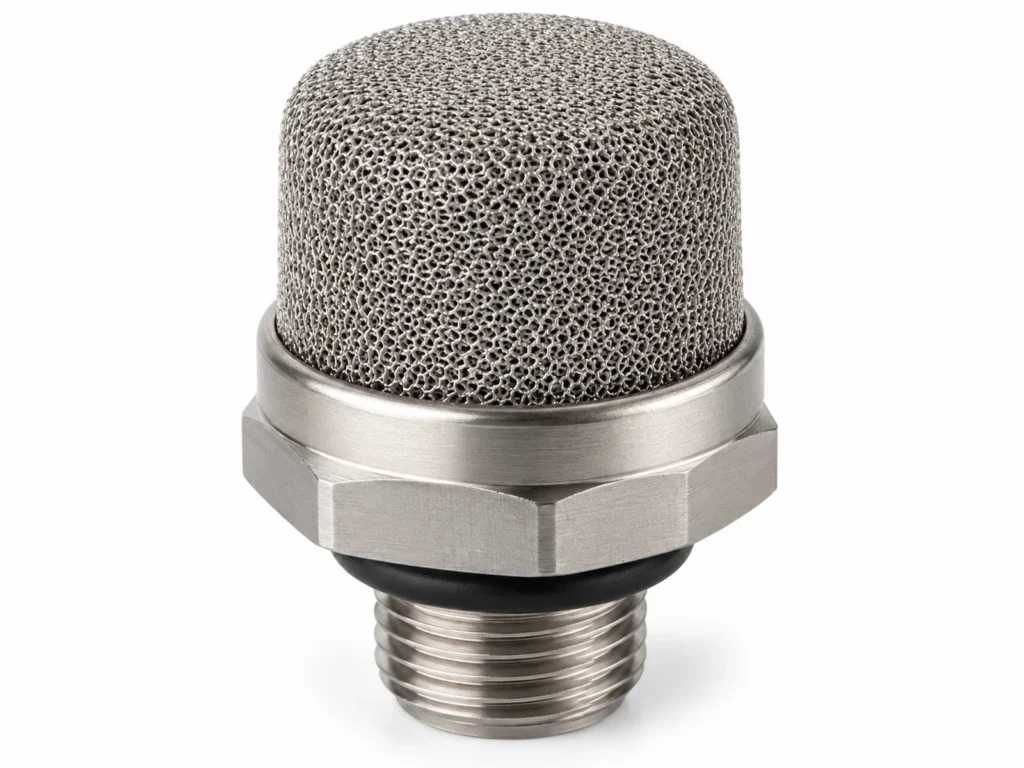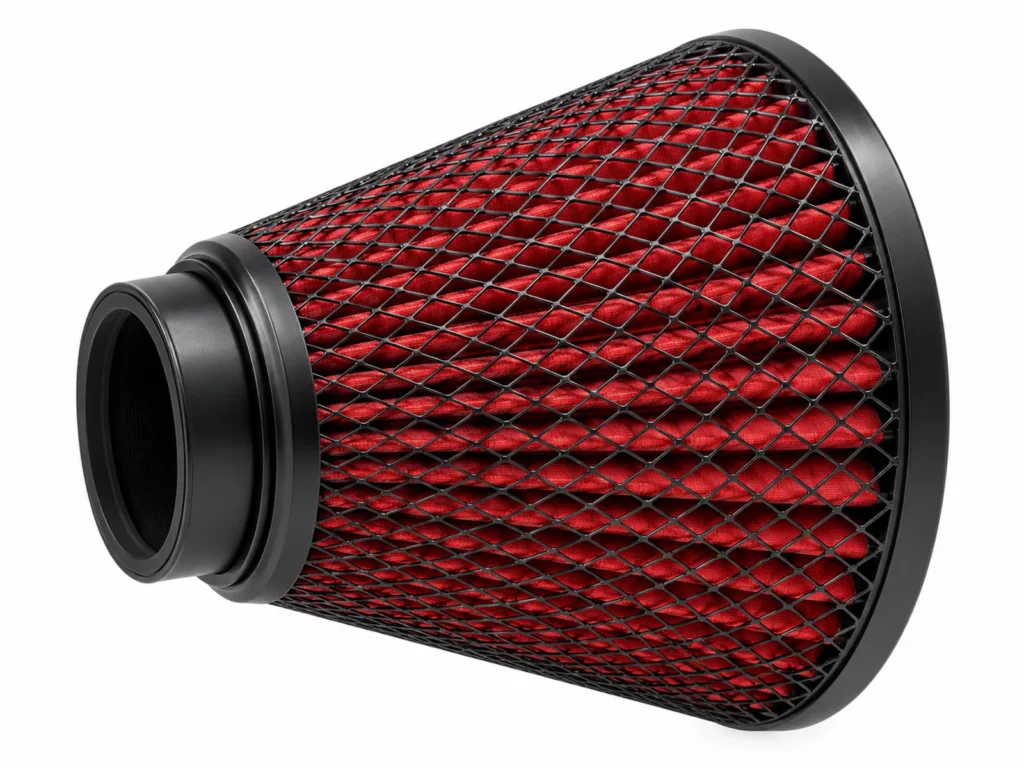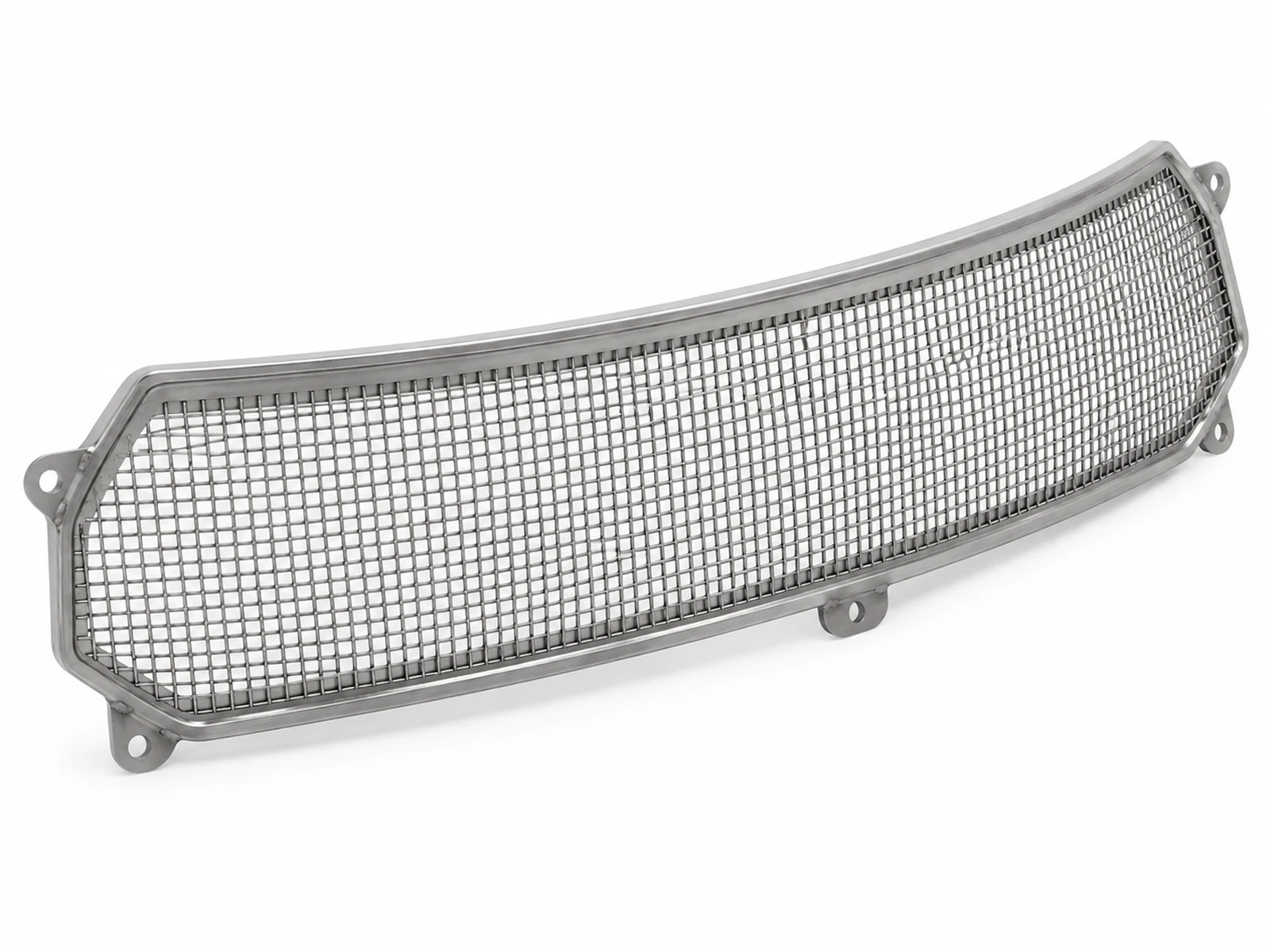
Engine Bay Rodent Guard Mesh is used for closing the openings rodents use to get into engine bays, air boxes and cabin-filter housings, where they nest and chew soy-based wiring insulation. Automotive aftermarket is the reference cited for it on drawings, datasheets and purchase orders.
What Automotive aftermarket Means for Engine Bay Rodent Guard Mesh
The dimensions in the table below are supplied to suit Automotive aftermarket. Where the standard sets requirements for the finished appliance, device or system, compliance testing of that assembly stays with its manufacturer; we supply the metal mesh part to the drawing and can provide material certificates and dimensional reports with the shipment.
Engine Bay Rodent Guard Mesh Dimensions
| Opening (mm) | Wire diameter (mm) | Open area (%) | Roll width (mm) | Material |
|---|---|---|---|---|
| 6.4 | 0.64 | 82 | 600 | SS304 |
| 3.2 | 0.56 | 72 | 600 | SS304 |
| 12.7 | 1.00 | 86 | 900 | Galvanized, PVC coated |
Specifying Engine Bay Rodent Guard Mesh Beyond the Standard
- Opening size: 6.4 mm (1/4 in) stops rats and most mice; 3.2 mm for juvenile mice.
- Wire & alloy: SS304 welded mesh at 0.56–0.64 mm wire resists chewing; plastic or aluminum screen does not.
- Heat clearance: Keep PVC-coated mesh at least 100 mm from exhaust manifolds and turbochargers.
When Engine Bay Rodent Guard Mesh Is Not the Right Choice
Not a heat shield and not a substitute for removing nesting material or food sources around a parked vehicle.