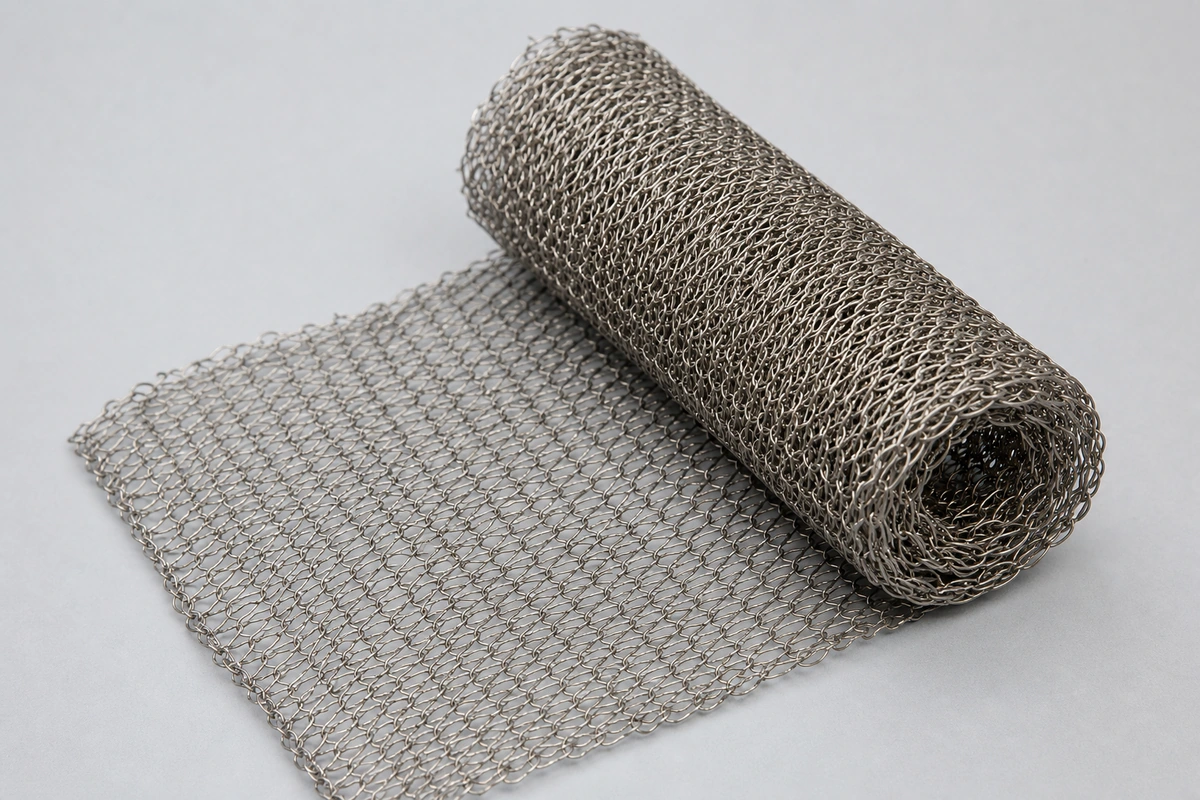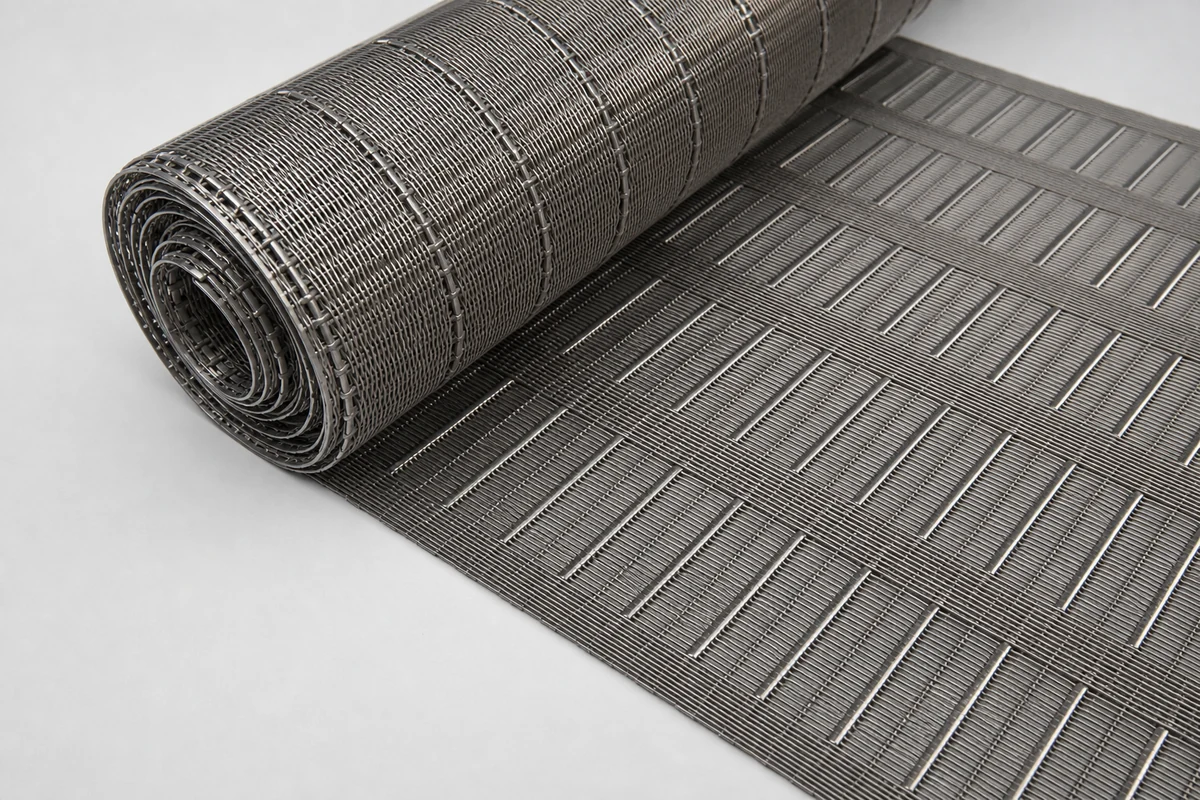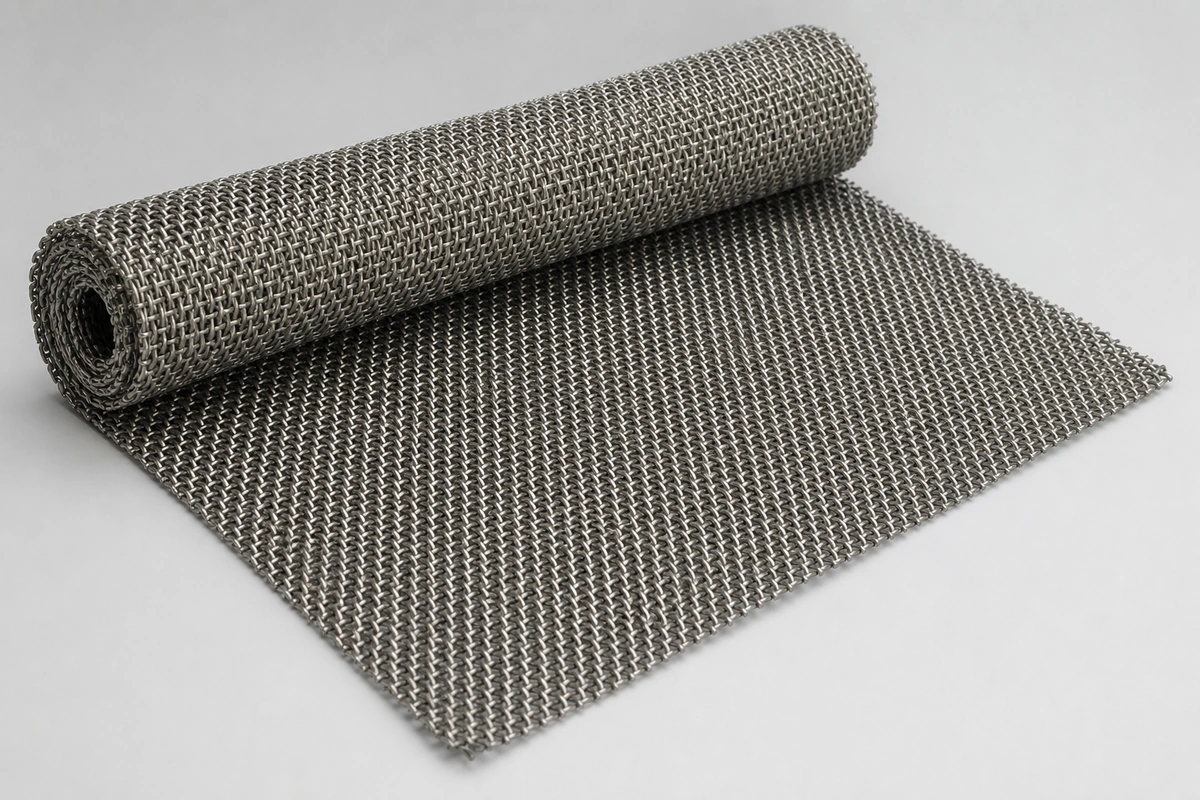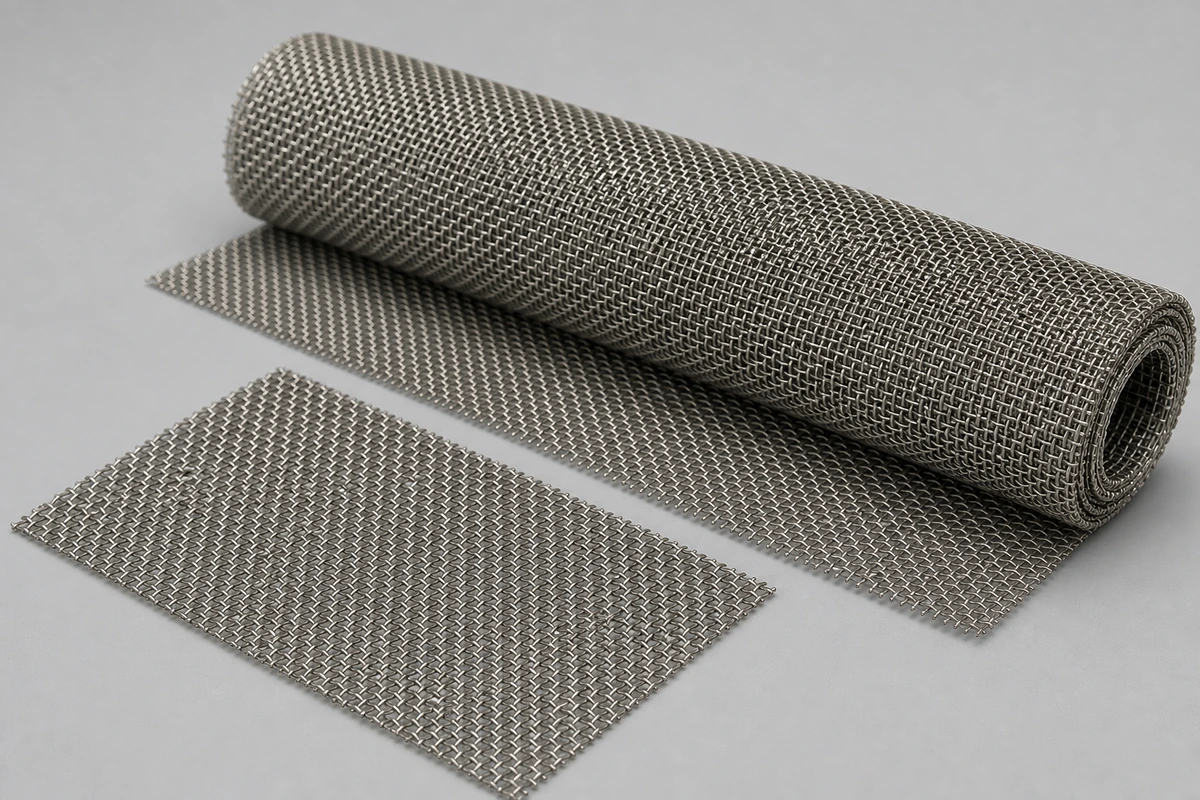
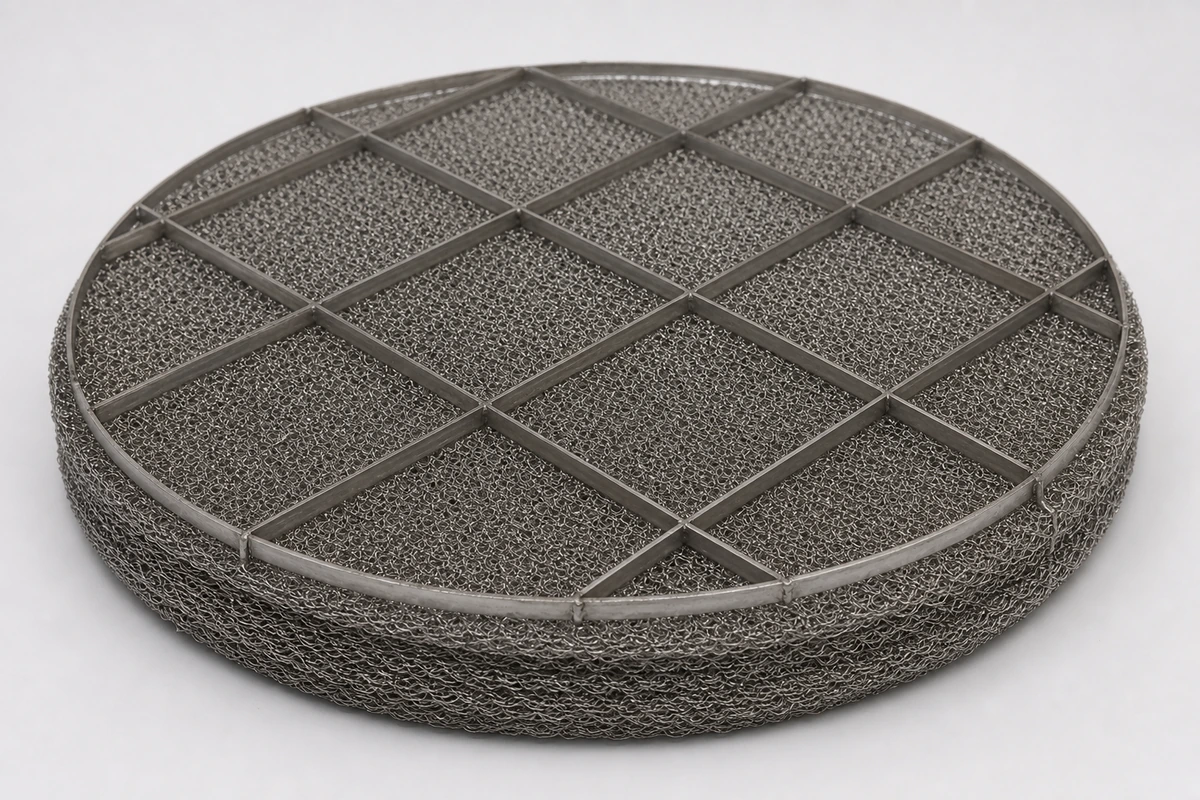
ASME sizing practice is the governing standard for demister pads (mist eliminators). This page sets out the scope of the document, reproduces the full specification table, and lists the ISO/ASTM/DIN cross-references cited in datasheets and purchase orders.
ASME sizing practice — Scope
ASME sizing practice specifies the designation system, dimensions and tolerances of demister pads (mist eliminators) — mesh count or nominal opening, wire diameter and the permissible aperture deviations. Alloy chemistry, mechanical testing and delivery condition are governed by separate documents in the same standards family.
Tolerance Classes
ASME sizing practice defines tolerance limits on the average aperture and on the maximum single aperture, tightening as the aperture gets finer. For test-sieve duty the tighter ISO 3310-1 tolerances apply instead of the general cloth tolerances — specify sieve grade explicitly if the mesh will be used for particle-size analysis.
Specifications Defined by ASME sizing practice
| Pad density (kg/mu00b3) | Thickness (mm) | Wire diameter (mm) | Grade | Reference standard |
|---|---|---|---|---|
| 80 | 100 | 0.28 | General purpose | ASME approx. sizing |
| 112 | 100 | 0.28 | Standard | ASME approx. sizing |
| 144 | 100-150 | 0.28 | High efficiency | ASME approx. sizing |
| 192 | 150 | 0.23 | High efficiency | ASME approx. sizing |
| 300 | 150 | 0.15 | Co-knit glass fiber | ASME approx. sizing |
Equivalent Standards
Where direct equivalents exist (ISO ↔ ASTM ↔ DIN), they are listed on the parent Demister Pads (Mist Eliminators) page. Confirm against the specification table on this page — nominally equivalent documents can differ in tolerance limits.
Companion Standards
ASME sizing practice controls the geometry of demister pads (mist eliminators). Companions frequently cited alongside it: ISO 565 / ASTM E11 (test-sieve aperture series), ISO 3310-1 (test sieves of metal wire cloth), ISO 4783 (selection of wire and aperture combinations), ISO 9044 (industrial woven wire cloth), and ISO 2941 (collapse/burst rating for finished filter elements).