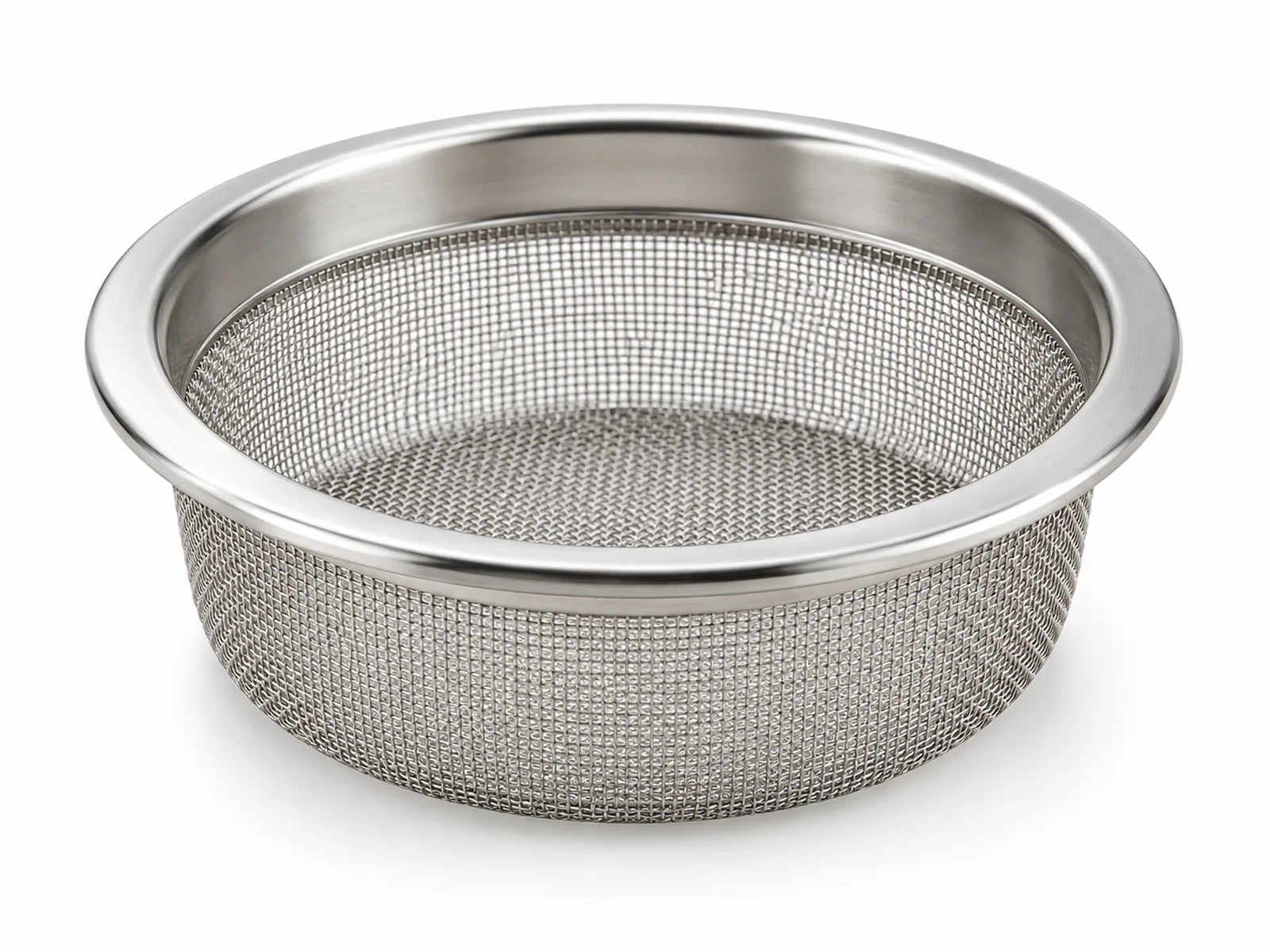
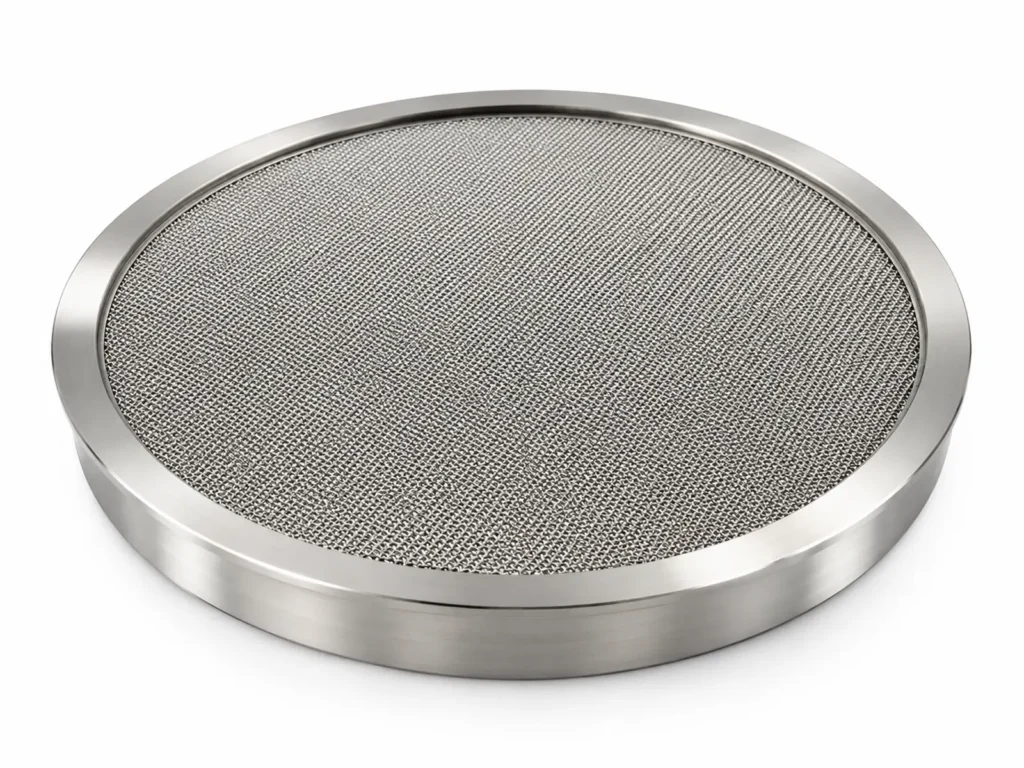
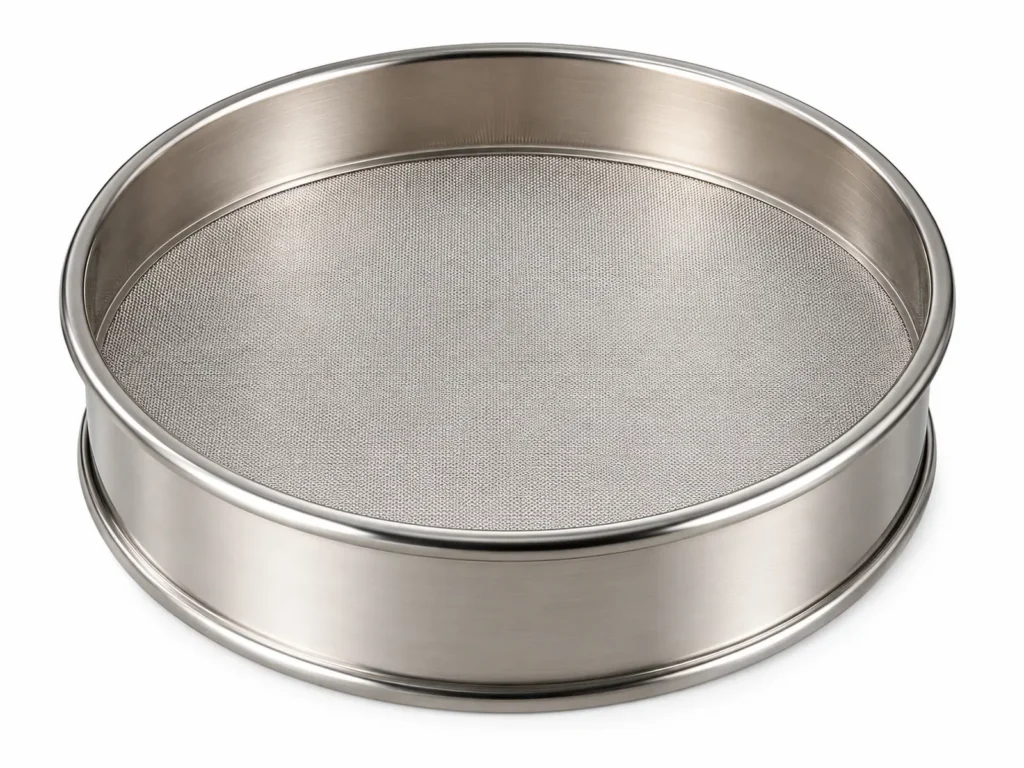
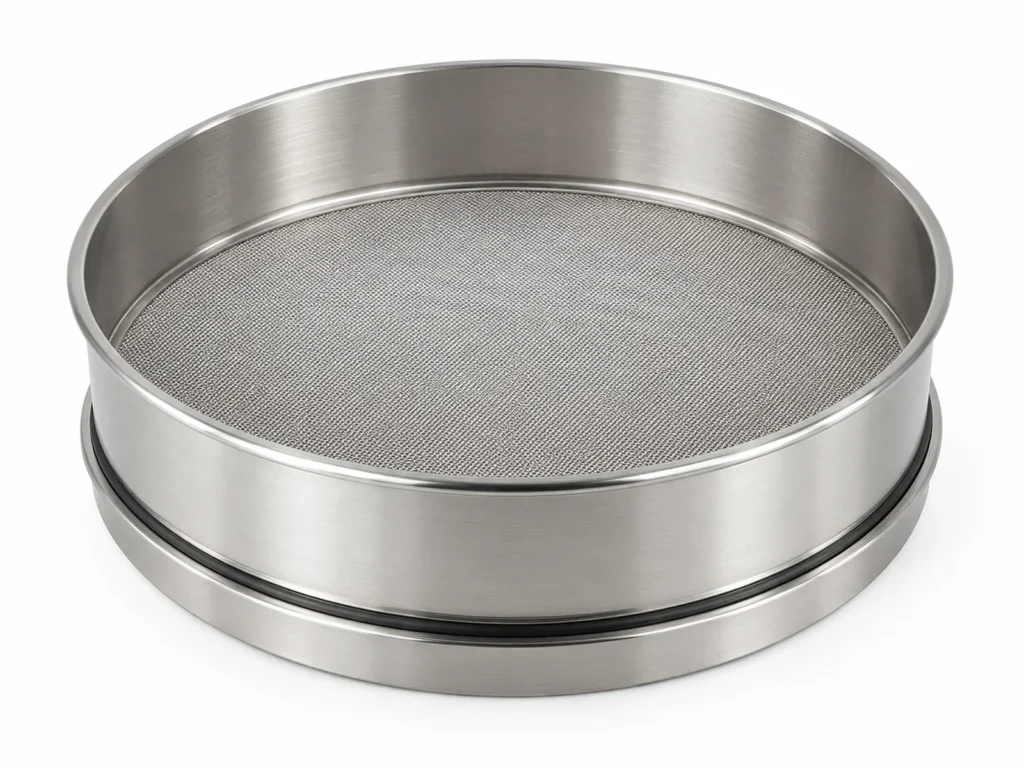
Stainless Tissue & Cell Dissociation Sieve in 316L Stainless Steel (AISI 316L (1.4404)) is used for pressing tissue through, and straining cell suspensions with, autoclavable stainless mesh as a reusable alternative to plastic cell strainers. The alloy gives superior resistance, including chlorides, brines, food CIP and mild acids and is essentially non-magnetic, with a practical service limit of approx. +550 °C continuous.
Alloy Properties
| Grade designation | AISI 316L (1.4404) |
|---|
| Magnetic response | Essentially non-magnetic |
|---|
| Service temperature | approx. +550 °C continuous |
|---|
| Corrosion characteristic | Superior resistance, including chlorides, brines, food CIP and mild acids |
|---|
Specifications of Stainless Tissue & Cell Dissociation Sieve Available in 316L Stainless Steel
| Size | Top diameter (mm) | Depth (mm) | Aperture (mm) | Mesh |
|---|
| 40 u00b5m | 75 | 25 | 0.040 | 400-Mesh SS316 |
| 70 u00b5m | 75 | 25 | 0.070 | 200-Mesh SS316 |
| 100 u00b5m | 75 | 25 | 0.100 | 150-Mesh SS316 |
| 250 u00b5m | 75 | 25 | 0.250 | 60-Mesh SS316 |
Where 316L Stainless Steel Stainless Tissue & Cell Dissociation Sieve Is Used
- Cell biology & immunology labs: single-cell suspensions from spleen, lymph node and tumor tissue.
- Pathology & histology: tissue processing.
- Organoid & stem-cell work: sizing organoid fragments.
- Food & environmental science: micro-sieving of samples.
Ordering Stainless Tissue & Cell Dissociation Sieve in 316L Stainless Steel
- Aperture: 40, 70, 100 or 250 µm to match the cell or fragment size.
- Format: 75 mm diameter fits standard dishes.
- Material: SS316 withstands repeated autoclave cycles.
Mistakes to Avoid with Stainless Tissue & Cell Dissociation Sieve
- Generating single-use plastic waste with every prep.
- Choosing too small an aperture, which loses cells.