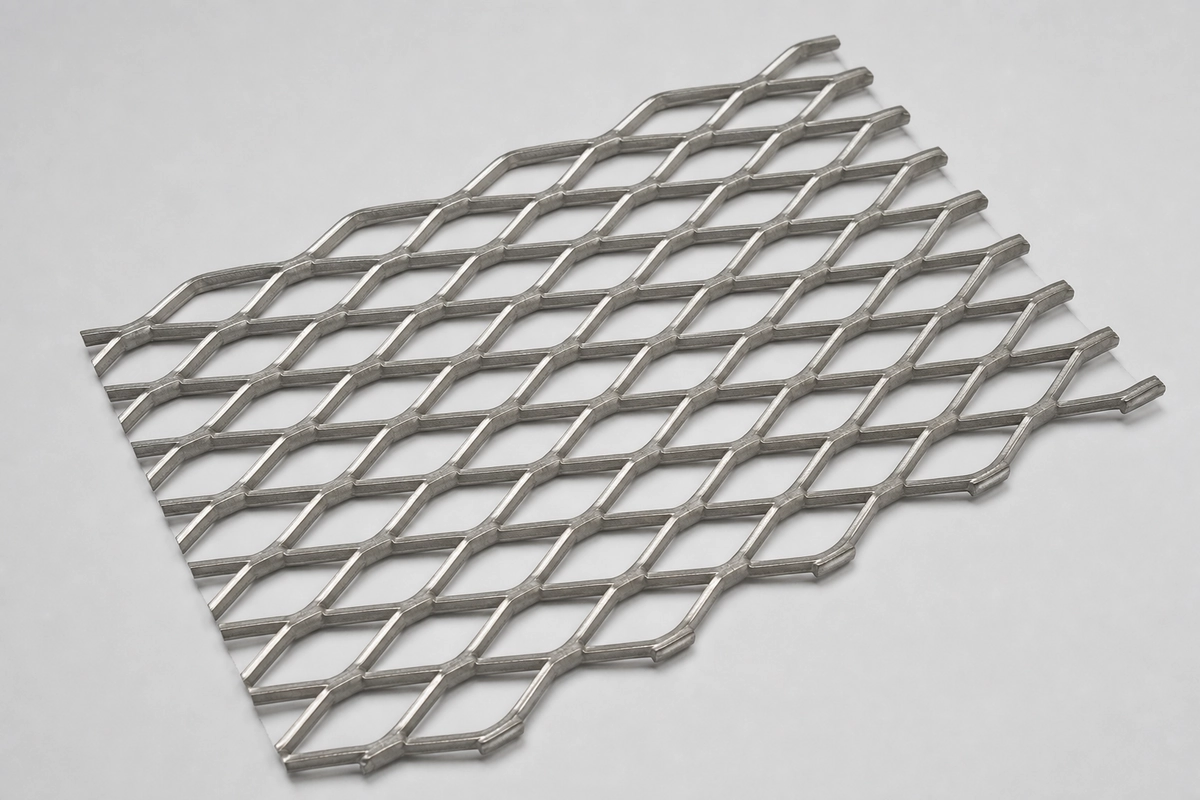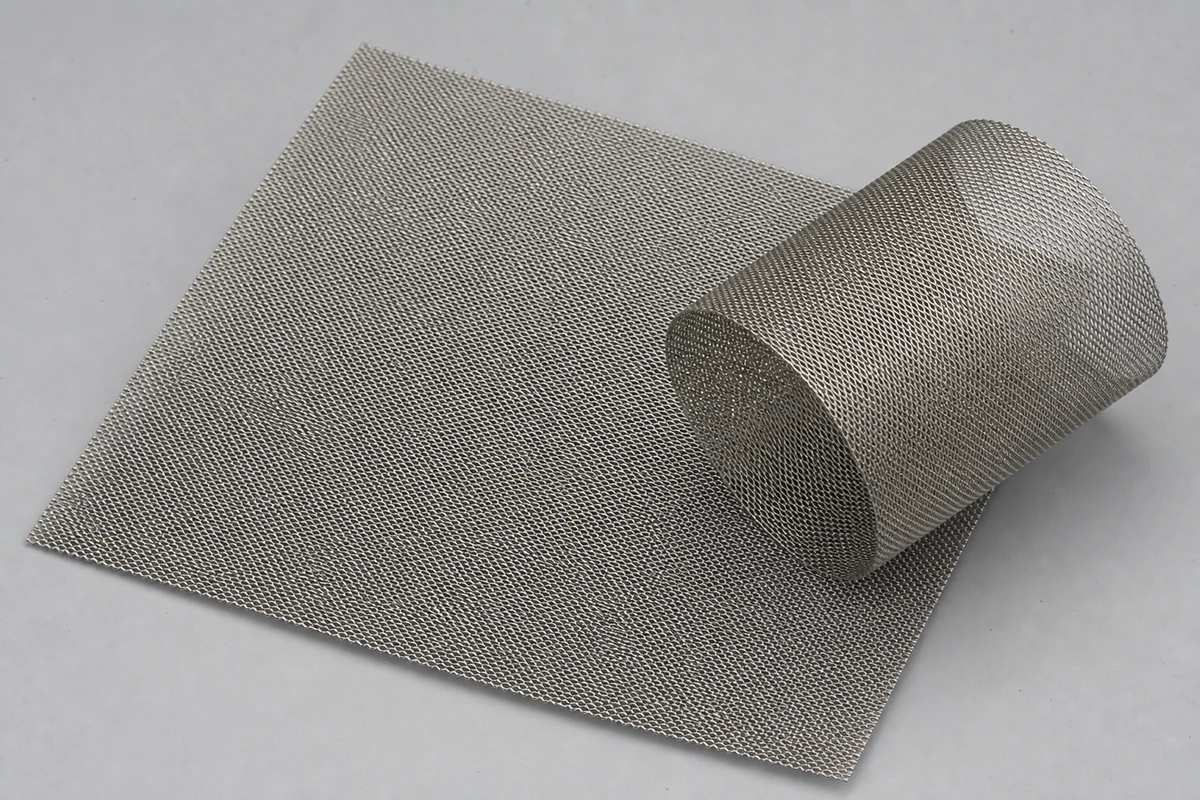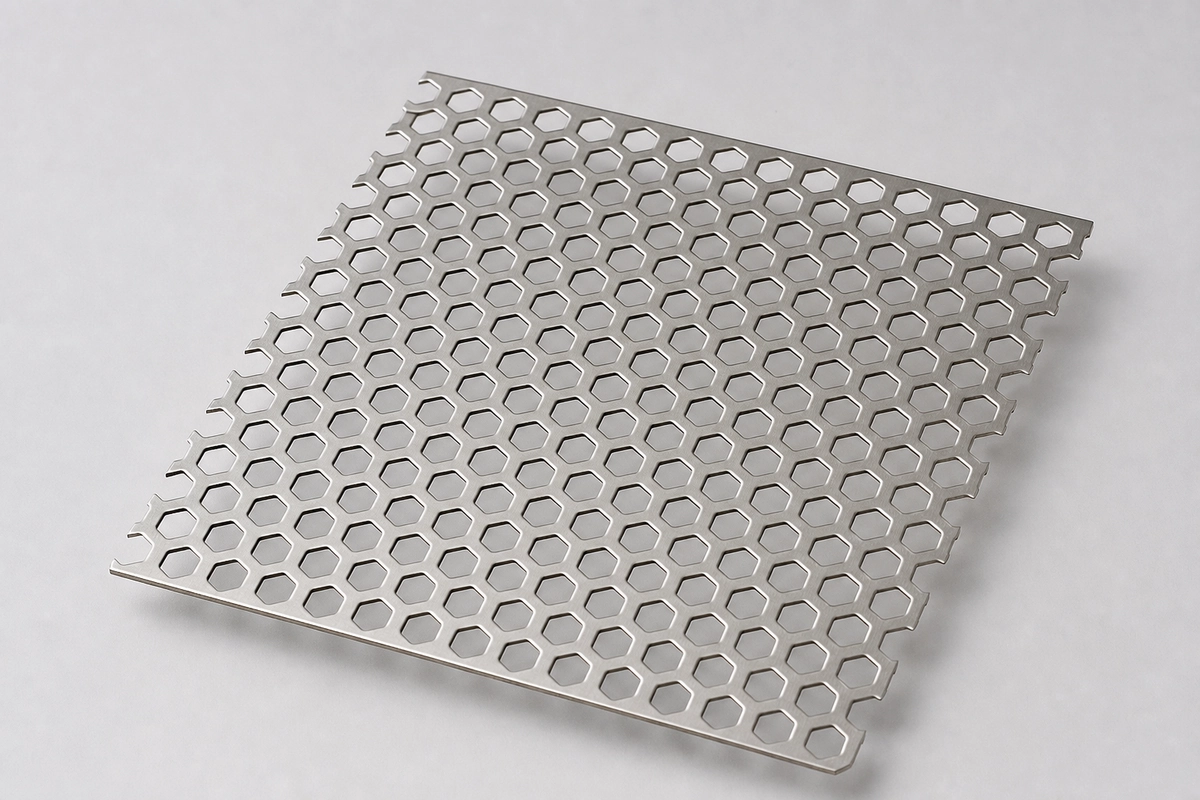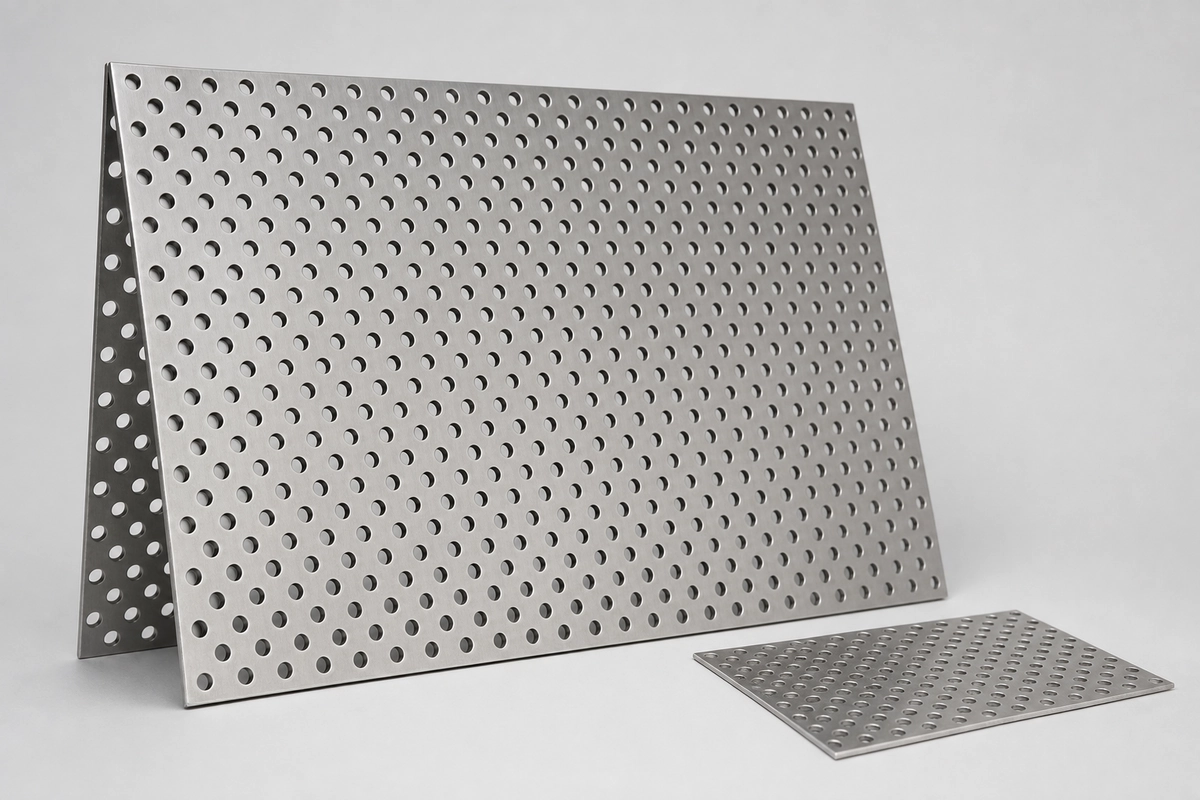
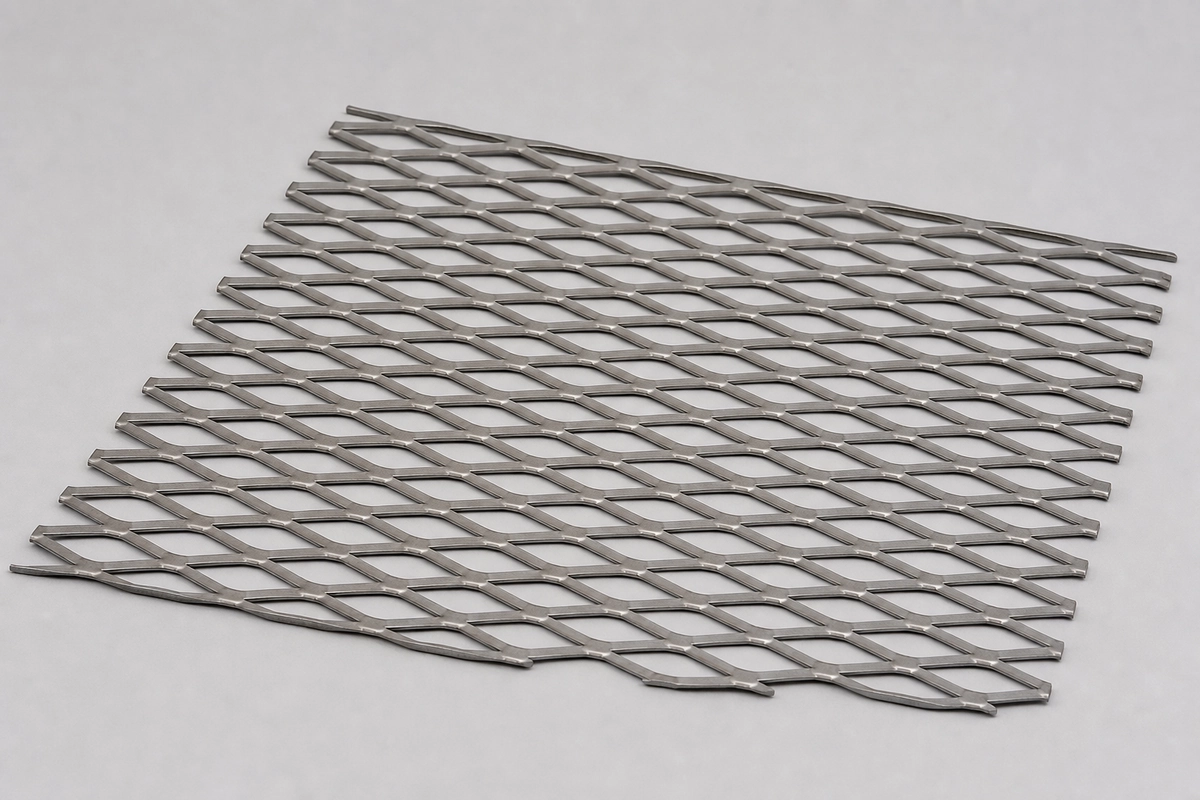
Pure Copper flattened expanded metal is stocked to DIN 791 / ASTM F1267. The alloy provides good atmospheric resistance with a stable patina; outstanding conductivity and is non-magnetic; the practical service limit is approx. +200 °C. Property data, alloy comparison and the specification table follow.
Why Choose Pure Copper for Flattened Expanded Metal
The EMI/RFI shielding and Faraday-cage mesh material. For flattened expanded metal, this matters when good atmospheric resistance with a stable patina; outstanding conductivity is the controlling requirement.
Alloy Properties
| Grade designation | C11000 |
|---|---|
| Magnetic response | Non-magnetic |
| Service temperature | approx. +200 °C |
| Corrosion characteristic | Good atmospheric resistance with a stable patina; outstanding conductivity |
Cleaning & Compatibility
Clean copper-alloy mesh with mild detergent or dilute citric acid; avoid ammonia-based cleaners entirely. In contact with more noble metals in wet service the copper alloy becomes the sacrificial partner — isolate or accept the loss rate.
Comparable Alloys
Within the copper family: brass for economy and appearance, phosphor bronze for fatigue strength and marine air, pure copper where conductivity (EMI shielding) is the point. For structural filtration duties, stainless 304/316 is the usual alternative.
Specifications of Flattened Expanded Metal Available in Pure Copper
| Mesh designation (SWD x LWD) | SWD (mm) | LWD (mm) | Strand width (mm) | Strand thickness (mm) | Open area (%) |
|---|---|---|---|---|---|
| 6x12 | 6 | 12 | 1.0 | 1.0 | 62 |
| 10x20 | 10 | 20 | 1.5 | 1.5 | 66 |
| 12.5x25 | 12.5 | 25 | 2.0 | 2.0 | 60 |
| 16x34 | 16 | 34 | 2.0 | 2.0 | 70 |
| 22x50 | 22 | 50 | 3.0 | 3.0 | 67 |