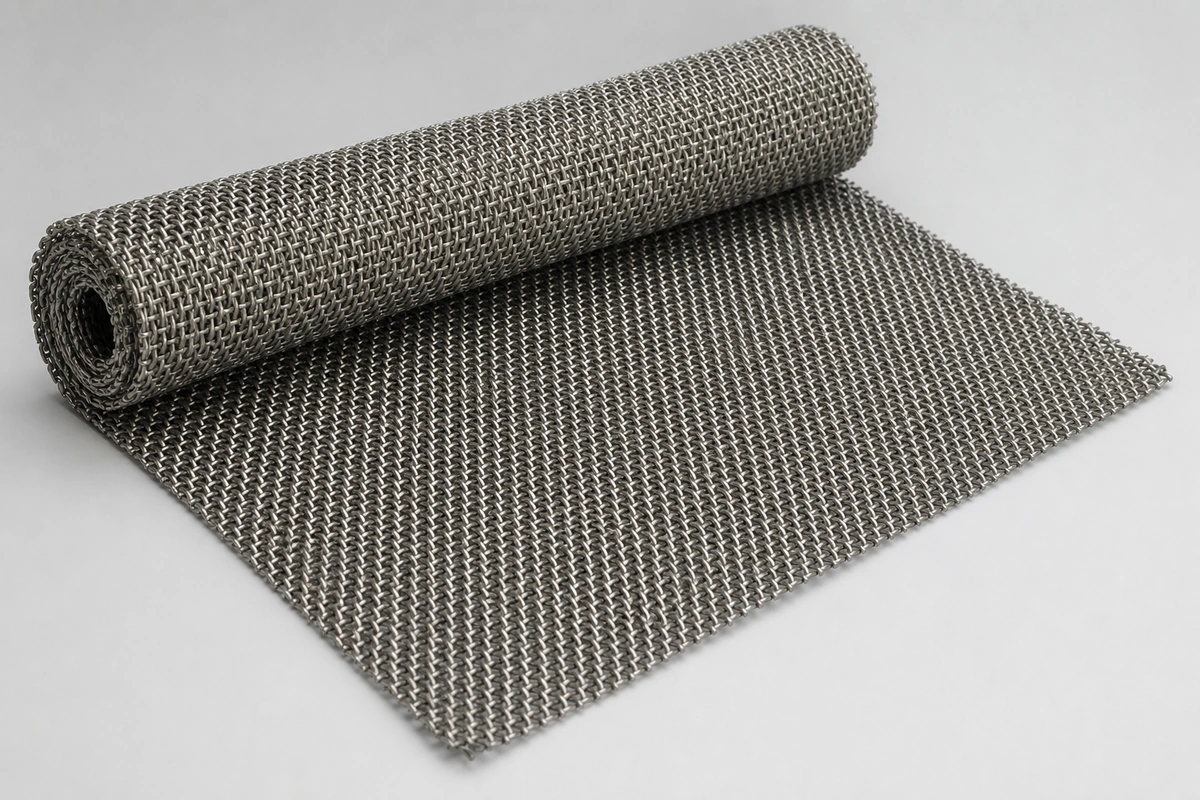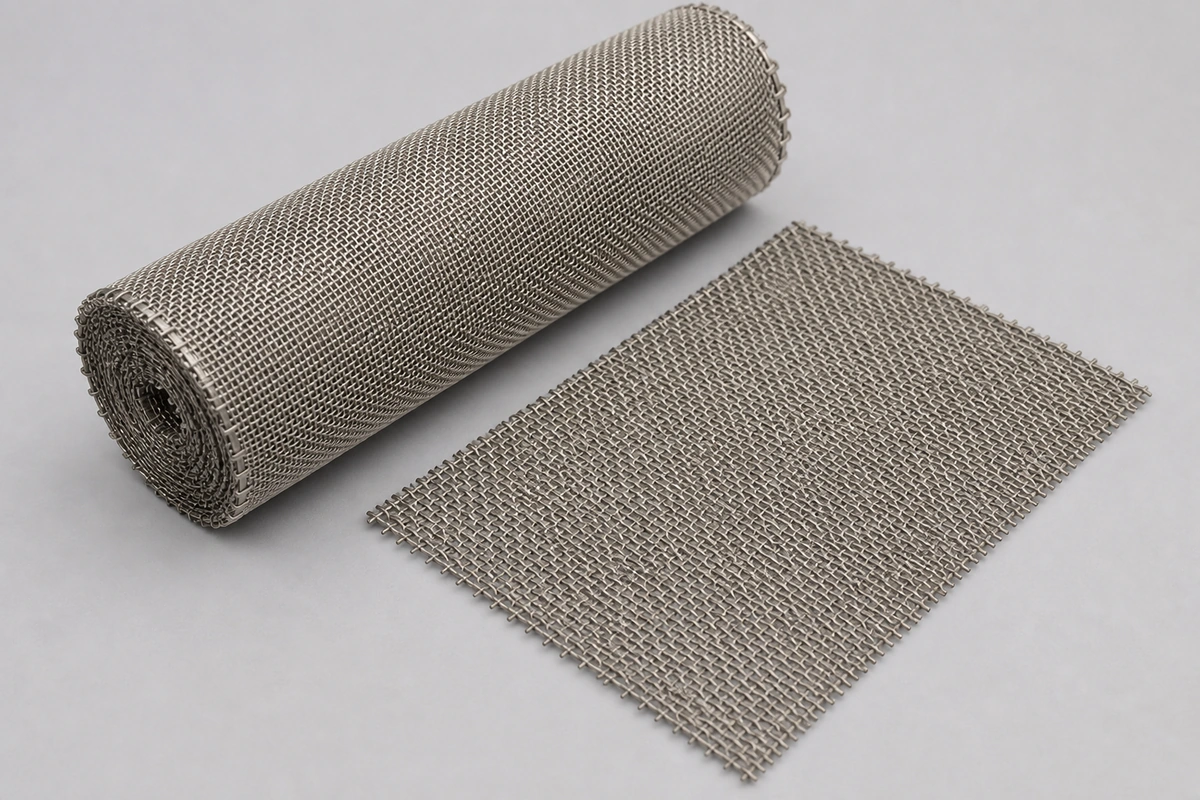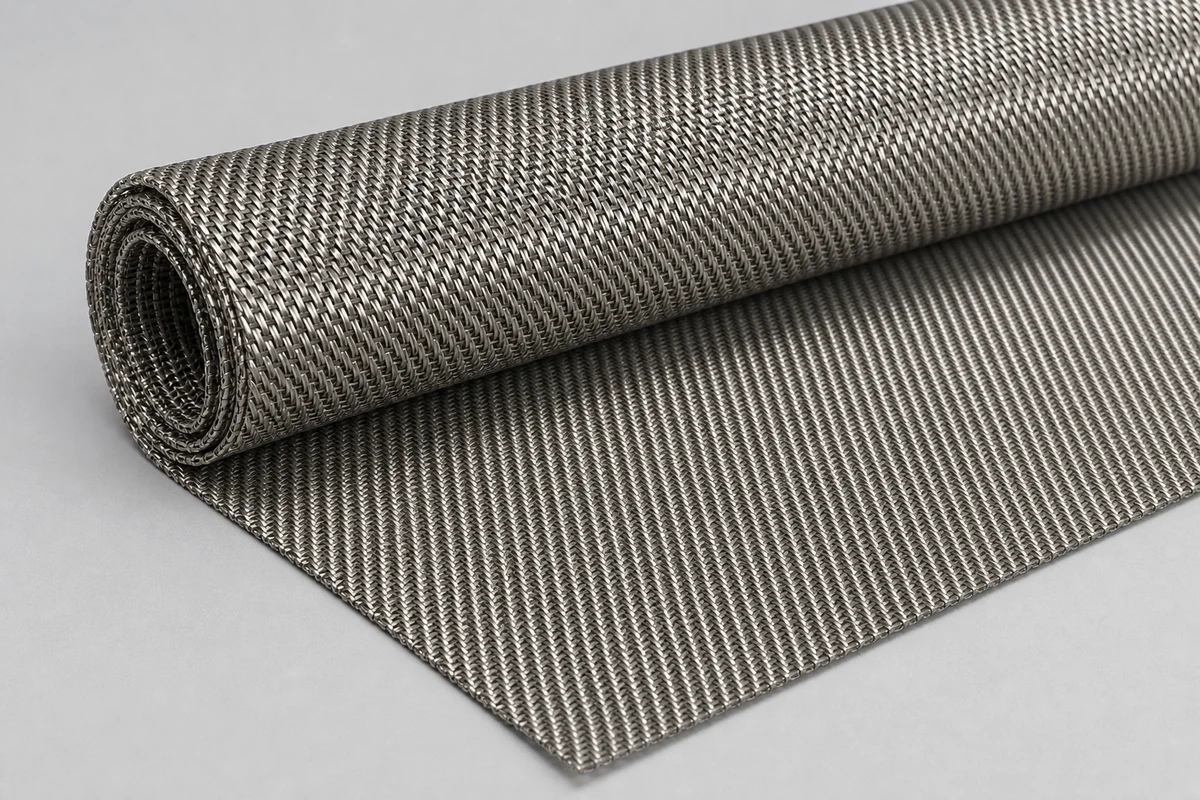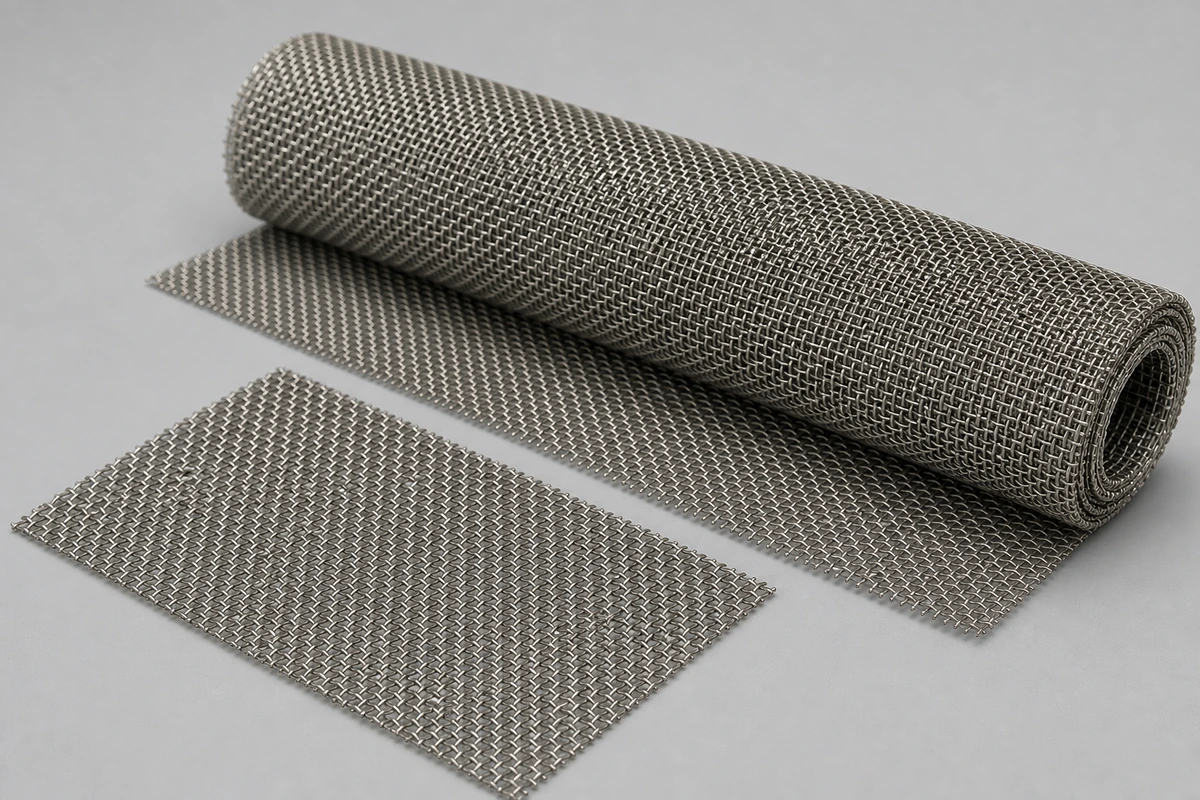
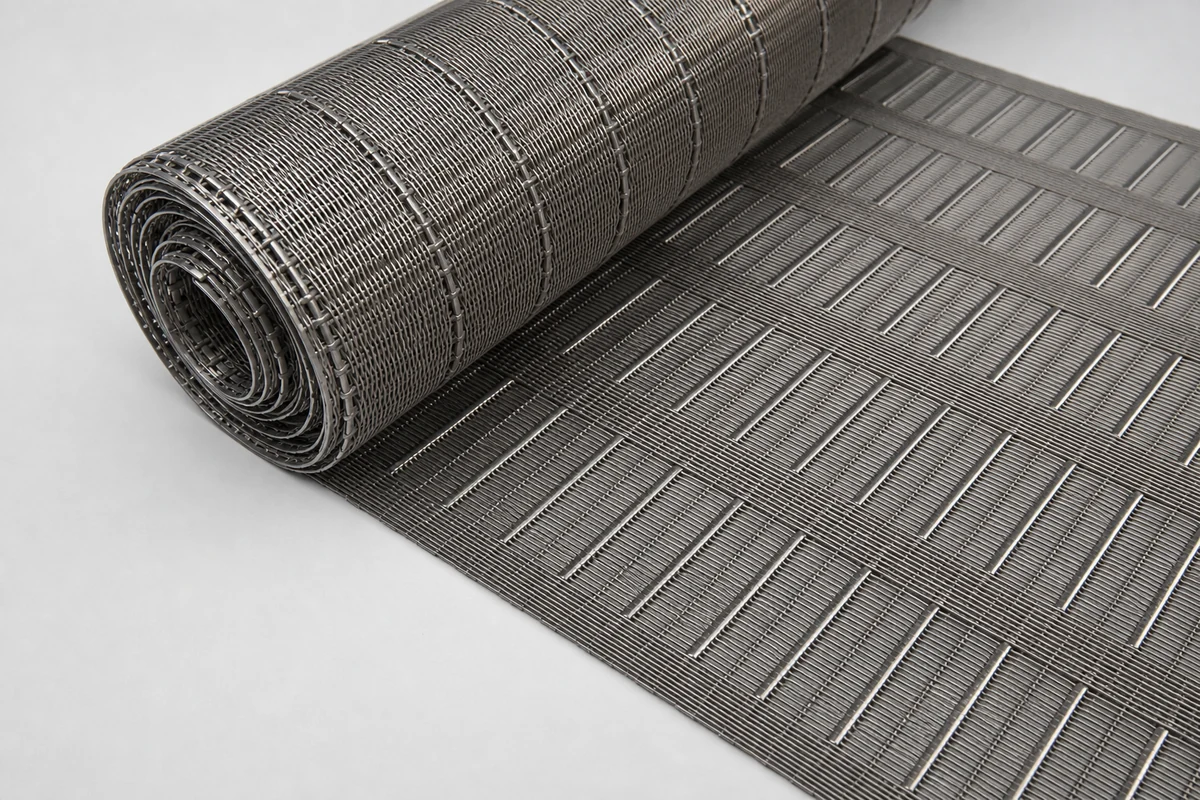
For reverse dutch weave mesh in Brass, the controlling selection factors are the media being filtered, the cleaning regime and the service temperature. The grade data for Brass is summarized below together with every specification supplied.
Why Choose Brass for Reverse Dutch Weave Mesh
The decorative and spark-resistant screening alloy. For reverse dutch weave mesh, this matters when good atmospheric and fresh-water resistance; unsuitable for ammonia service is the controlling requirement.
Alloy Properties
| Grade designation | H65 / CuZn35 |
|---|---|
| Magnetic response | Non-magnetic |
| Service temperature | approx. +200 °C |
| Corrosion characteristic | Good atmospheric and fresh-water resistance; unsuitable for ammonia service |
Corrosion Behavior in Filtration Service
Copper and brass reverse dutch weave mesh resist atmospheric corrosion and fresh water well, tarnishing to a stable patina. Avoid ammonia and ammonium compounds (stress-corrosion cracking of brass) and strong oxidizing acids. In marine service, phosphor bronze outperforms plain brass.
Cleaning & Compatibility
Clean copper-alloy mesh with mild detergent or dilute citric acid; avoid ammonia-based cleaners entirely. In contact with more noble metals in wet service the copper alloy becomes the sacrificial partner — isolate or accept the loss rate.
Specifications of Reverse Dutch Weave Mesh Available in Brass
| Mesh (warp x weft) | Warp wire (mm) | Weft wire (mm) | Nominal filtration (u00b5m) | Weight SS (kg/mu00b2) | Reference standard |
|---|---|---|---|---|---|
| 48x10 | 0.55 | 1.00 | 700 | 5.20 | ISO 9044 |
| 72x15 | 0.45 | 0.85 | 400 | 4.10 | ISO 9044 |
| 132x17 | 0.28 | 0.63 | 250 | 2.90 | ISO 9044 |
| 152x24 | 0.22 | 0.46 | 180 | 2.10 | ISO 9044 |
| 175x50 | 0.14 | 0.28 | 95 | 1.30 | ISO 9044 |