Skip to content

Knitted Wire Mesh · ASME sizing practice

Brass Demister Pads (Mist Eliminators)

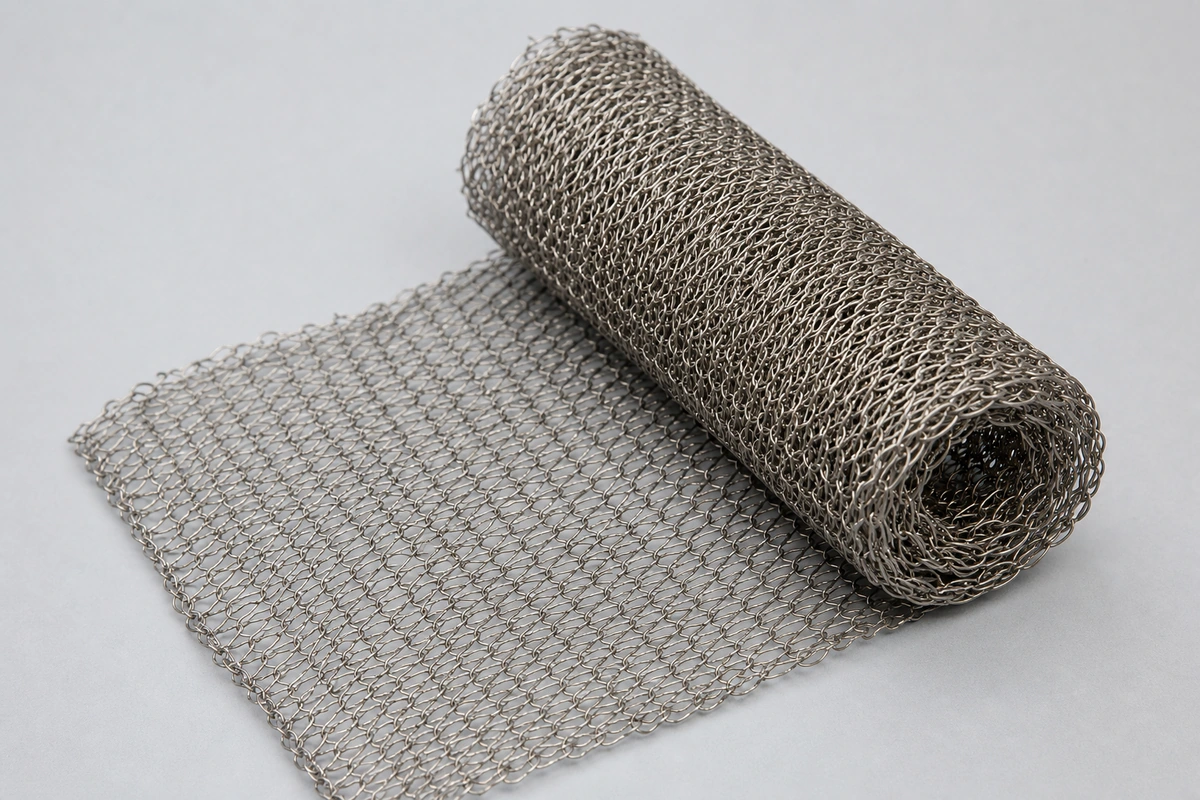
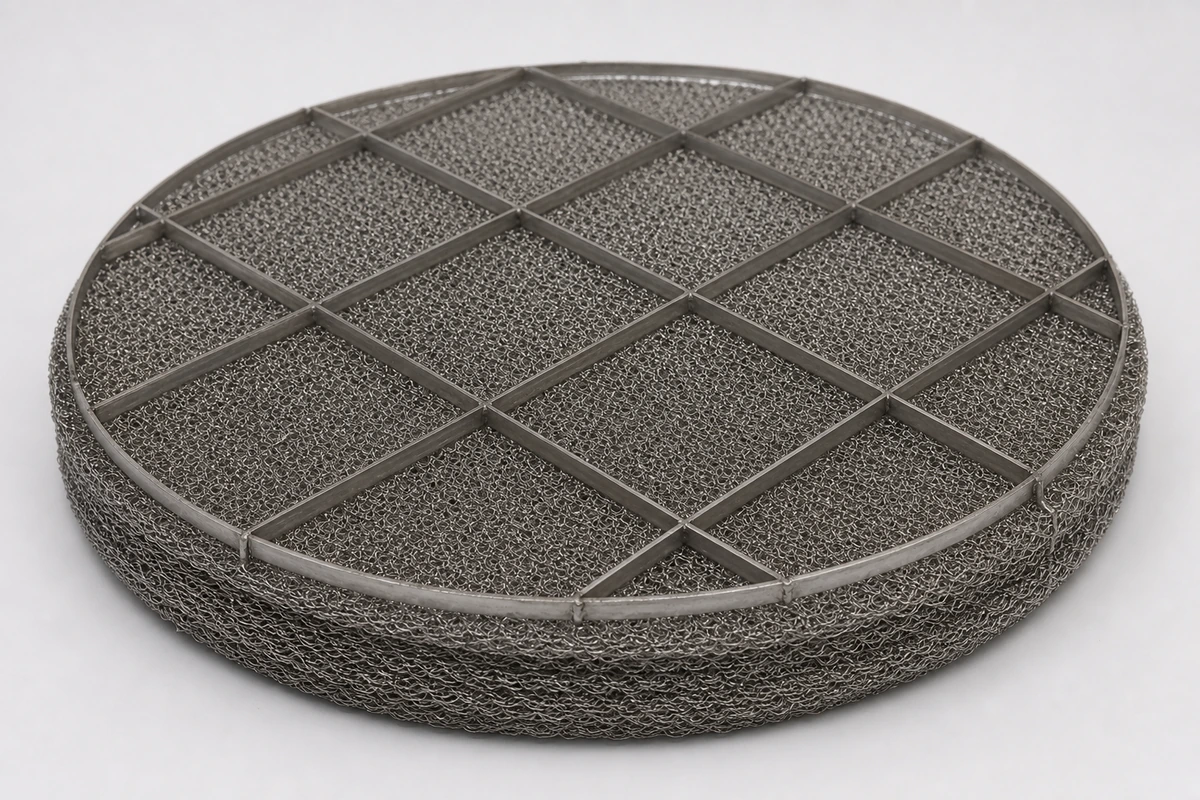
Brass Demister Pads (Mist Eliminators) reference image

Demister Pads (Mist Eliminators) woven or fabricated in Brass (H65 / CuZn35) keeps its dimensional specification to ASME sizing practice; the alloy determines corrosion behavior (good atmospheric and fresh-water resistance; unsuitable for ammonia service) and the service temperature limit (approx. +200 °C). Both are covered below with the full specification table.

Why Choose Brass for Demister Pads (Mist Eliminators)

The decorative and spark-resistant screening alloy. For demister pads (mist eliminators), this matters when good atmospheric and fresh-water resistance; unsuitable for ammonia service is the controlling requirement.

Alloy Properties

Grade designationH65 / CuZn35
Magnetic responseNon-magnetic
Service temperatureapprox. +200 °C
Corrosion characteristicGood atmospheric and fresh-water resistance; unsuitable for ammonia service

Corrosion Behavior in Filtration Service

Copper and brass demister pads (mist eliminators) resist atmospheric corrosion and fresh water well, tarnishing to a stable patina. Avoid ammonia and ammonium compounds (stress-corrosion cracking of brass) and strong oxidizing acids. In marine service, phosphor bronze outperforms plain brass.

Cleaning & Compatibility

Clean copper-alloy mesh with mild detergent or dilute citric acid; avoid ammonia-based cleaners entirely. In contact with more noble metals in wet service the copper alloy becomes the sacrificial partner — isolate or accept the loss rate.

Specifications of Demister Pads (Mist Eliminators) Available in Brass

Pad density (kg/mu00b3)Thickness (mm)Wire diameter (mm)GradeReference standard
801000.28General purposeASME approx. sizing
1121000.28StandardASME approx. sizing
144100-1500.28High efficiencyASME approx. sizing
1921500.23High efficiencyASME approx. sizing
3001500.15Co-knit glass fiberASME approx. sizing

Technical Drawing

Customize the parameters below — every spec field is editable, and the drawing redraws to match the values you choose. Changing the size will snap the other fields to that size's standard values; you can then override any individual value.

Sends the selected values to the quote form below.

Request a Quote

Adjust the parameters in the drawing above and click "Request this configuration" to send the exact specification straight to this form.

Request a Quotation

Specification
Business Information

Dimensions & Specifications (ASME sizing practice)

Pad density (kg/mu00b3)Thickness (mm)Wire diameter (mm)GradeReference standard
801000.28General purposeASME approx. sizing
1121000.28StandardASME approx. sizing
144100-1500.28High efficiencyASME approx. sizing
1921500.23High efficiencyASME approx. sizing
3001500.15Co-knit glass fiberASME approx. sizing

Frequently Asked Questions

What corrosion resistance does Brass offer?

Brass provides good atmospheric and fresh-water resistance; unsuitable for ammonia service, with a practical service range of approx. +200 °C.

What temperature can Brass demister pads (mist eliminators) run at?

The practical continuous service limit is approx. +200 °C. Above it, oxidation scales the wire surface and the aperture drifts; for hotter duty move up the alloy ladder (Inconel, and sintered constructions for mechanical stability).

When is Brass worth the premium over stainless?

Specify Brass when the datasheet chemistry rules stainless out — good atmospheric and fresh-water resistance; unsuitable for ammonia service. For everything else, 316L is usually the economic choice.

Can Brass demister pads (mist eliminators) be welded into frames?

Yes — spot, TIG and plasma welding are standard for framing and edging. Use matching filler, keep heat input low to protect the fine wires, and re-passivate stainless after fabrication.

How do I request a quotation?

Use the technical drawing on this page to pick the exact specification, then submit it with the quote form. We respond within one business day.