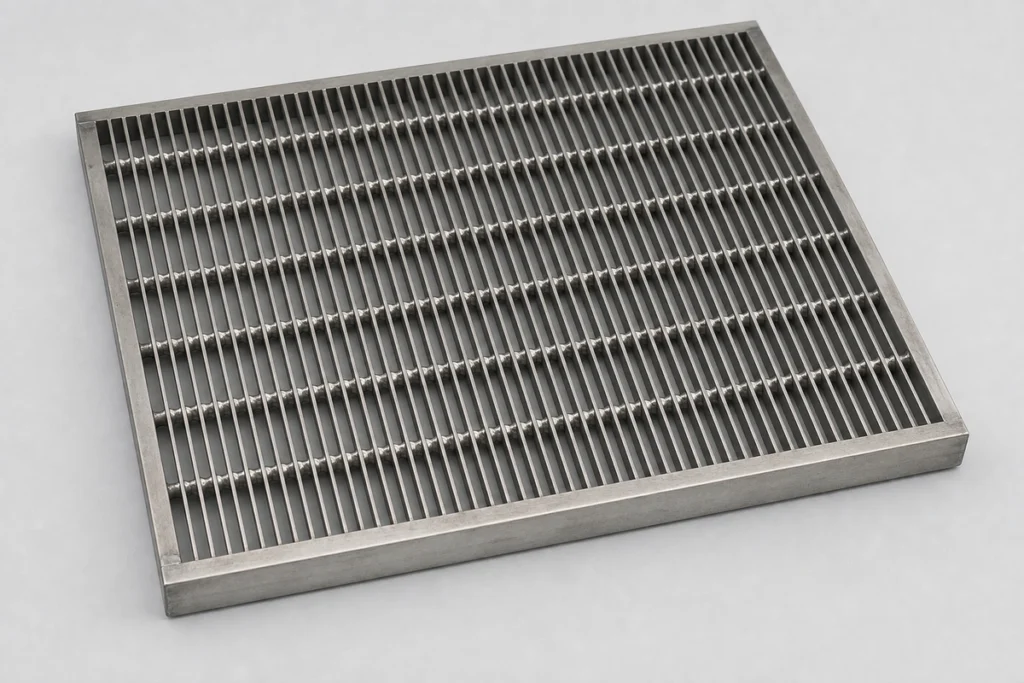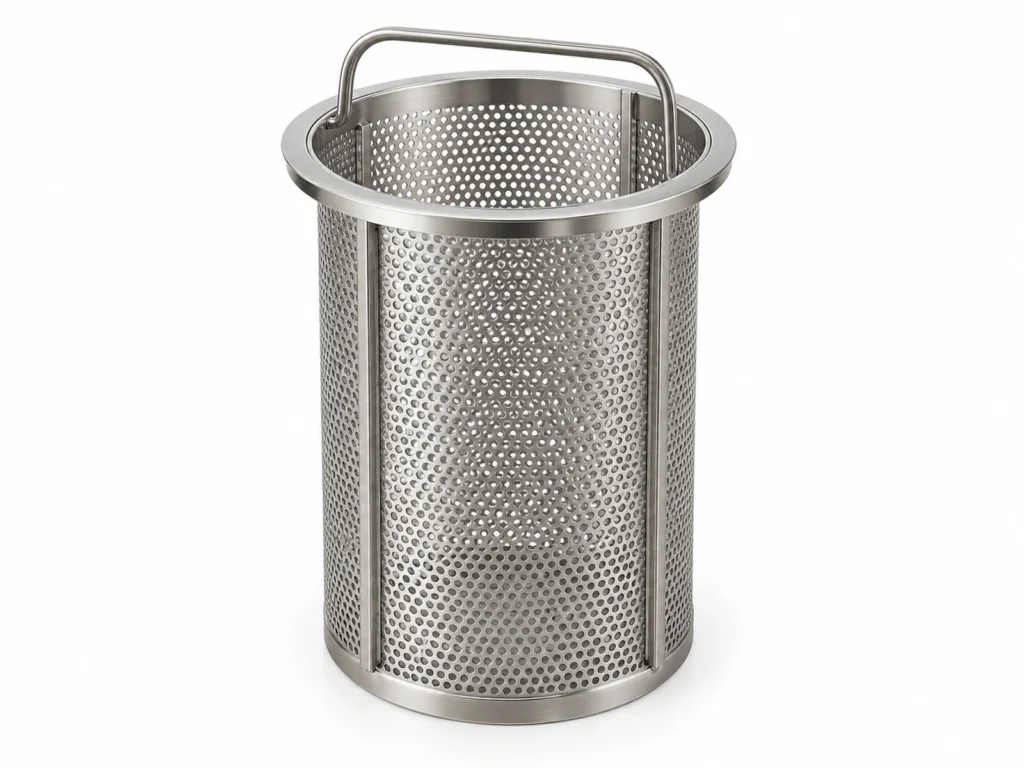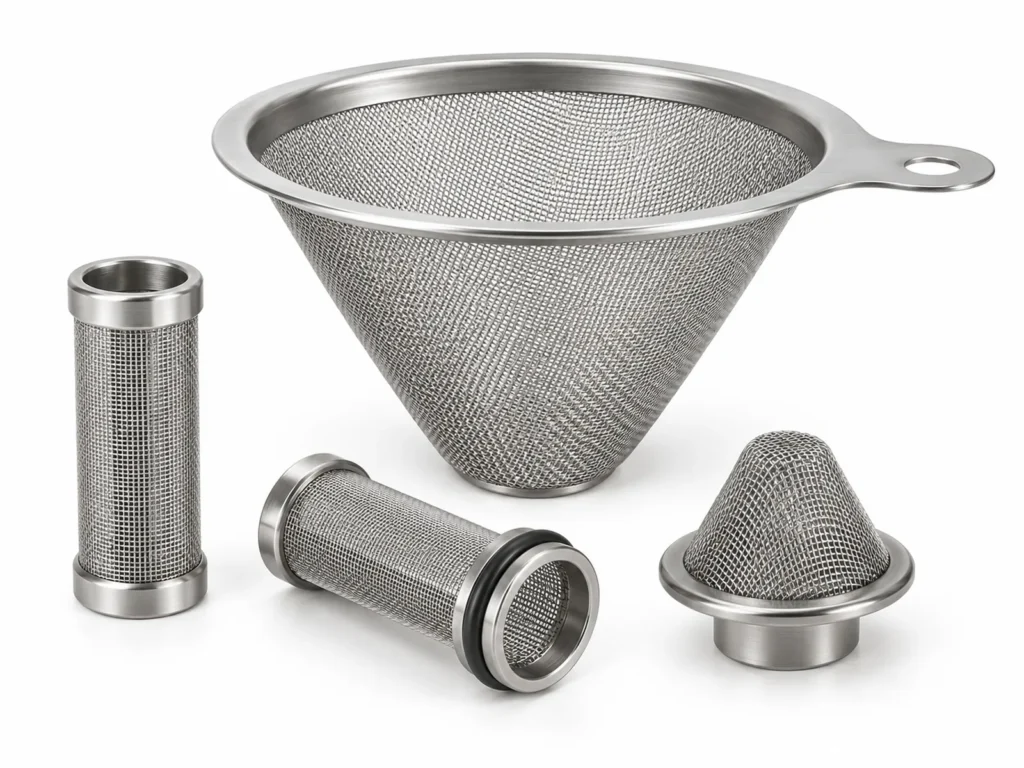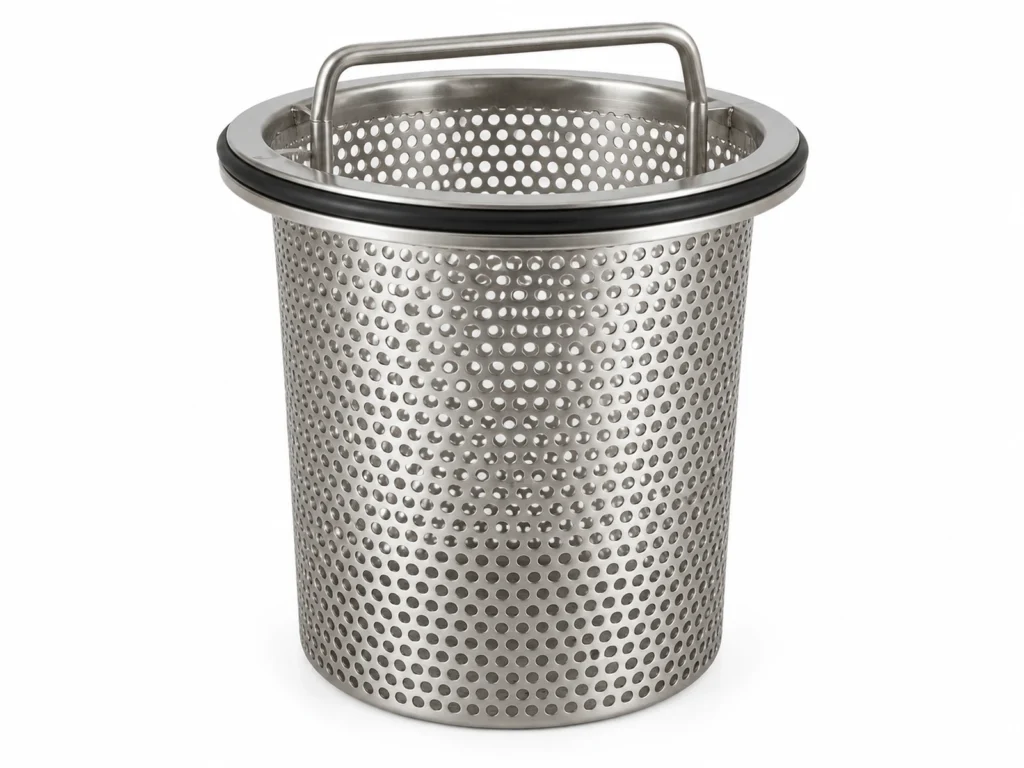
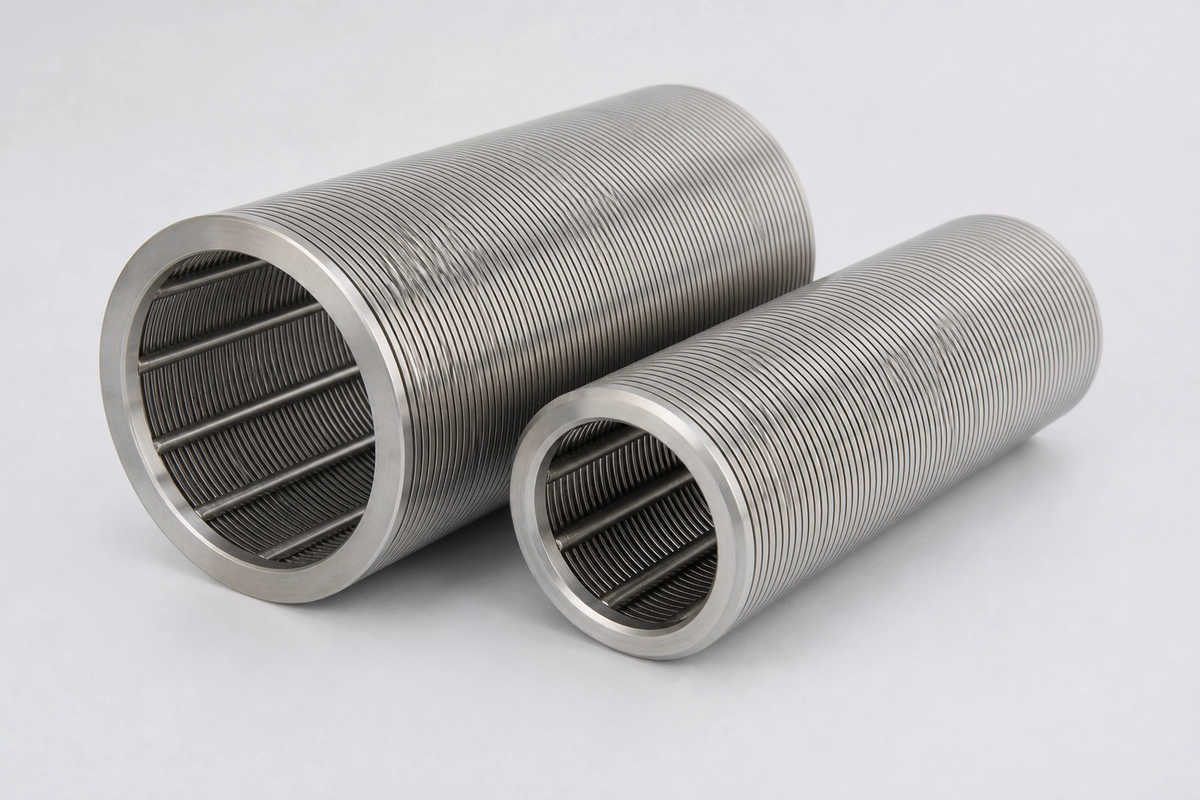
The primary duty of Wedge Wire Screen Tubes is water wells, river and sea intakes, backwash filters and resin traps using cylindrical wedge wire screen tubes with continuous slots. Below: the sectors that specify it in volume, the checklist used to select the right mesh and alloy for the application, handling notes, and the known limits of the type.
Typical Applications for Wedge Wire Screen Tubes
Where Wedge Wire Screen Tubes is specified and bought:
- Water wells: continuous-slot well screens for municipal and agricultural wells.
- Intakes: river, lake and sea-water intake screens.
- Filtration: self-cleaning and backwash filter elements.
- Ion exchange & catalysts: resin traps, nozzles and catalyst support.
How to Specify Wedge Wire Screen Tubes for Your Application
- Diameter & length: Match the well casing or vessel; long screens are coupled by threaded or welded ends.
- Slot: Chosen from sieve analysis of the formation or the media to retain.
- Wrap: Outside-flow (wells, intakes) or inside-flow (backwash filters) construction.
- Standard: Quote Industry standard (V-wire) and the size designation from the table on the product page, plus any value you changed in the technical drawing.
Handling & Installation Practice
- Lift long screens with spreader bars to avoid bending.
- Center well screens with centralizers during installation.
Common Selection Mistakes with Wedge Wire Screen Tubes
- Choosing a slot without sand analysis, which lets sand in or chokes yield.
- Damaging the slot face during handling.
Where Wedge Wire Screen Tubes Is Not the Right Choice
Not designed to stop very fine silt alone; a gravel pack or finer media is needed.