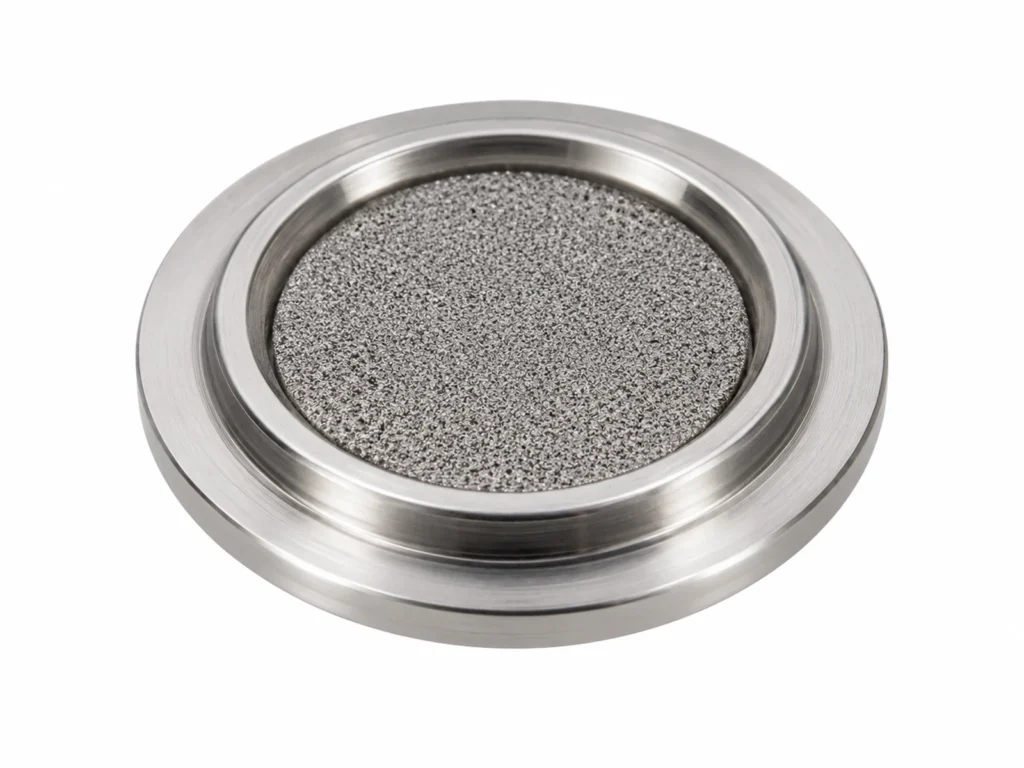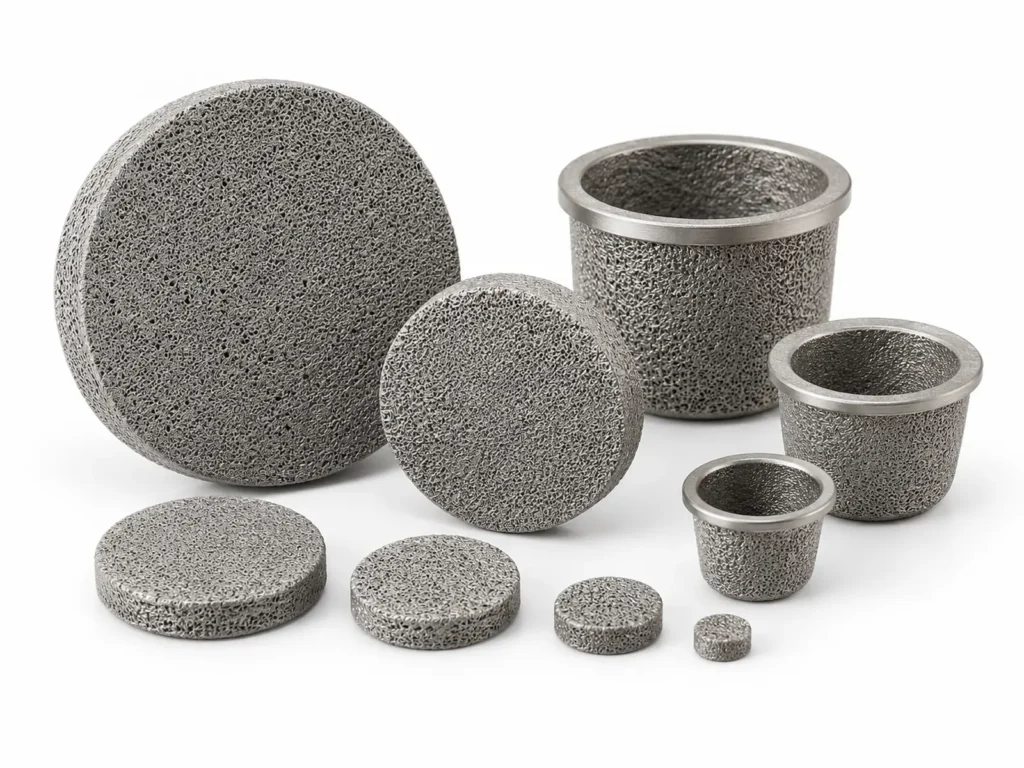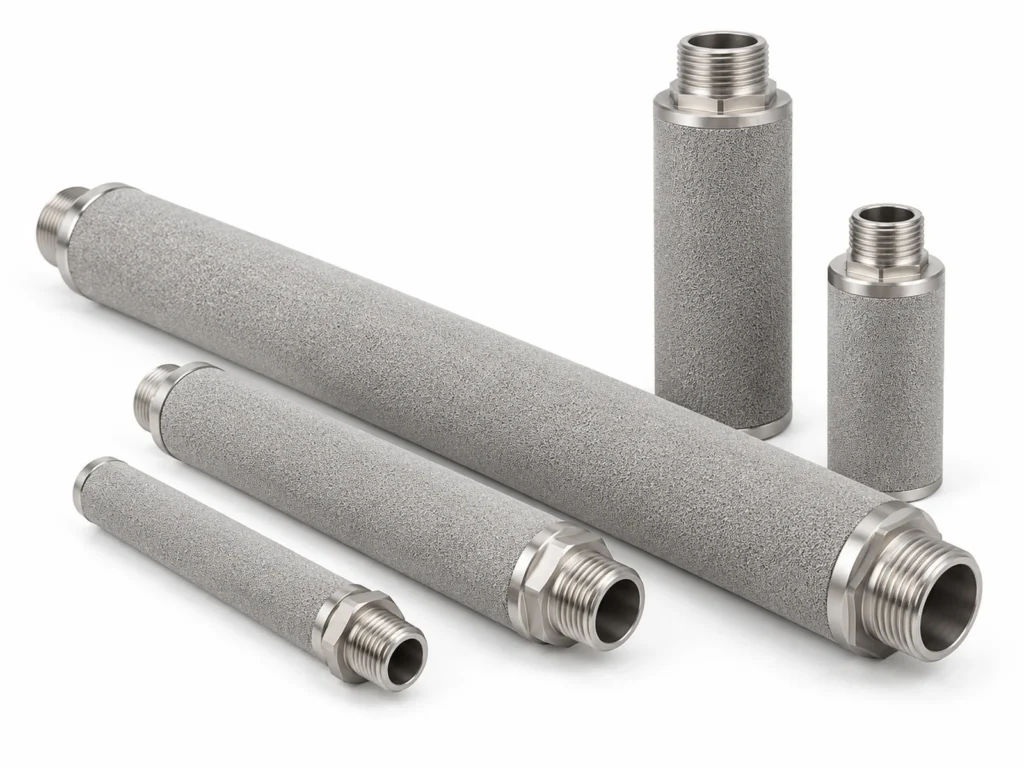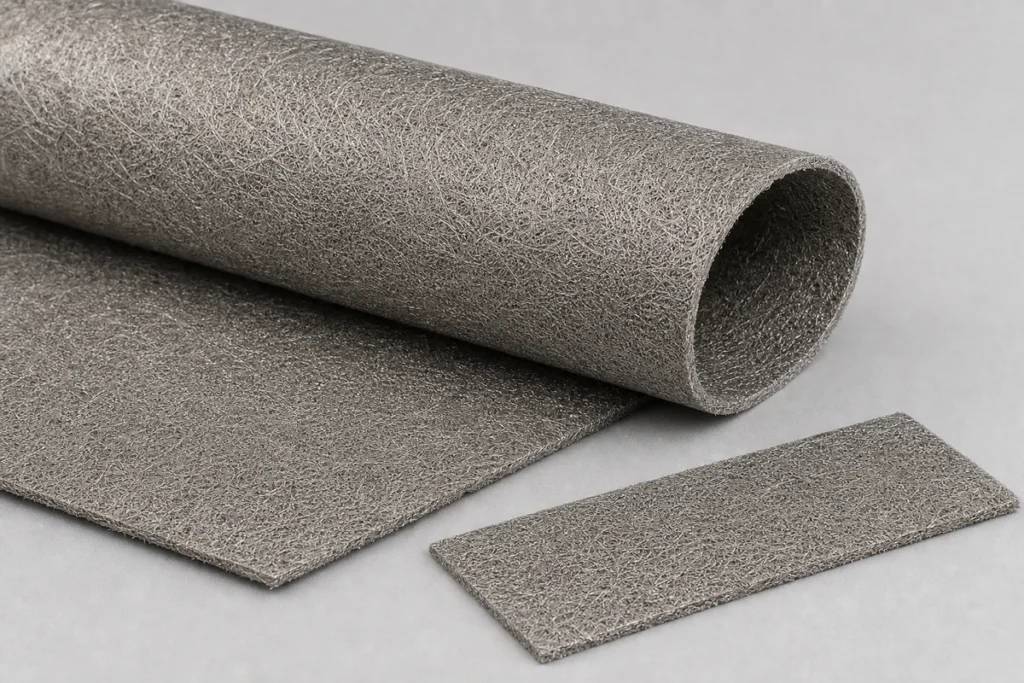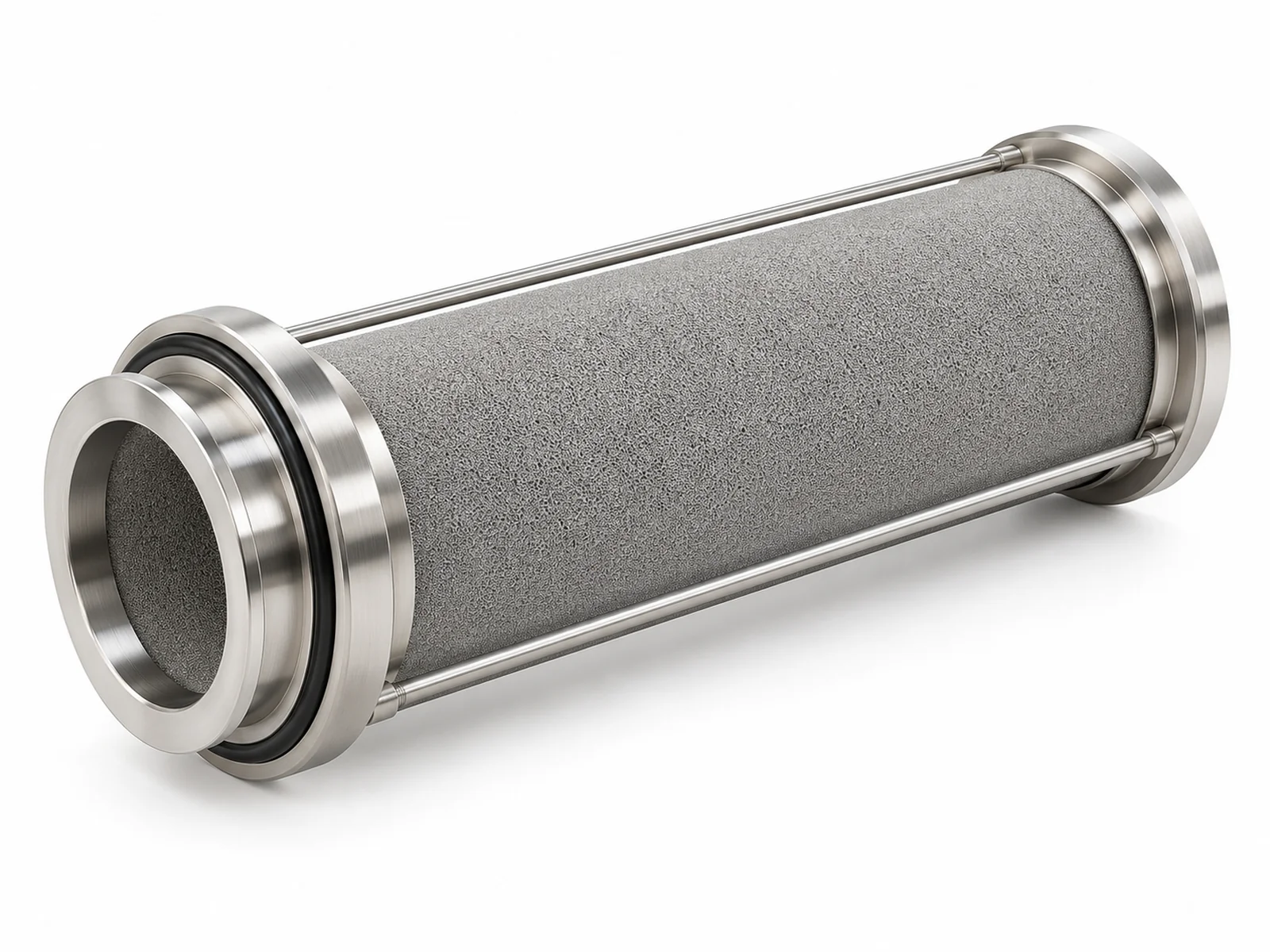
The primary duty of Precious Metal Catalyst Trap Filter is catching palladium, platinum and rhodium catalyst fines after hydrogenation and coupling reactions so the precious metal is recovered instead of lost to the product or waste stream. Below: the sectors that specify it in volume, the checklist used to select the right mesh and alloy for the application, handling notes, and the known limits of the type.
Typical Applications for Precious Metal Catalyst Trap Filter
Where Precious Metal Catalyst Trap Filter is specified and bought:
- Pharmaceutical API plants: Pd/C and Pt/C recovery after hydrogenation steps.
- Fine & specialty chemicals: homogeneous and supported Rh and Pt catalyst traps.
- Refinery & petrochemical pilots: catalyst fines guard filters ahead of downstream units.
- Precious-metal refiners: recovery filtration of spent-catalyst slurries.
How to Specify Precious Metal Catalyst Trap Filter for Your Application
- Micron rating: 1–5 µm sintered media retains typical Pd/C fines.
- Pressure & temperature: Match the reactor discharge conditions and the back-flush pressure.
- Construction: All-welded SS316L with ASME BPE finishes where GMP cleaning is required.
- Standard: Quote ISO 4022 / ASME BPE and the size designation from the table on the product page, plus any value you changed in the technical drawing.
Handling & Installation Practice
- Back-flush recovered catalyst into a closed, inerted receiver.
- Keep palladium-on-carbon wet throughout; dry Pd/C can ignite solvents in air.
Common Selection Mistakes with Precious Metal Catalyst Trap Filter
- Allowing the cake to dry on the element, creating a fire risk at opening.
- Undersizing filter area so the trap blinds within a single batch.
Where Precious Metal Catalyst Trap Filter Is Not the Right Choice
Not designed for bulk solids separation or for low-value catalysts where disposable bag filters are cheaper.