Engine Bay Rodent Guard Mesh — Automotive aftermarket
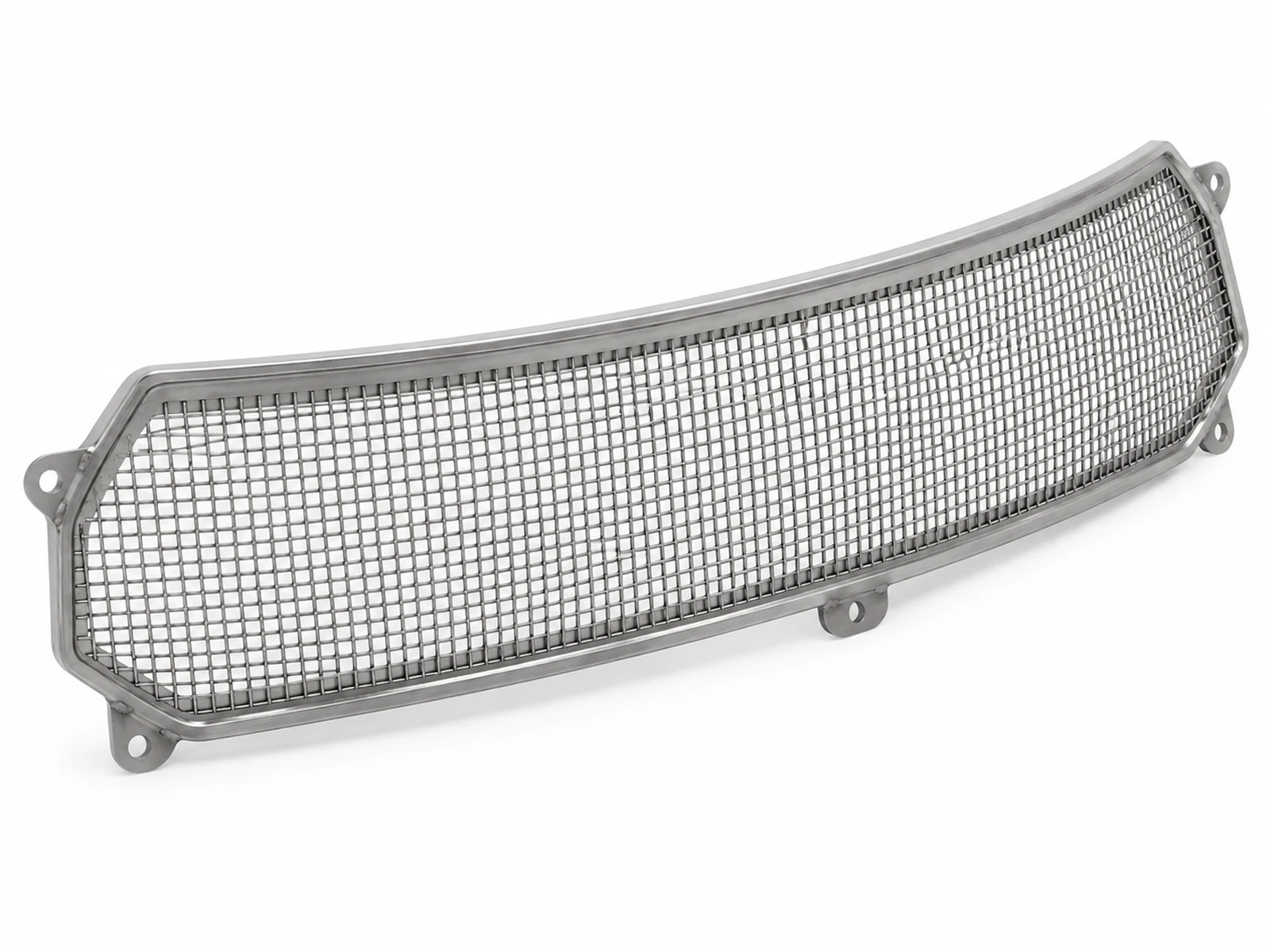
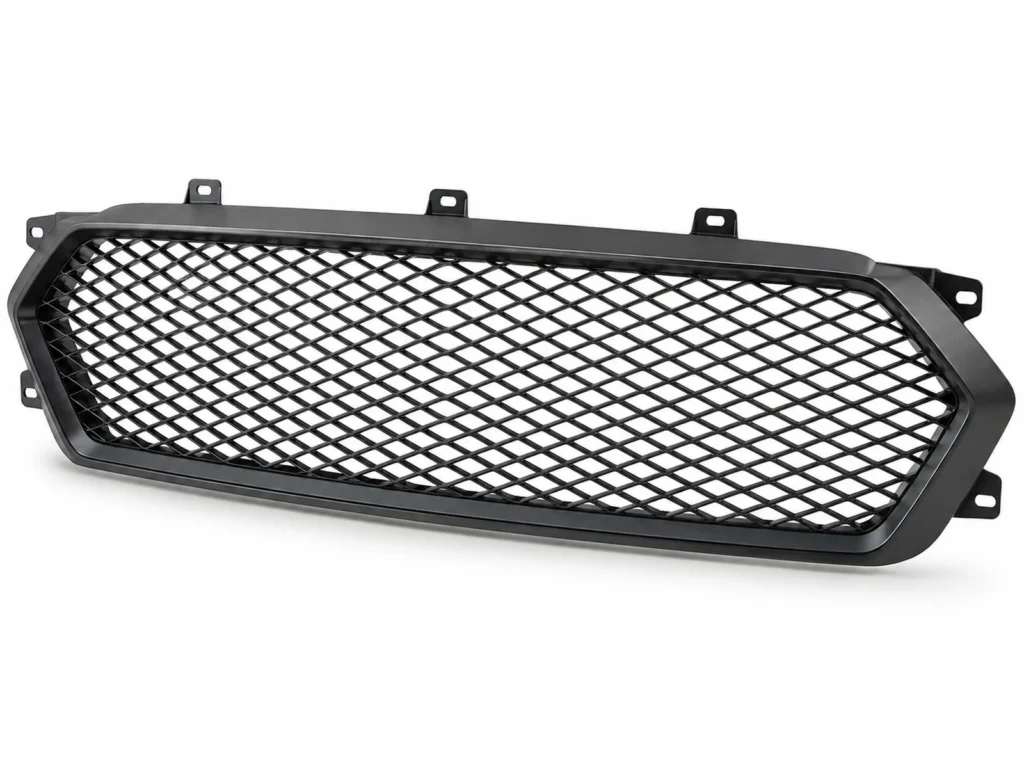
Engine Bay Rodent Guard Mesh for closing the openings rodents use to get into engine bays, air boxes and cabin-filter housings, where they nest and chew soy-based wiring insulation. 3 sizes listed, with technical drawing and quotation.
Customize the parameters below — every spec field is editable, and the drawing redraws to match the values you choose. Changing the size will snap the other fields to that size's standard values; you can then override any individual value.
Sends the selected values to the quote form below.
Request a Quotation for Engine Bay Rodent Guard Mesh
Tell us the specification (mesh count / micron / dimensions), material and quantity you need for Engine Bay Rodent Guard Mesh (Automotive aftermarket) and our team will respond within one business day. Click "Request this configuration" on the drawing above to send the parameters you just chose straight into this form.
Every row below is a starting point for the customizer above — pick any specification row and the drawing will redraw to it.
Opening (mm)
Wire diameter (mm)
Open area (%)
Roll width (mm)
Material
6.4
0.64
82
600
SS304
3.2
0.56
72
600
SS304
12.7
1.00
86
900
Galvanized, PVC coated
Engine Bay Rodent Guard Mesh (Automotive aftermarket) is used for closing the openings rodents use to get into engine bays, air boxes and cabin-filter housings, where they nest and chew soy-based wiring insulation.
Opening size: 6.4 mm (1/4 in) stops rats and most mice; 3.2 mm for juvenile mice.
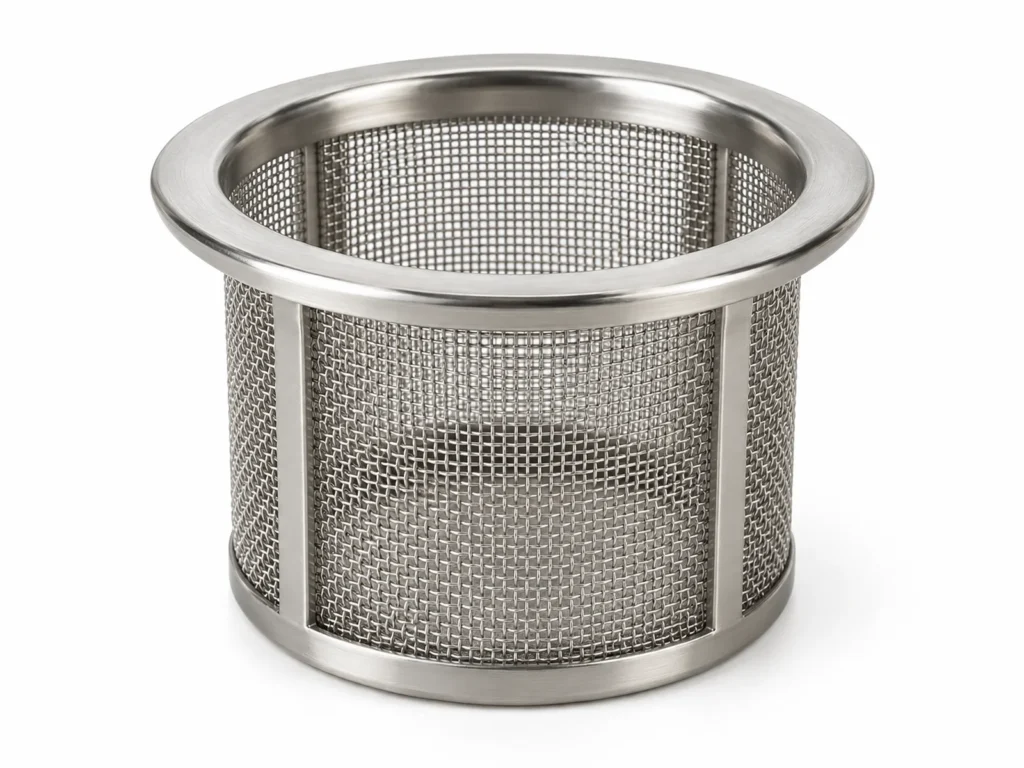
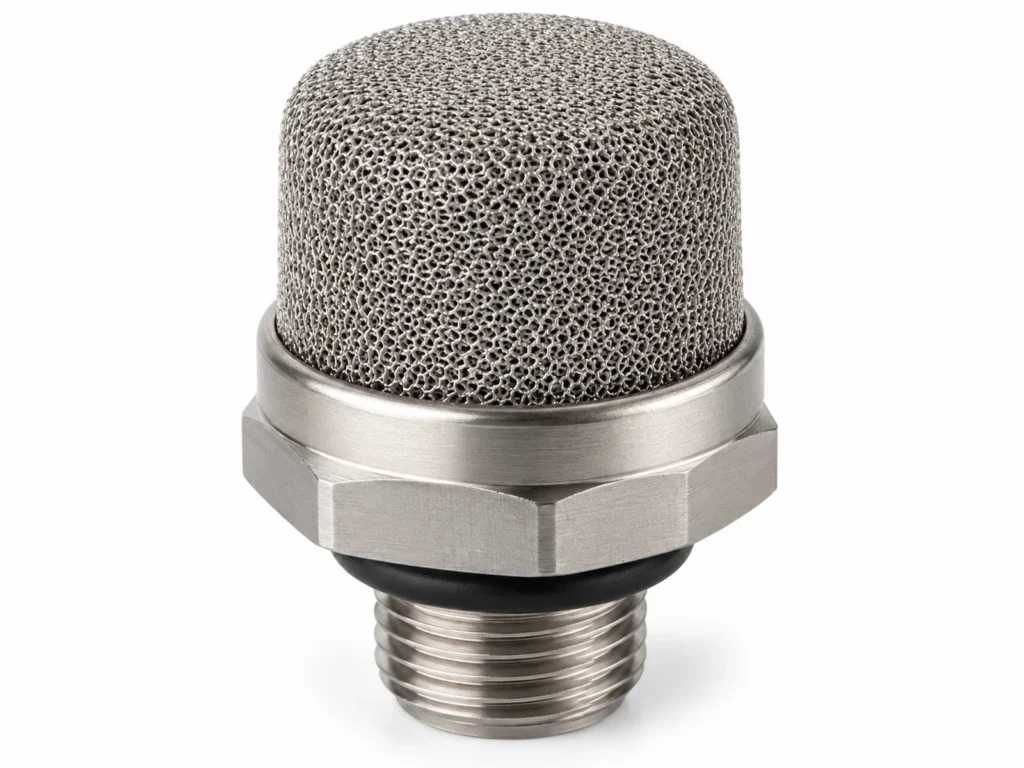
Wire & alloy: SS304 welded mesh at 0.56–0.64 mm wire resists chewing; plastic or aluminum screen does not.
Heat clearance: Keep PVC-coated mesh at least 100 mm from exhaust manifolds and turbochargers.
Materials
Standard supply is stainless steel 304; the material column in the table and the drawing options show the exact grade for each size. Other alloys and finishes can be quoted to your drawing.
Fitting & Care
Cut the mesh 20 mm oversize and fold the edges so there are no sharp wire ends near hoses.
Fix with stainless zip ties or the existing clips; check after every service that the guard was refitted.
Common Mistakes
Covering the cabin air intake with a mesh so fine that it restricts HVAC airflow.
Leaving the gap around the firewall grommets open, which is the route rodents take most often.
When Engine Bay Rodent Guard Mesh Is Not the Right Choice
Not a heat shield and not a substitute for removing nesting material or food sources around a parked vehicle.
Engine Bay Rodent Guard Mesh is made to order as finished parts. Indicative pricing starts from about US$4.50 per piece for a standard size at production quantity; the final price depends on size, material, finish, tooling and order volume. Send your configuration from the drawing above for a quotation.
Engine Bay Rodent Guard Mesh — Automotive aftermarket
Closing the openings rodents use to get into engine bays, air boxes and cabin-filter housings, where they nest and chew soy-based wiring insulation.
Does stainless steel mesh stop rodents chewing car wiring?
Yes — rodents cannot chew through stainless welded mesh, so closing intake openings keeps them out of the bay.
What mesh opening keeps mice out of an engine bay?
About 6 mm stops rats and adult mice; use 3 mm where juvenile mice are a problem.
Where should rodent mesh be installed on a car?
Over the cabin air intake, air-box inlet and any large openings in the under-tray.
What specifications are available for Engine Bay Rodent Guard Mesh?
The table on this page lists 3 standard specifications for Engine Bay Rodent Guard Mesh, from 6.4 to 12.7. Specifications outside the table — custom mesh counts, wire diameters, roll widths and fabricated pieces — can be quoted on request.
How do I request a quotation?
Use the parametric drawing on this page to set the exact configuration (specification, material, treatment) and click "Request this configuration" — a specialist from custommetalfilters.com will respond within one business day.
Related Mesh Products
Closely related constructions in Automotive Mesh & Filters — compare aperture range, open area and cleanability.
This website uses only necessary and functional cookies to operate, secure, and improve basic website performance.
We do not use advertising cookies, Google Analytics, or cross-site tracking technologies.
Privacy Policy