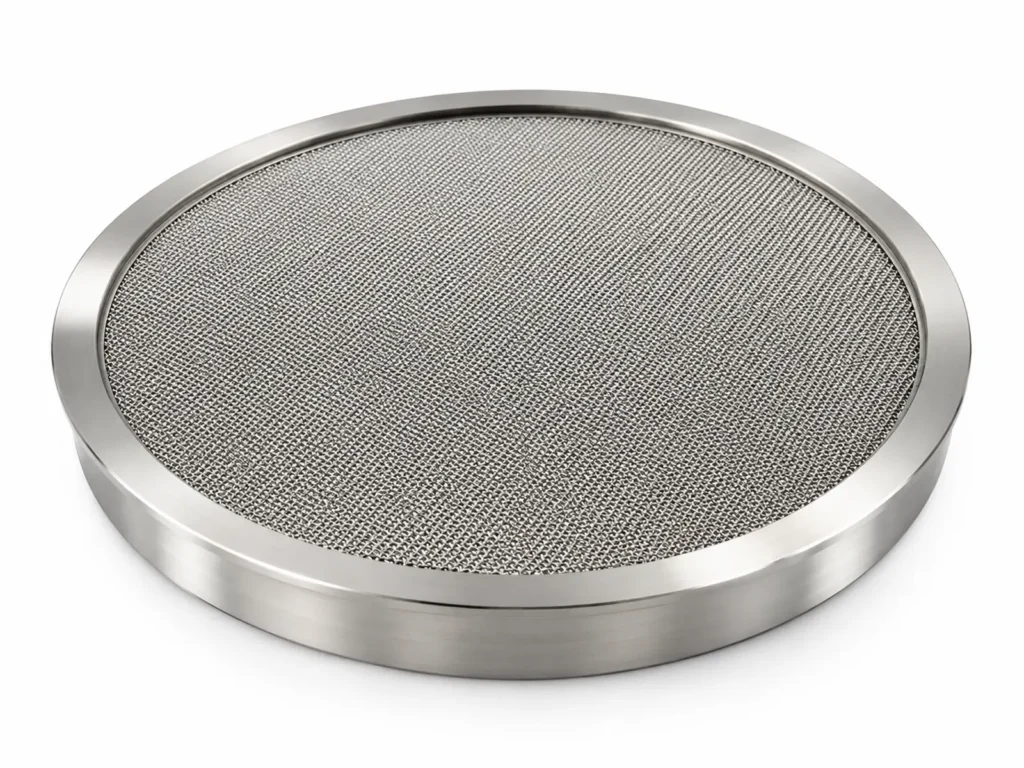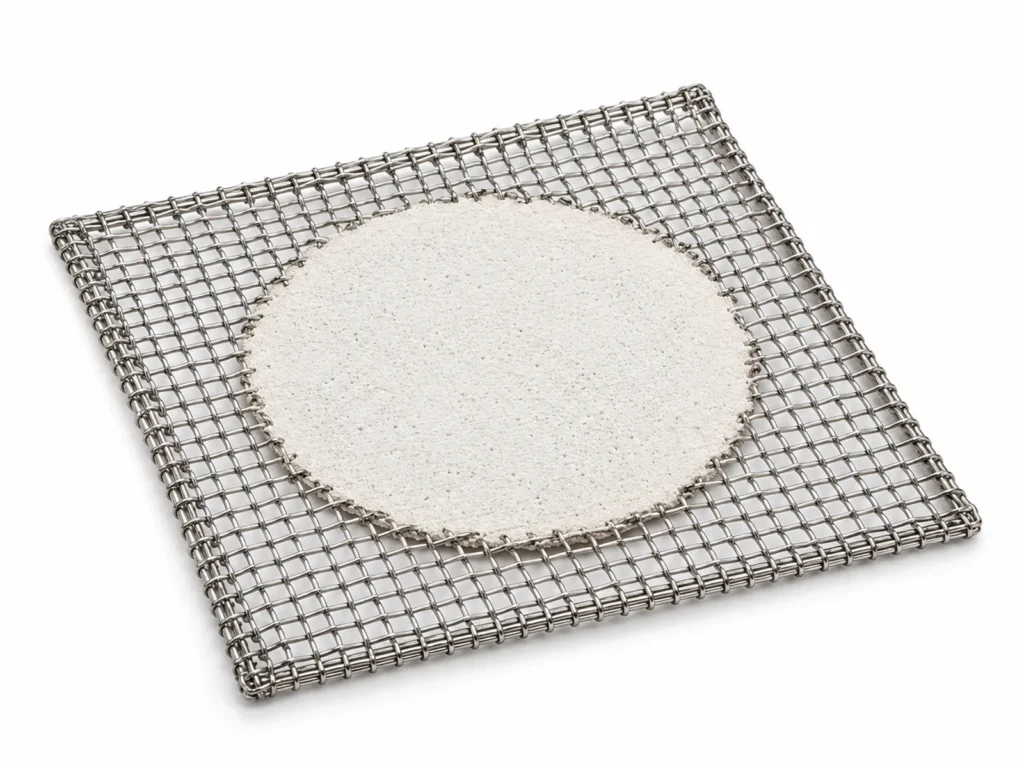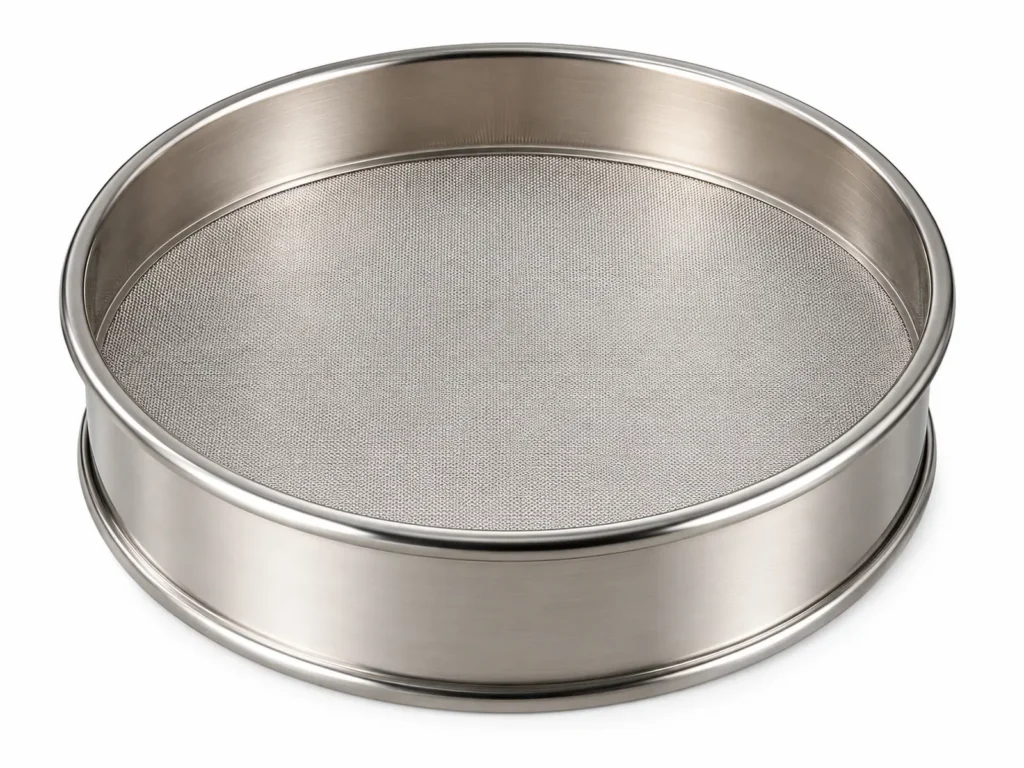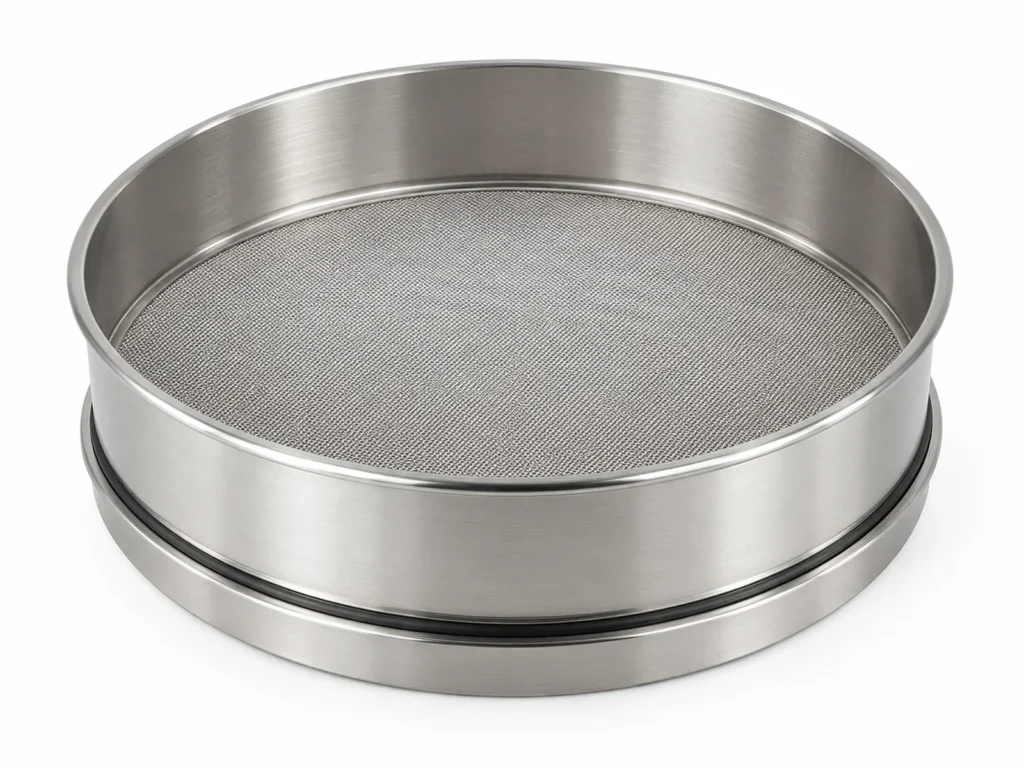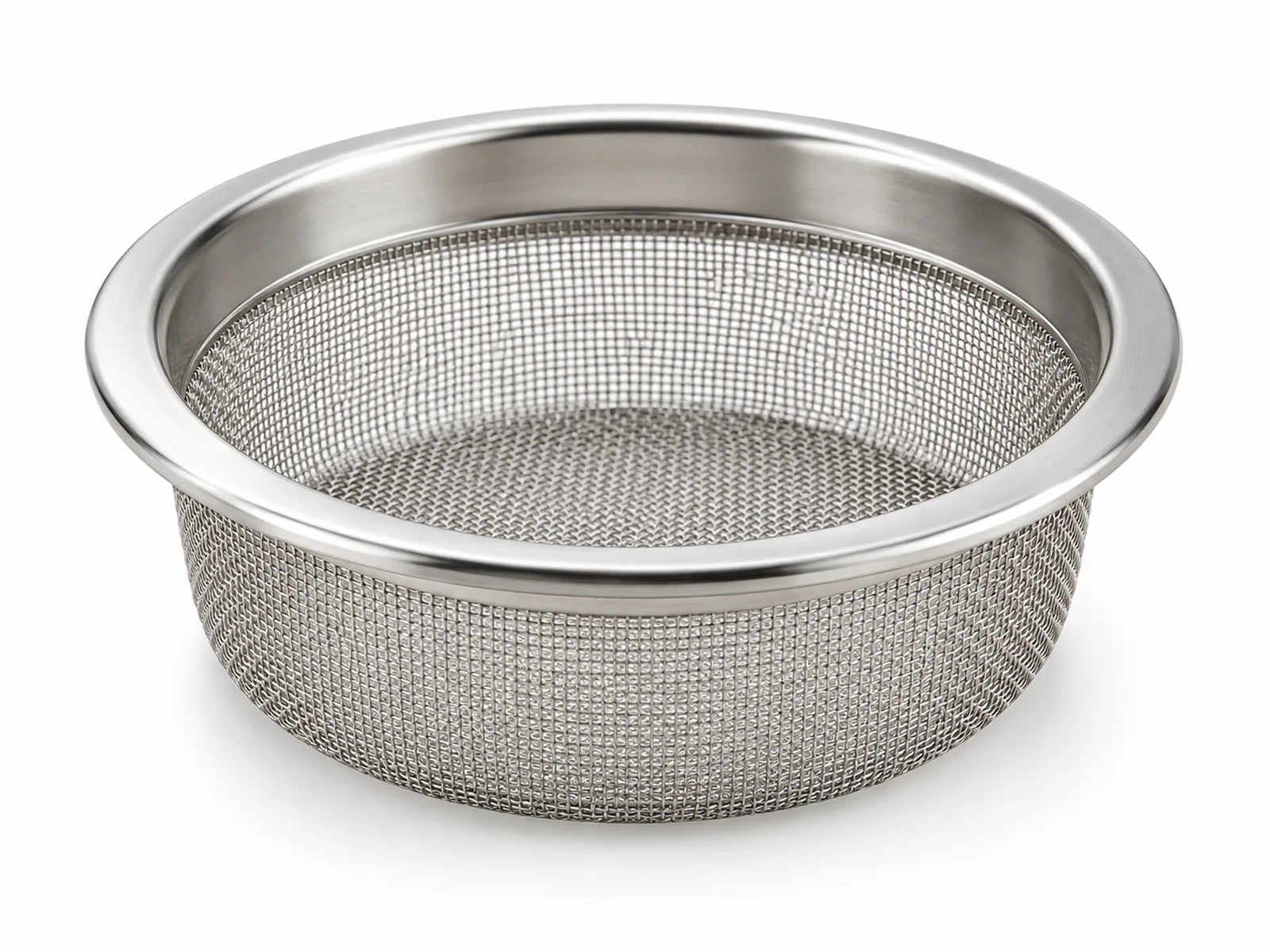
Stainless Tissue & Cell Dissociation Sieve is used for pressing tissue through, and straining cell suspensions with, autoclavable stainless mesh as a reusable alternative to plastic cell strainers. ISO 3310-1 cloth is the reference cited for it on drawings, datasheets and purchase orders.
What ISO 3310-1 cloth Means for Stainless Tissue & Cell Dissociation Sieve
The dimensions in the table below are supplied to suit ISO 3310-1 cloth. Where the standard sets requirements for the finished appliance, device or system, compliance testing of that assembly stays with its manufacturer; we supply the metal mesh part to the drawing and can provide material certificates and dimensional reports with the shipment.
Stainless Tissue & Cell Dissociation Sieve Dimensions
| Size | Top diameter (mm) | Depth (mm) | Aperture (mm) | Mesh |
|---|---|---|---|---|
| 40 u00b5m | 75 | 25 | 0.040 | 400-Mesh SS316 |
| 70 u00b5m | 75 | 25 | 0.070 | 200-Mesh SS316 |
| 100 u00b5m | 75 | 25 | 0.100 | 150-Mesh SS316 |
| 250 u00b5m | 75 | 25 | 0.250 | 60-Mesh SS316 |
Specifying Stainless Tissue & Cell Dissociation Sieve Beyond the Standard
- Aperture: 40, 70, 100 or 250 µm to match the cell or fragment size.
- Format: 75 mm diameter fits standard dishes.
- Material: SS316 withstands repeated autoclave cycles.
When Stainless Tissue & Cell Dissociation Sieve Is Not the Right Choice
Not for sterile filtration of liquids; use a 0.22 µm membrane for that.