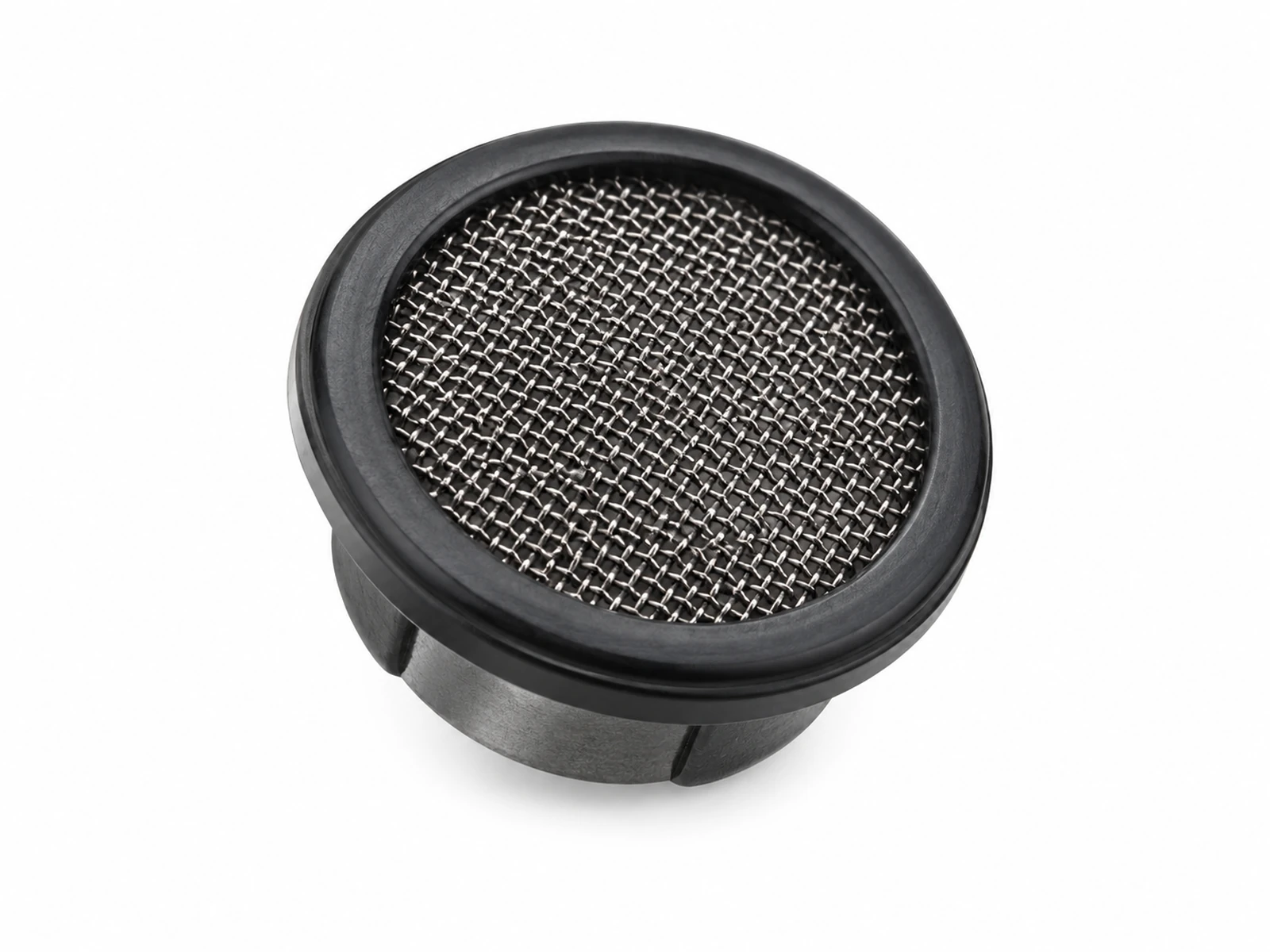
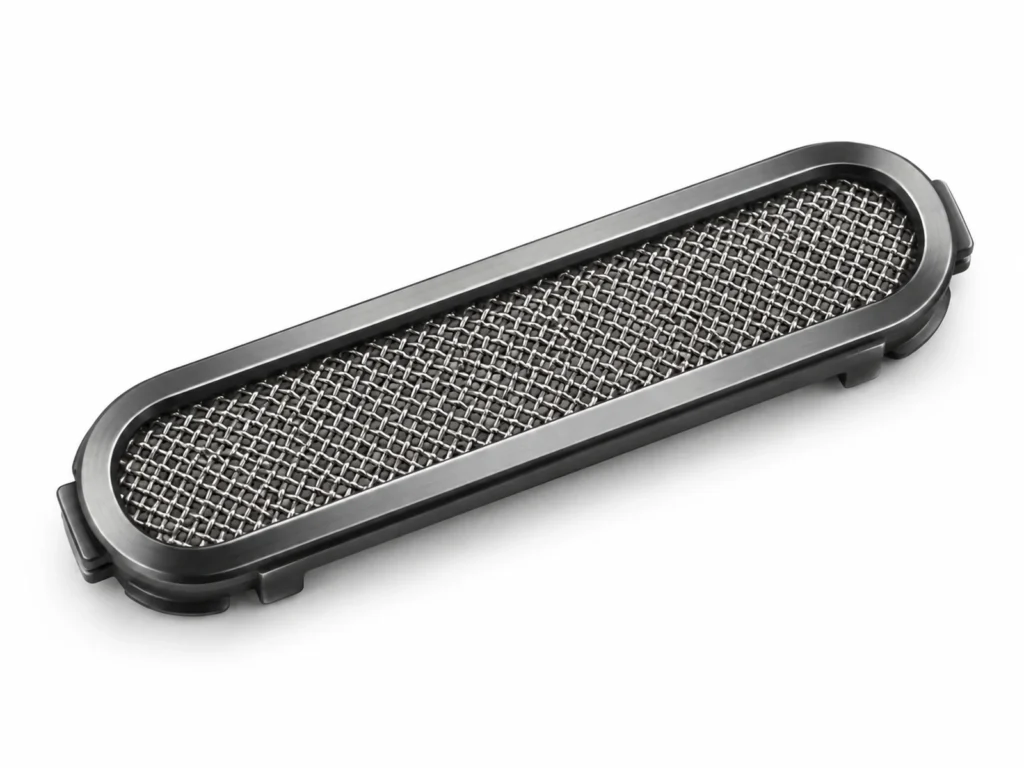
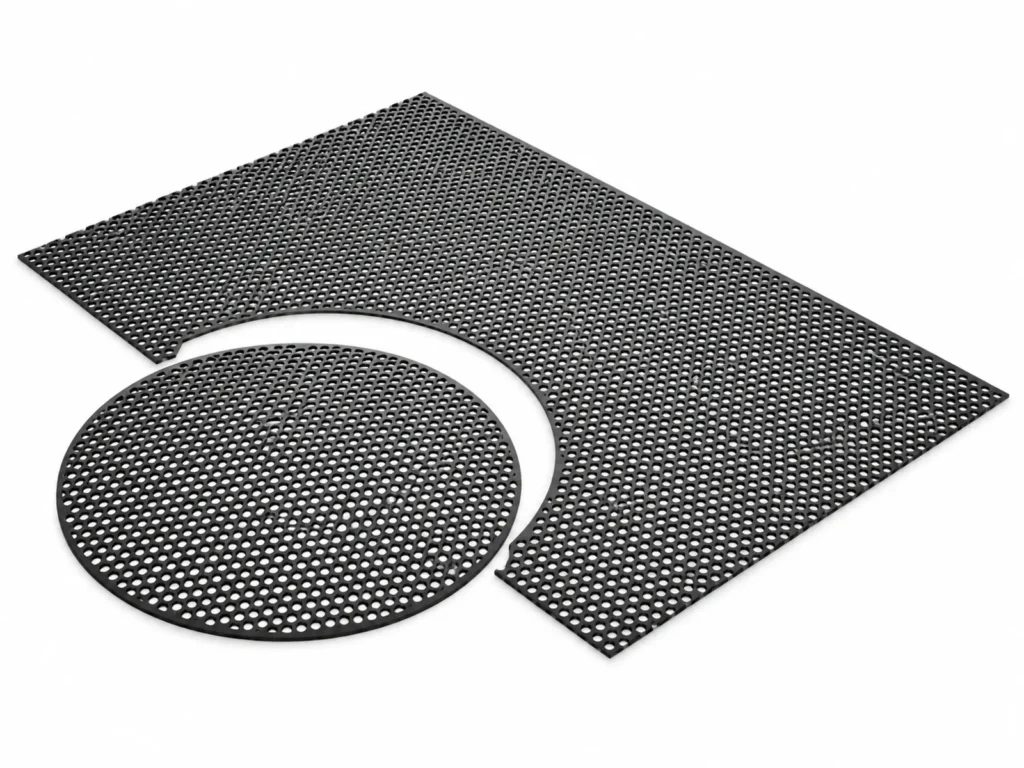
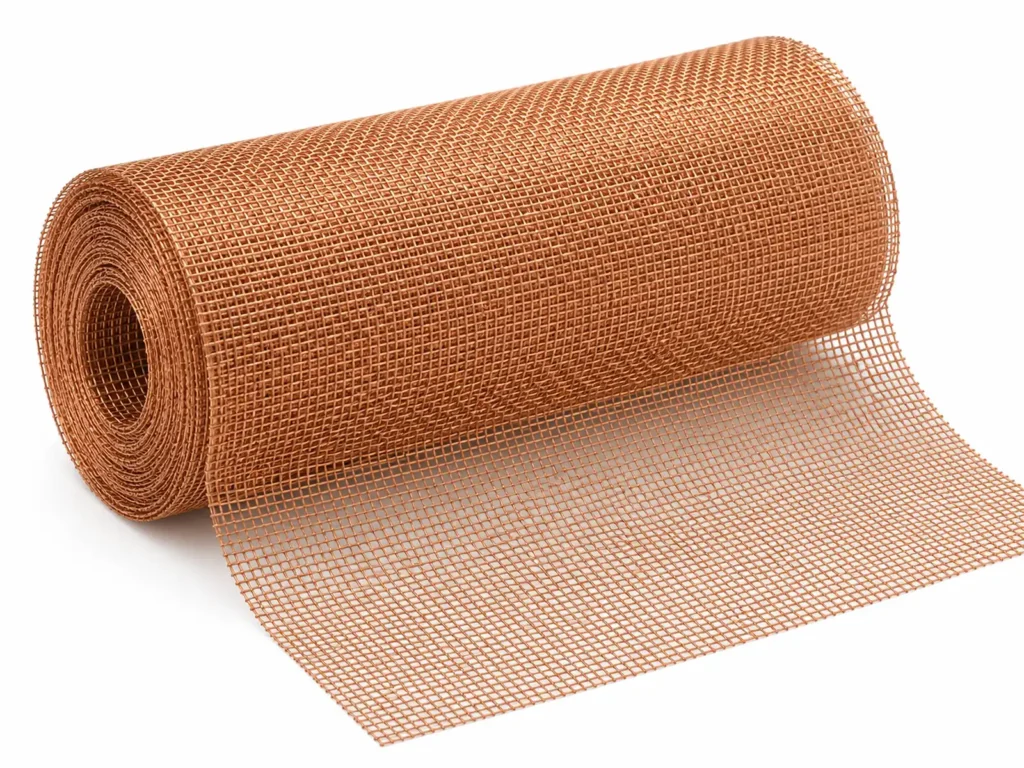
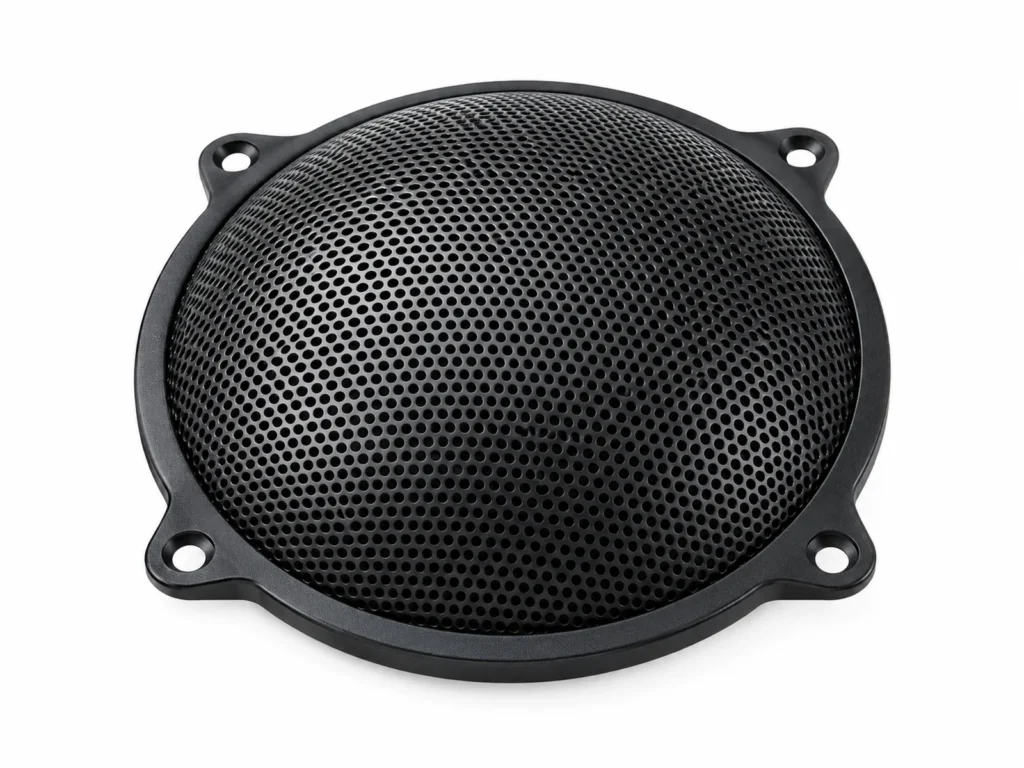
Earbud & Headphone Nozzle Mesh in 304 Stainless Steel (AISI 304 (1.4301)) is used for covering the sound nozzle of earbuds and the driver opening of headphones so earwax and debris stay out while the high-frequency response is tuned. The alloy gives good general corrosion resistance in atmosphere and fresh water and is essentially non-magnetic (annealed), with a practical service limit of approx. +450 °C continuous.
Alloy Properties
| Grade designation | AISI 304 (1.4301) |
|---|
| Magnetic response | Essentially non-magnetic (annealed) |
|---|
| Service temperature | approx. +450 °C continuous |
|---|
| Corrosion characteristic | Good general corrosion resistance in atmosphere and fresh water |
|---|
Specifications of Earbud & Headphone Nozzle Mesh Available in 304 Stainless Steel
| Part | Length (mm) | Width (mm) | Thickness (mm) | Hole diameter (mm) | Open area (%) | Acoustic resistance (MKS Rayl) |
|---|
| Nozzle u00d84.5 | 4.5 | 4.5 | 0.06 | 0.050 | 24 | 100 |
| Nozzle u00d85.5 | 5.5 | 5.5 | 0.06 | 0.050 | 24 | 100 |
| Nozzle u00d86.5 | 6.5 | 6.5 | 0.08 | 0.060 | 28 | 75 |
| Over-ear u00d840 | 40.0 | 40.0 | 0.10 | 0.100 | 35 | 30 |
Where 304 Stainless Steel Earbud & Headphone Nozzle Mesh Is Used
- TWS earbud OEMs: stamped or etched nozzle meshes that double as the visible acoustic grille.
- Over-ear & on-ear headphones: driver-front meshes that protect diaphragms and damp the treble peak.
- Hearing protection & musician earplugs: calibrated meshes that set attenuation.
- Accessory brands: replacement wax guards and nozzle filters for popular earbuds.
Ordering Earbud & Headphone Nozzle Mesh in 304 Stainless Steel
- Nozzle fit: Match diameter to the nozzle bore (commonly 4.5–6.5 mm) and specify flat or domed.
- Acoustic damping: The mesh Rayl value sets how much the 6–10 kHz peak is softened; quote the frequency response target.
- Color & finish: Black oxide or PVD makes the mesh visually disappear behind tinted housings.
Mistakes to Avoid with Earbud & Headphone Nozzle Mesh
- Fitting any mesh that fits the nozzle — a different Rayl value changes the sound signature noticeably.
- Glue squeezing into the open area, which partially blocks the mesh and dulls treble.