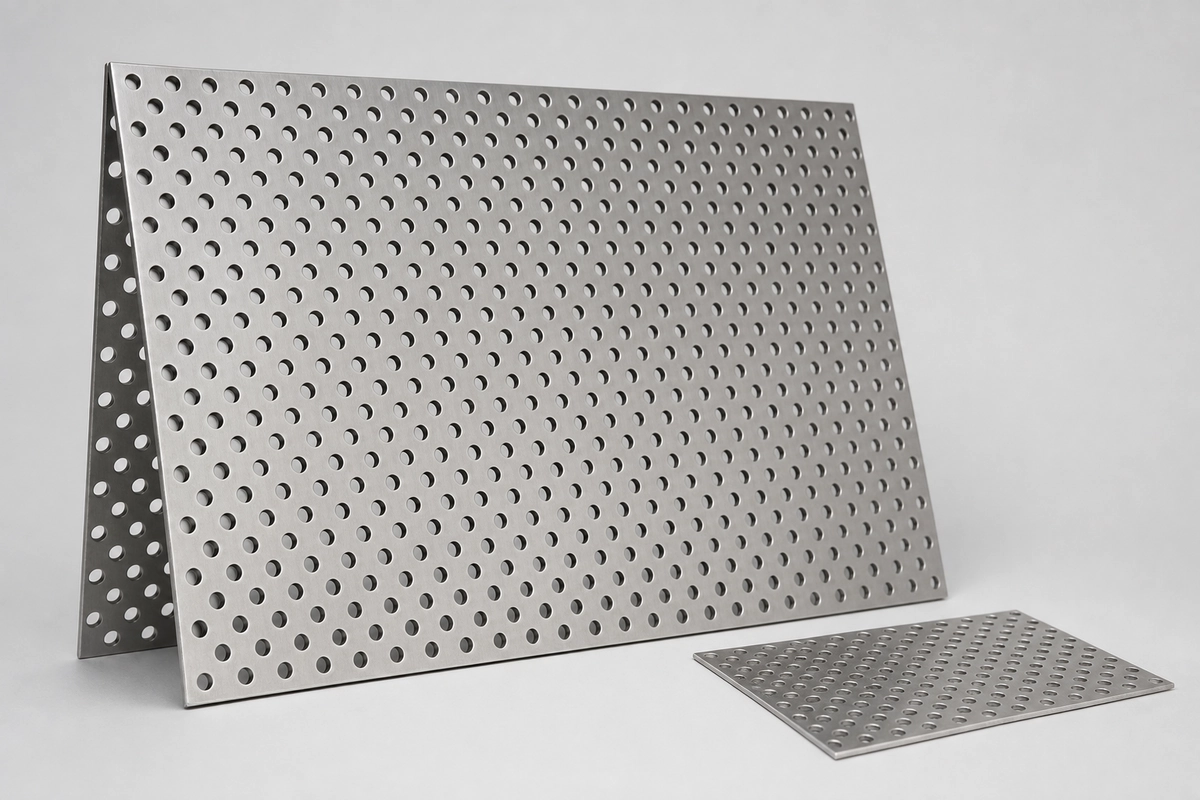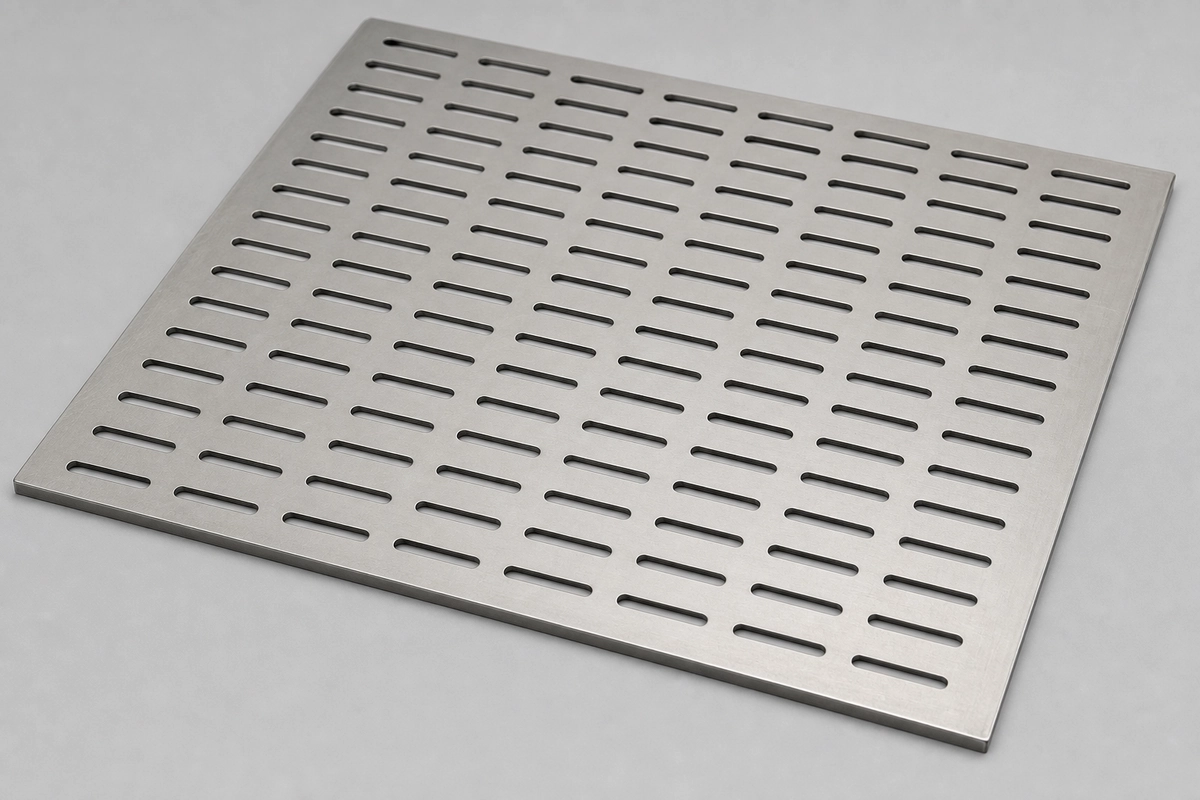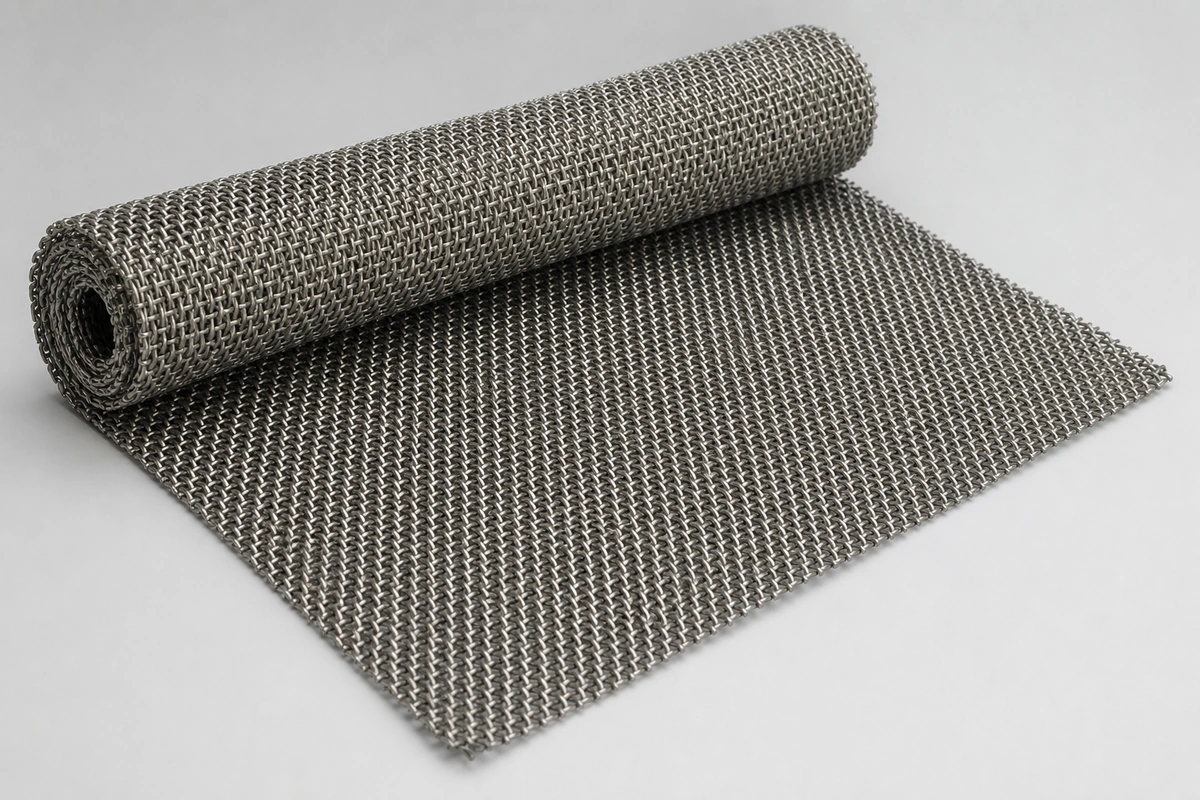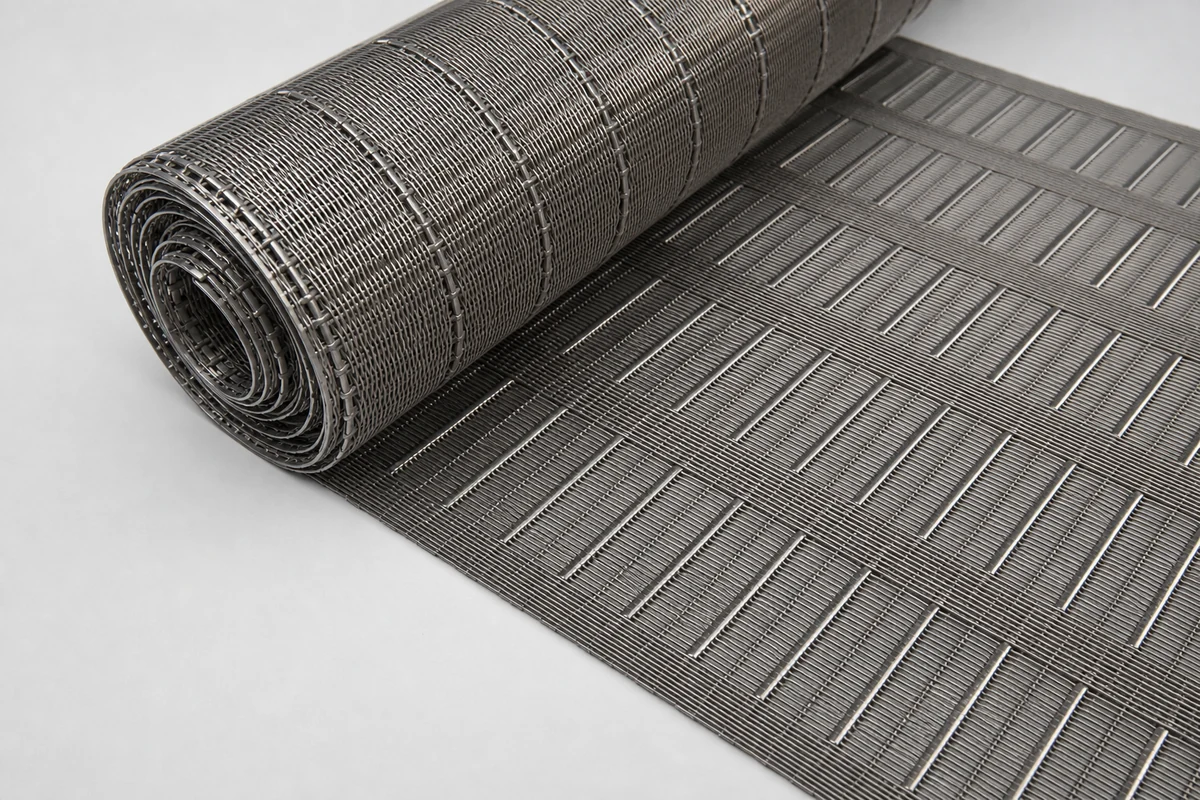
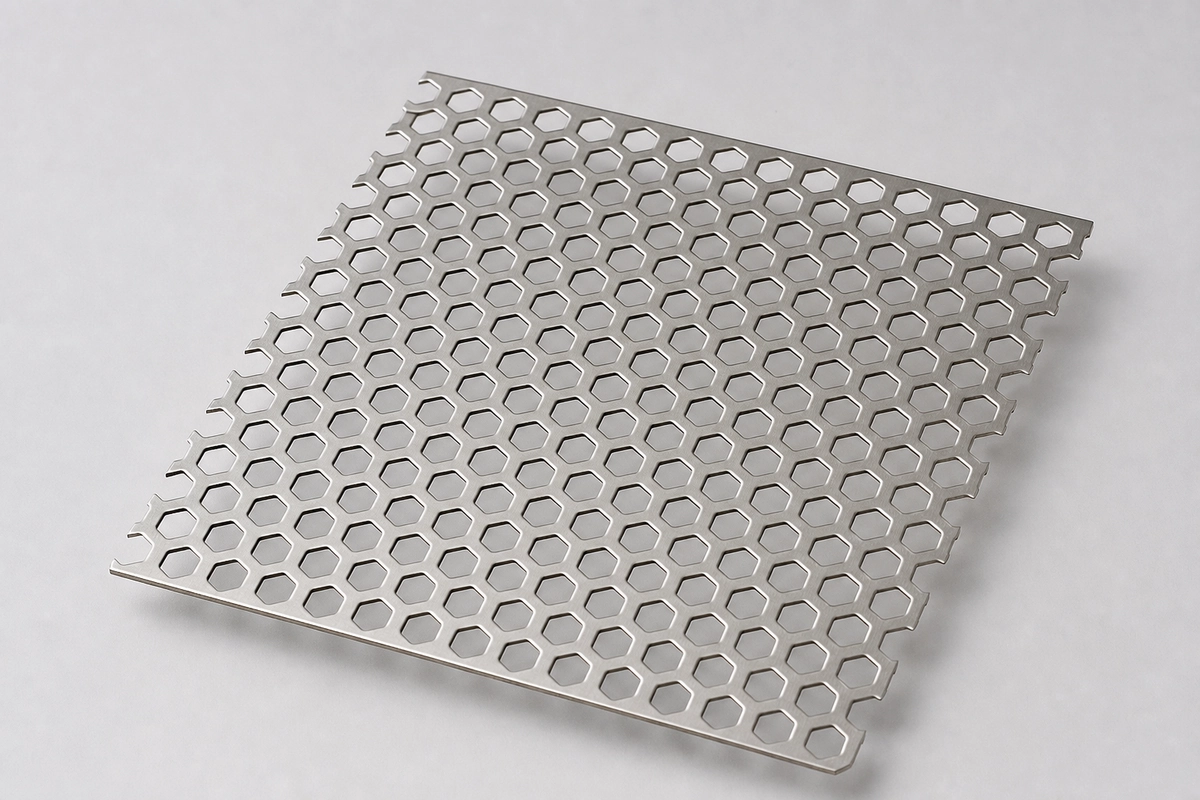
Pure Copper hexagonal hole perforated sheet combines the construction of hexagonal hole perforated sheet (DIN 24041 (Hv)) with the properties of C11000: good atmospheric resistance with a stable patina; outstanding conductivity, non-magnetic, service to approx. +200 °C. This page summarizes the grade data, its behavior in filtration service, comparable alloys, and the specifications supplied.
Why Choose Pure Copper for Hexagonal Hole Perforated Sheet
The EMI/RFI shielding and Faraday-cage mesh material. For hexagonal hole perforated sheet, this matters when good atmospheric resistance with a stable patina; outstanding conductivity is the controlling requirement.
Alloy Properties
| Grade designation | C11000 |
|---|---|
| Magnetic response | Non-magnetic |
| Service temperature | approx. +200 °C |
| Corrosion characteristic | Good atmospheric resistance with a stable patina; outstanding conductivity |
Corrosion Behavior in Filtration Service
Copper and brass hexagonal hole perforated sheet resist atmospheric corrosion and fresh water well, tarnishing to a stable patina. Avoid ammonia and ammonium compounds (stress-corrosion cracking of brass) and strong oxidizing acids. In marine service, phosphor bronze outperforms plain brass.
Cleaning & Compatibility
Clean copper-alloy mesh with mild detergent or dilute citric acid; avoid ammonia-based cleaners entirely. In contact with more noble metals in wet service the copper alloy becomes the sacrificial partner — isolate or accept the loss rate.
Specifications of Hexagonal Hole Perforated Sheet Available in Pure Copper
| Across flats (mm) | Pitch (mm) | Open area (%) | Thickness (mm) | Reference standard |
|---|---|---|---|---|
| 3.0 | 4.0 | 51 | 1.0 | DIN 24041 |
| 5.0 | 6.5 | 54 | 1.5 | DIN 24041 |
| 8.0 | 10.0 | 58 | 2.0 | DIN 24041 |
| 10.0 | 12.5 | 58 | 2.0 | DIN 24041 |
| 15.0 | 18.0 | 63 | 3.0 | DIN 24041 |