Skip to content

Sintered Mesh · ISO 4022

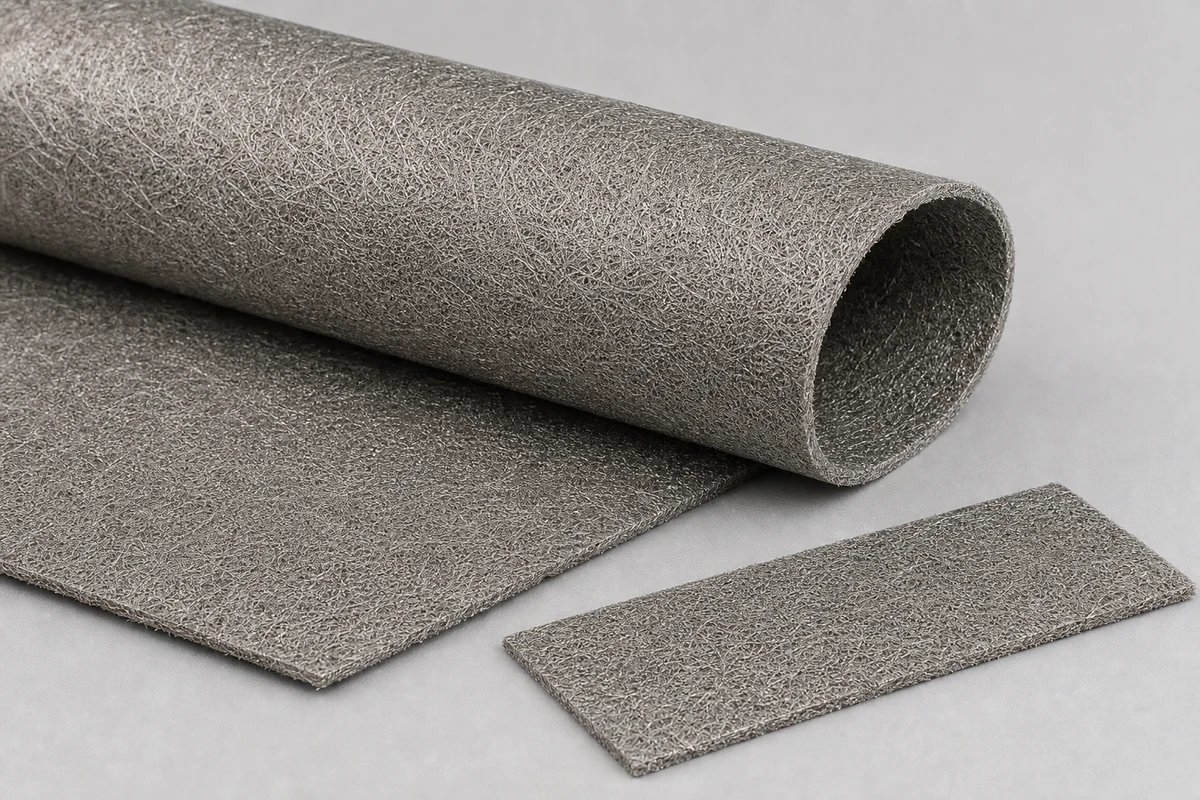
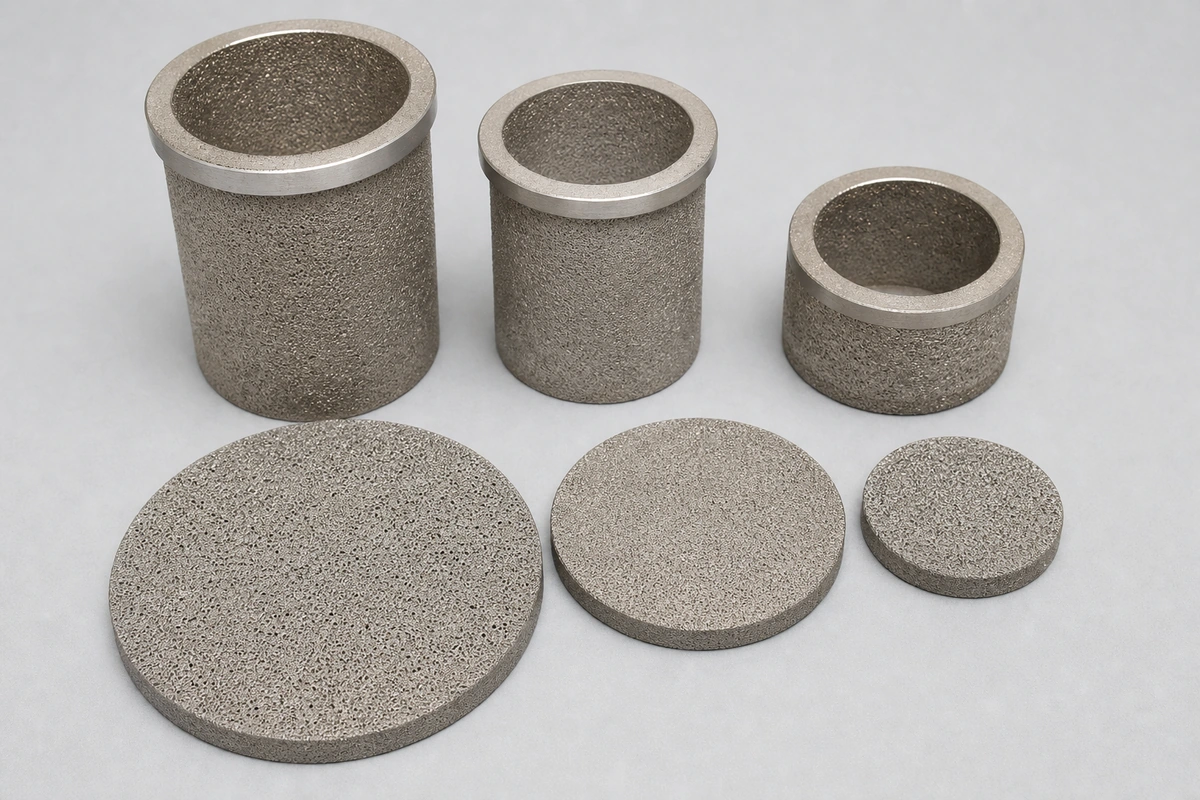
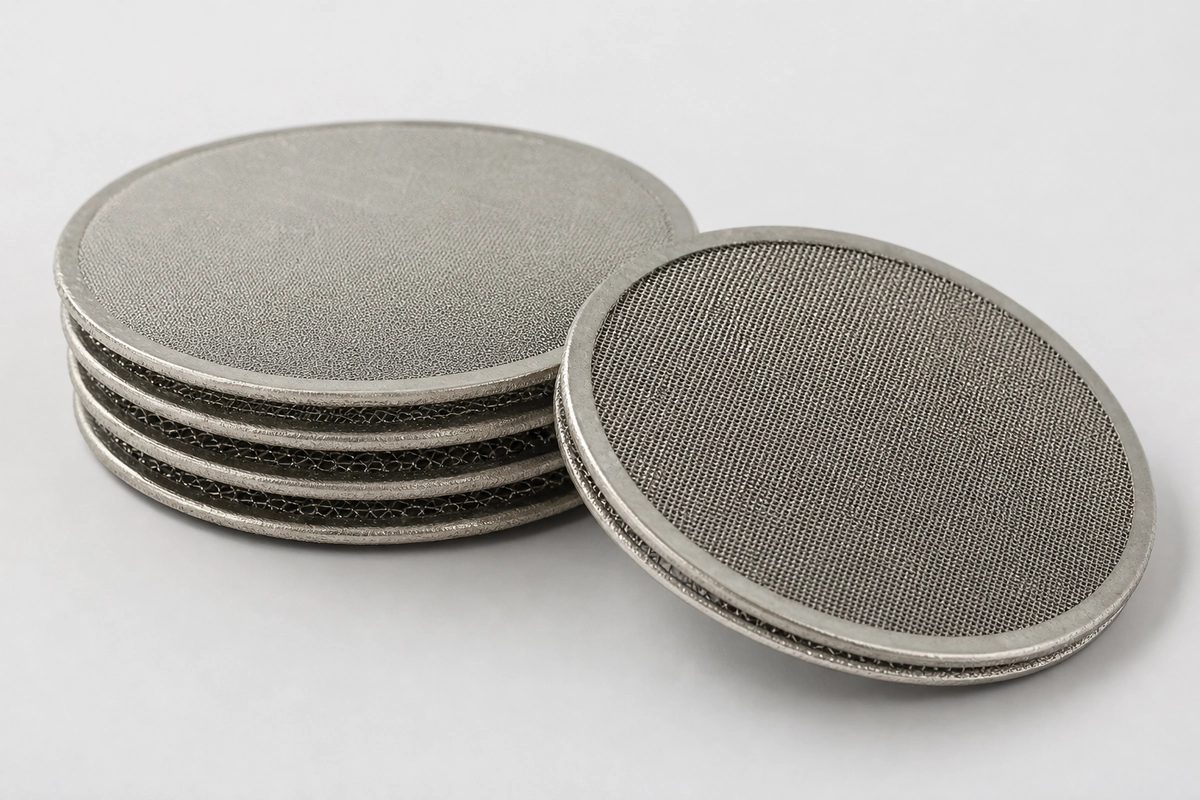
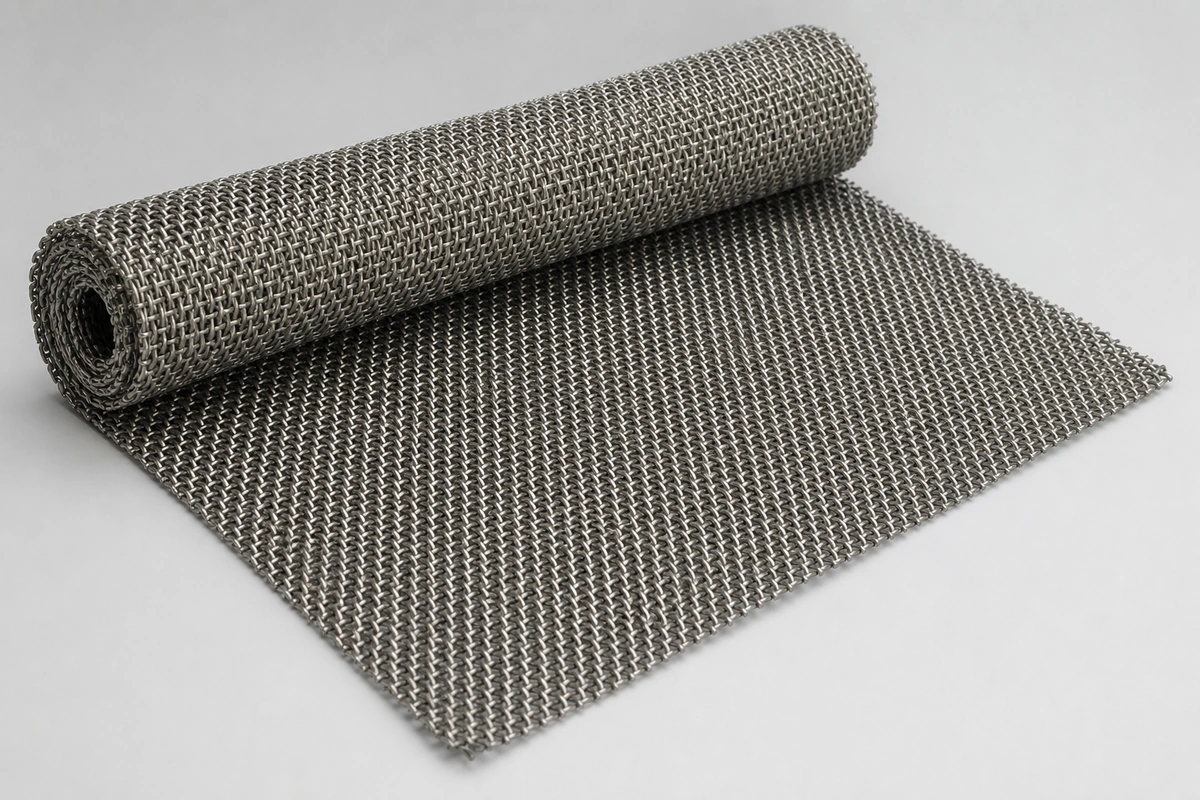
Pure Copper Five-Layer Sintered Mesh

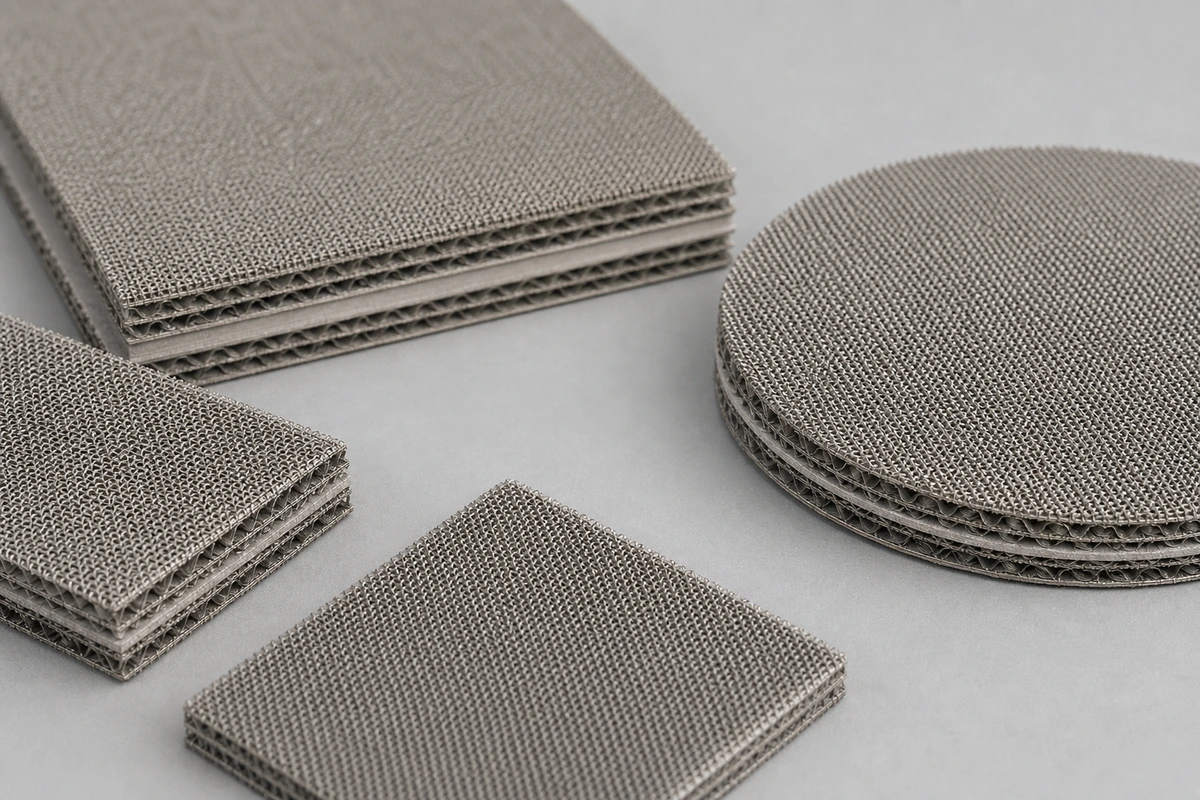
Pure Copper Five-Layer Sintered Mesh reference image

Material page for five-layer sintered mesh in Pure Copper. The EMI/RFI shielding and Faraday-cage mesh material. Covers the grade designation (C11000), corrosion and magnetic behavior, cleaning and compatibility notes, and the specifications available.

Why Choose Pure Copper for Five-Layer Sintered Mesh

The EMI/RFI shielding and Faraday-cage mesh material. For five-layer sintered mesh, this matters when good atmospheric resistance with a stable patina; outstanding conductivity is the controlling requirement.

Alloy Properties

Grade designationC11000
Magnetic responseNon-magnetic
Service temperatureapprox. +200 °C
Corrosion characteristicGood atmospheric resistance with a stable patina; outstanding conductivity

Corrosion Behavior in Filtration Service

Copper and brass five-layer sintered mesh resist atmospheric corrosion and fresh water well, tarnishing to a stable patina. Avoid ammonia and ammonium compounds (stress-corrosion cracking of brass) and strong oxidizing acids. In marine service, phosphor bronze outperforms plain brass.

Comparable Alloys

Within the copper family: brass for economy and appearance, phosphor bronze for fatigue strength and marine air, pure copper where conductivity (EMI shielding) is the point. For structural filtration duties, stainless 304/316 is the usual alternative.

Specifications of Five-Layer Sintered Mesh Available in Pure Copper

Micron rating (u00b5m)Thickness (mm)LayersStandard sheet (mm)Reference standard
11.75500 x 1000ISO 4022 permeability
21.75500 x 1000ISO 4022 permeability
51.75600 x 1200ISO 4022 permeability
101.75600 x 1200ISO 4022 permeability
201.75600 x 1200ISO 4022 permeability
401.75600 x 1200ISO 4022 permeability
601.75600 x 1200ISO 4022 permeability
1001.75600 x 1200ISO 4022 permeability

Technical Drawing

Customize the parameters below — every spec field is editable, and the drawing redraws to match the values you choose. Changing the size will snap the other fields to that size's standard values; you can then override any individual value.

Sends the selected values to the quote form below.

Request a Quote

Adjust the parameters in the drawing above and click "Request this configuration" to send the exact specification straight to this form.

Request a Quotation

Specification
Business Information

Dimensions & Specifications (ISO 4022)

Micron rating (u00b5m)Thickness (mm)LayersStandard sheet (mm)Reference standard
11.75500 x 1000ISO 4022 permeability
21.75500 x 1000ISO 4022 permeability
51.75600 x 1200ISO 4022 permeability
101.75600 x 1200ISO 4022 permeability
201.75600 x 1200ISO 4022 permeability
401.75600 x 1200ISO 4022 permeability
601.75600 x 1200ISO 4022 permeability
1001.75600 x 1200ISO 4022 permeability

Frequently Asked Questions

When is Pure Copper worth the premium over stainless?

Specify Pure Copper when the datasheet chemistry rules stainless out — good atmospheric resistance with a stable patina; outstanding conductivity. For everything else, 316L is usually the economic choice.

Can Pure Copper five-layer sintered mesh be welded into frames?

Yes — spot, TIG and plasma welding are standard for framing and edging. Use matching filler, keep heat input low to protect the fine wires, and re-passivate stainless after fabrication.

Is Pure Copper five-layer sintered mesh magnetic?

Pure Copper five-layer sintered mesh is non-magnetic. Note that heavy cold-working during weaving can make austenitic stainless slightly magnetic at the wire surface.

What corrosion resistance does Pure Copper offer?

Pure Copper provides good atmospheric resistance with a stable patina; outstanding conductivity, with a practical service range of approx. +200 °C.

How do I request a quotation?

Use the technical drawing on this page to pick the exact specification, then submit it with the quote form. We respond within one business day.