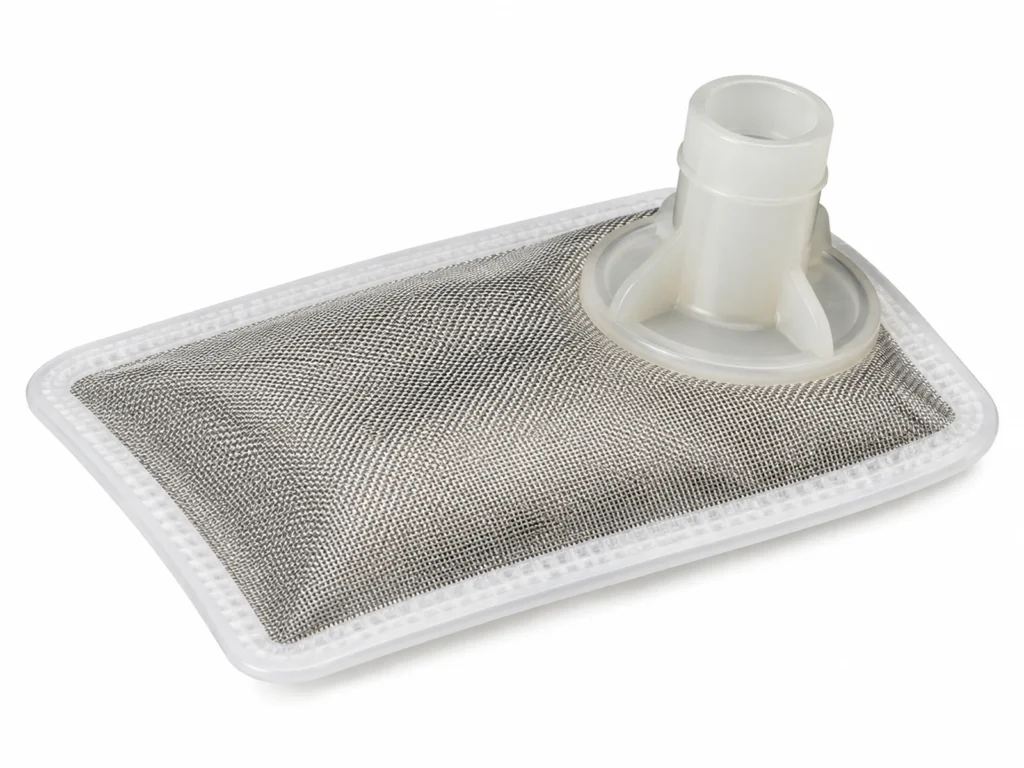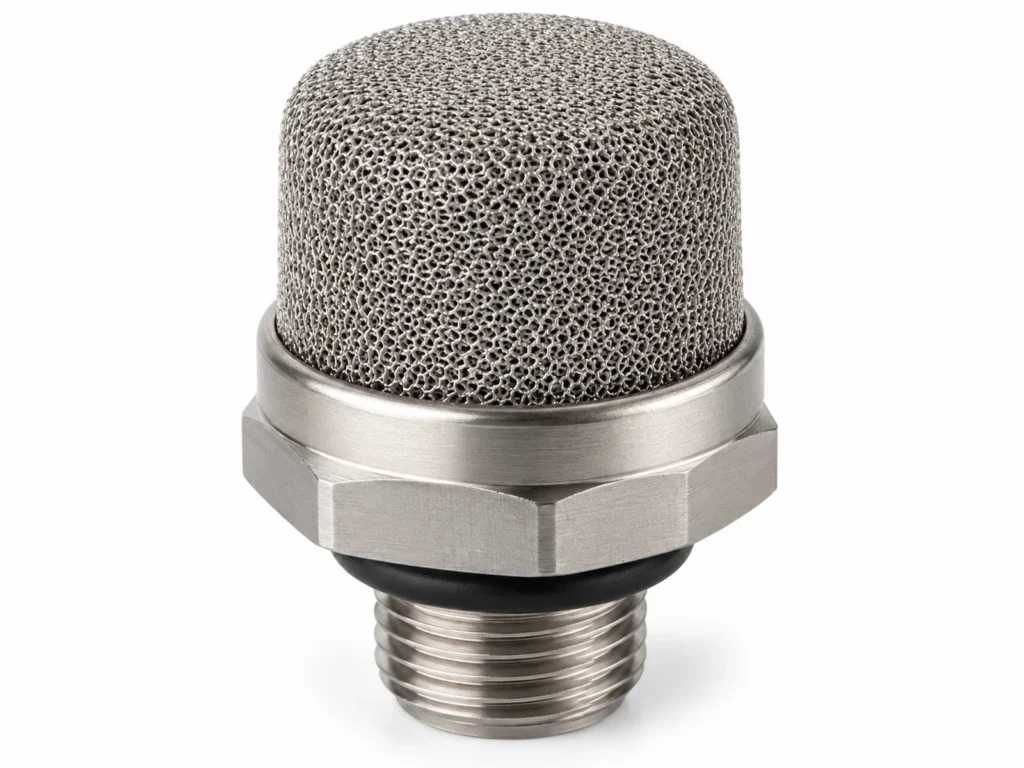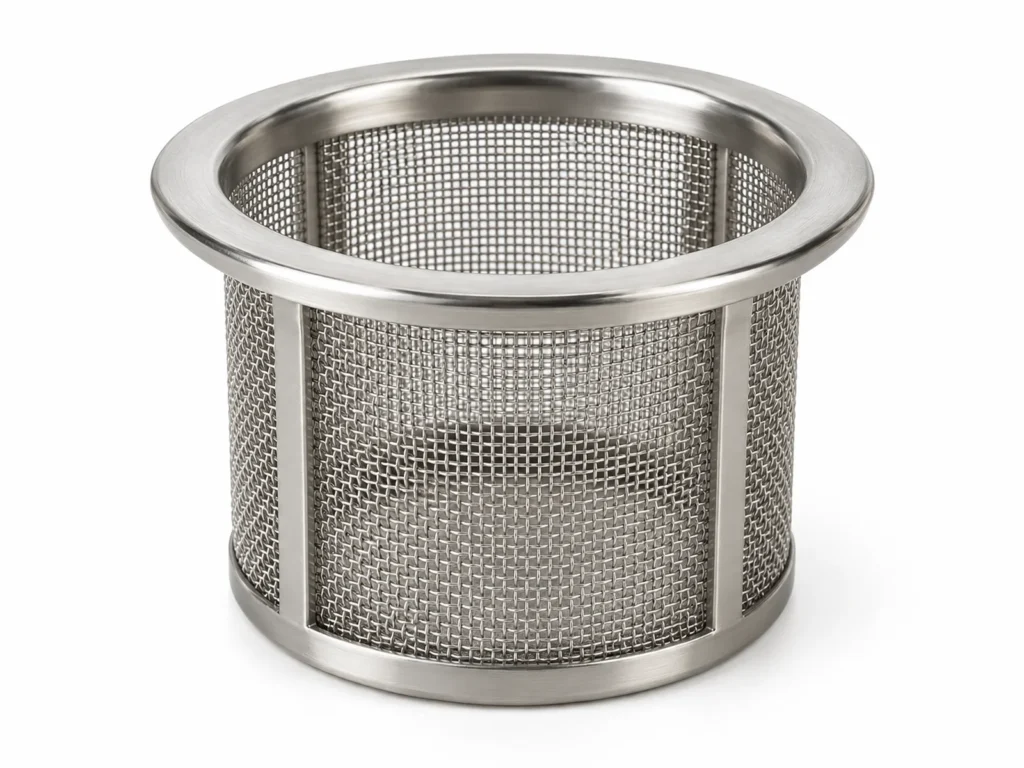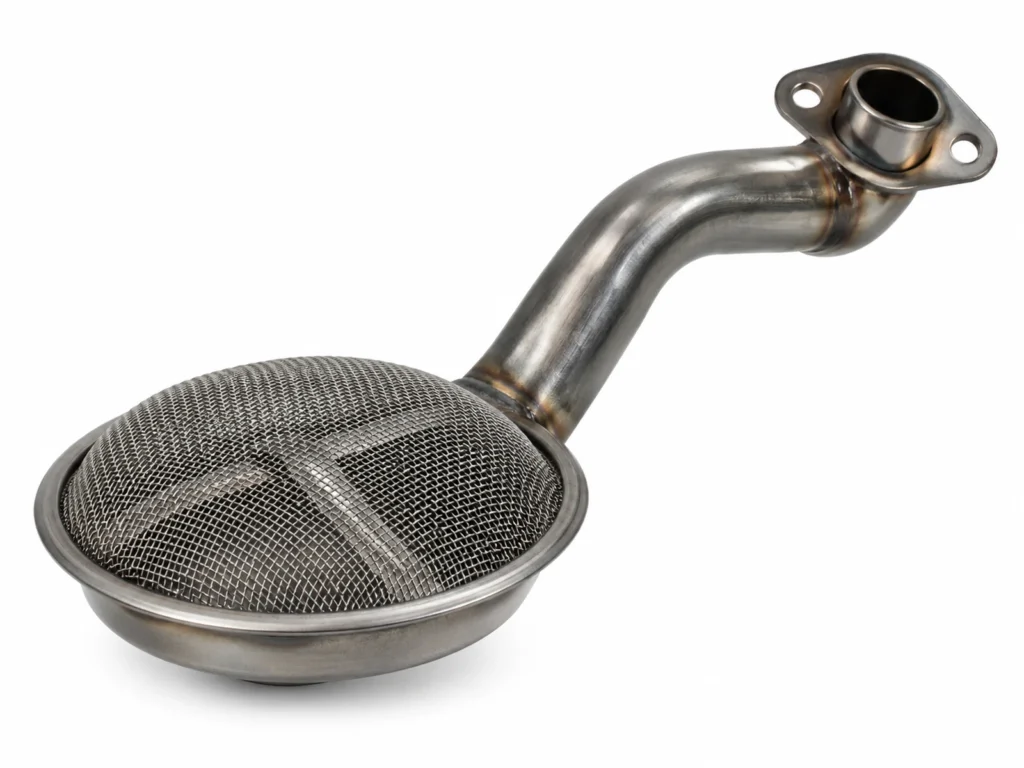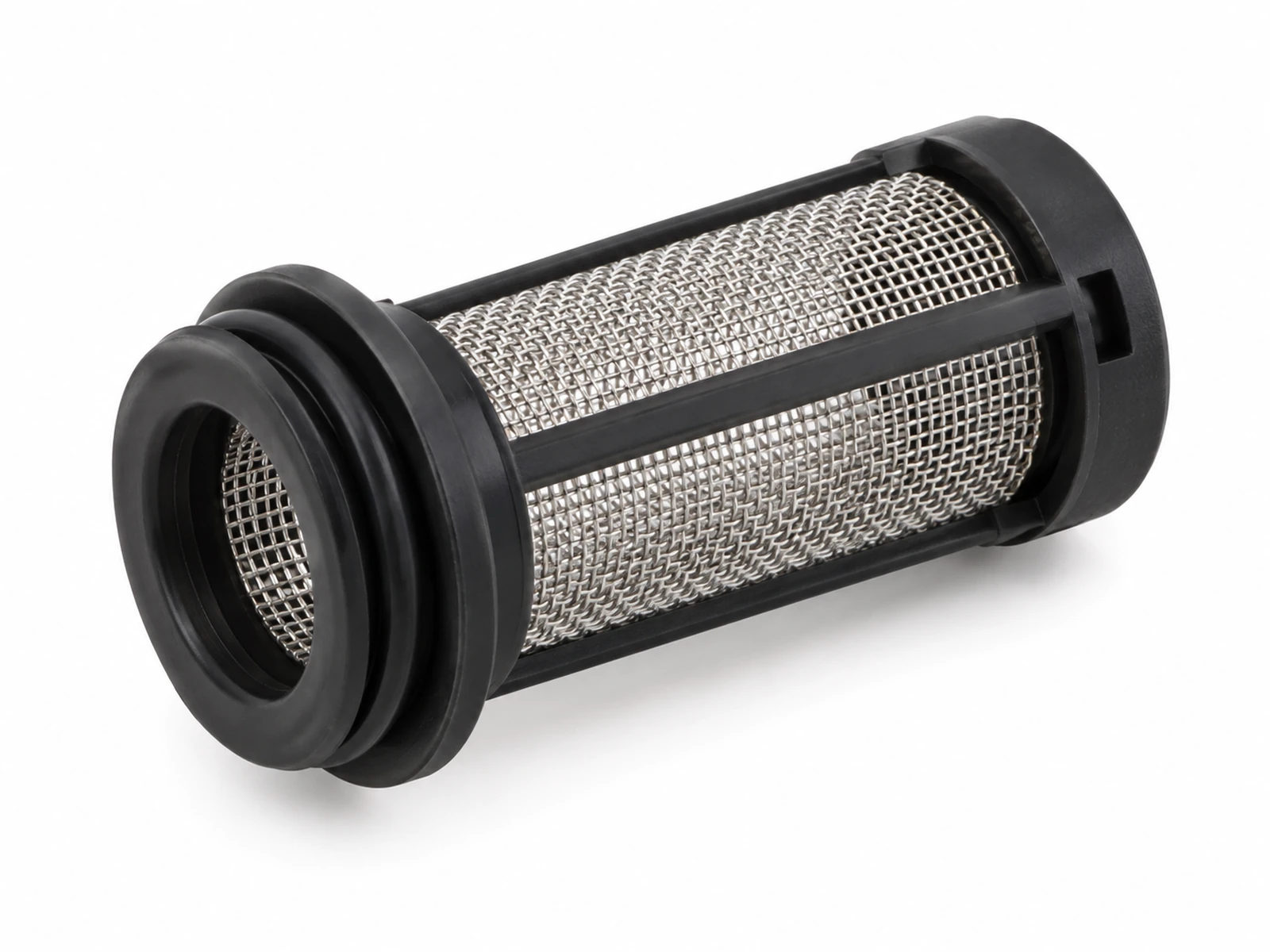
Windshield Washer Pump Strainer is selected when an assembly or process calls for keeping leaves, sediment and broken ice out of windshield washer pumps so the jets and pump impeller stay clear. This application guide to the Automotive OEM type covers concrete end-uses, the specification checklist, correct installation, and where an alternative mesh or filter medium performs better.
Typical Applications for Windshield Washer Pump Strainer
Where Windshield Washer Pump Strainer is specified and bought:
- Vehicle OEMs: inlet strainers on washer pumps.
- Aftermarket pump suppliers: pumps with replaceable strainers.
- Bus & coach builders: high-volume washer systems.
- Agricultural & construction cabs: washers used in dusty conditions.
How to Specify Windshield Washer Pump Strainer for Your Application
- Inlet diameter: 10–12 mm push-fit on the pump spigot.
- Mesh: 40-mesh catches debris that blocks jets; 60-mesh for very fine jets.
- Material: SS304 resists washer fluid and antifreeze.
- Standard: Quote Automotive OEM and the size designation from the table on the product page, plus any value you changed in the technical drawing.
Handling & Installation Practice
- Fill only through the reservoir neck screen, not the open tank.
- Inspect the strainer when the spray weakens or the pump runs noisily.
Common Selection Mistakes with Windshield Washer Pump Strainer
- Topping up with untreated water in winter, which freezes and cracks the strainer housing.
- Removing the strainer to restore flow, letting debris jam the impeller.
Where Windshield Washer Pump Strainer Is Not the Right Choice
Not a nozzle filter — blocked jets still need cleaning at the nozzle.