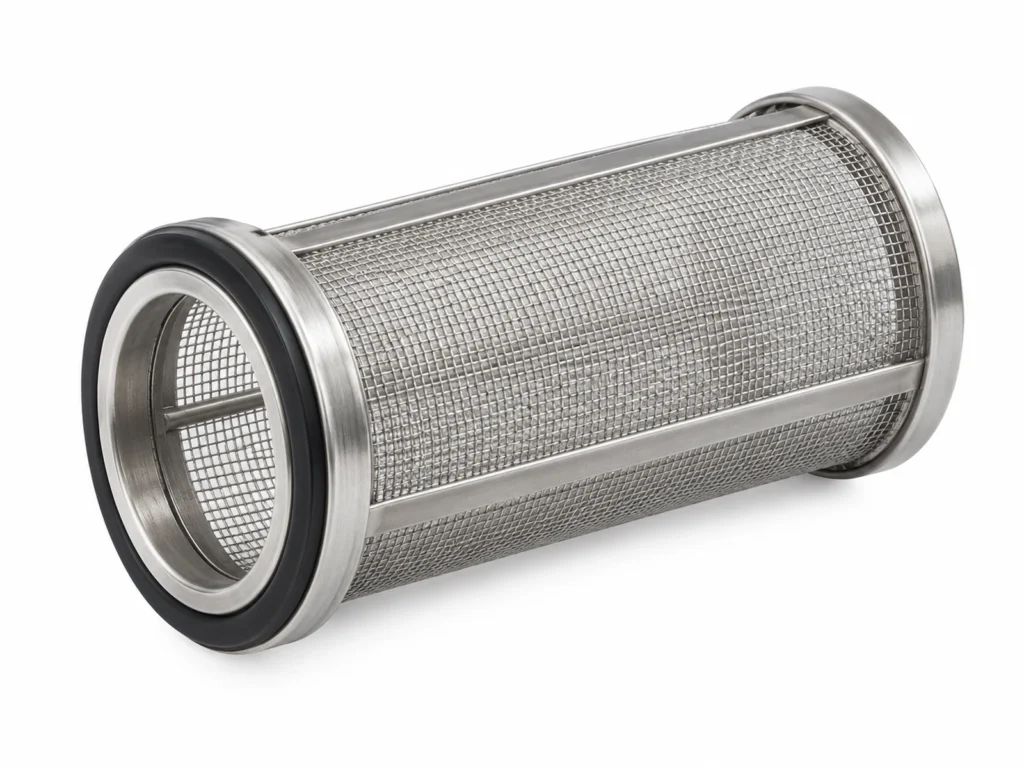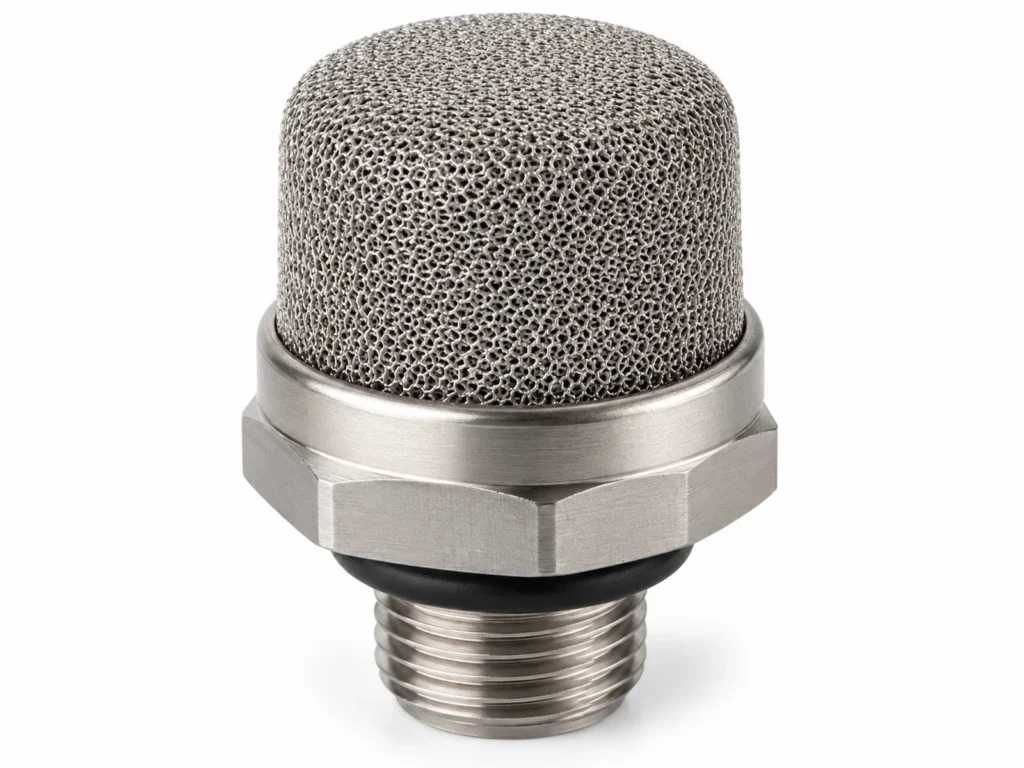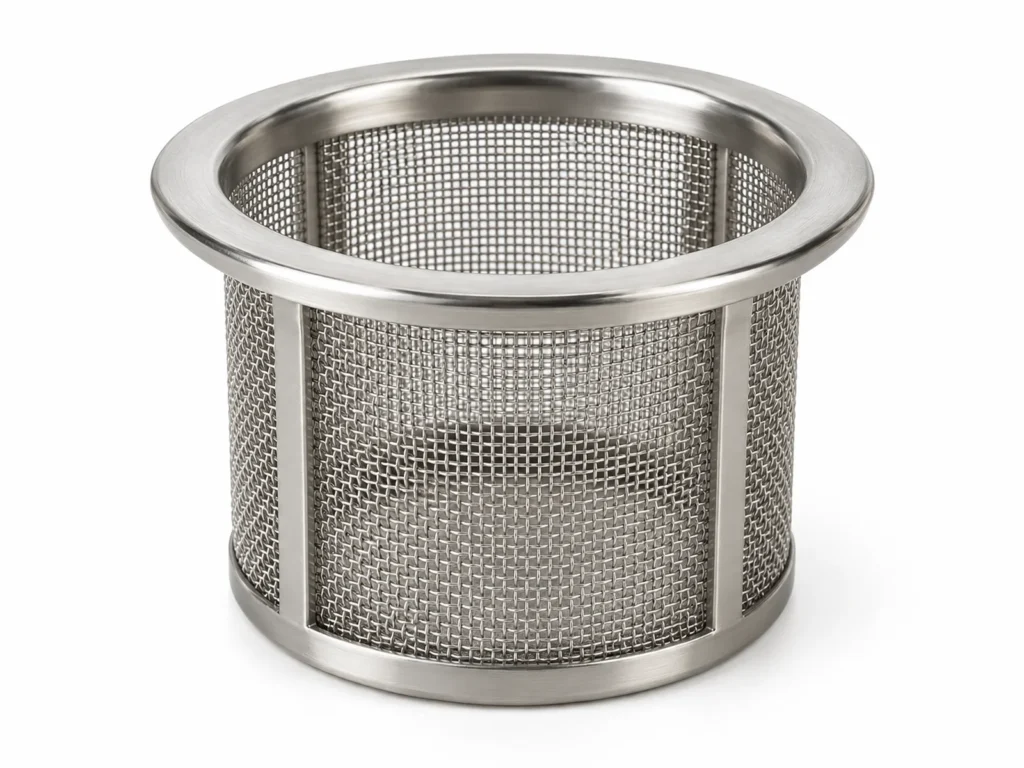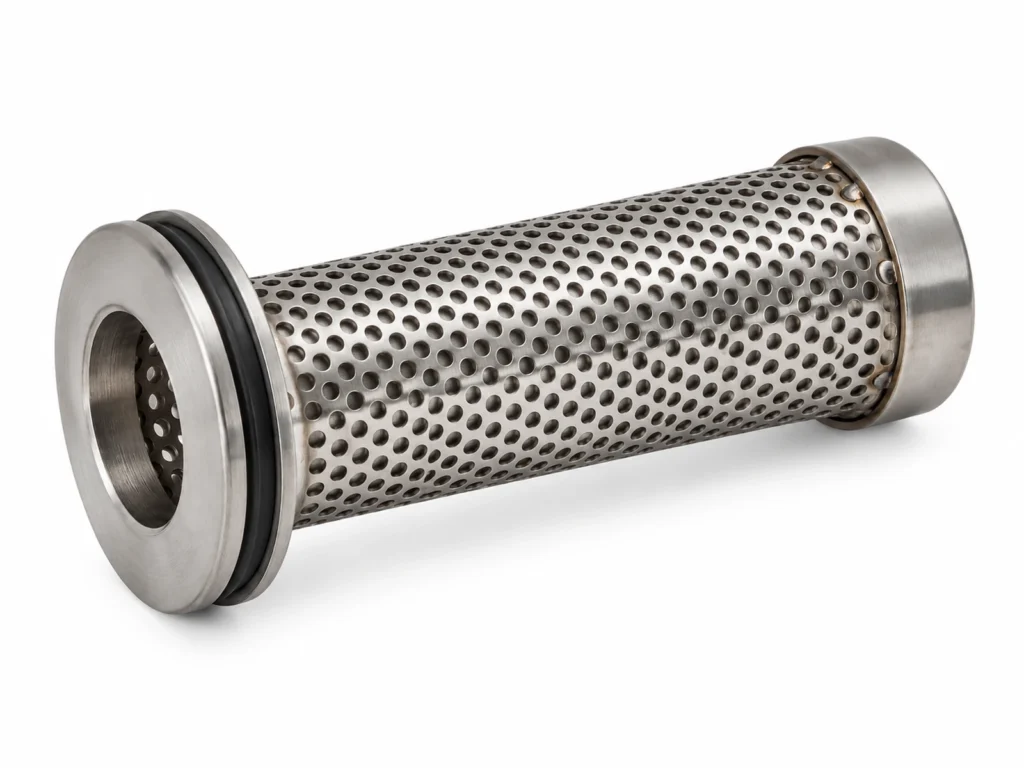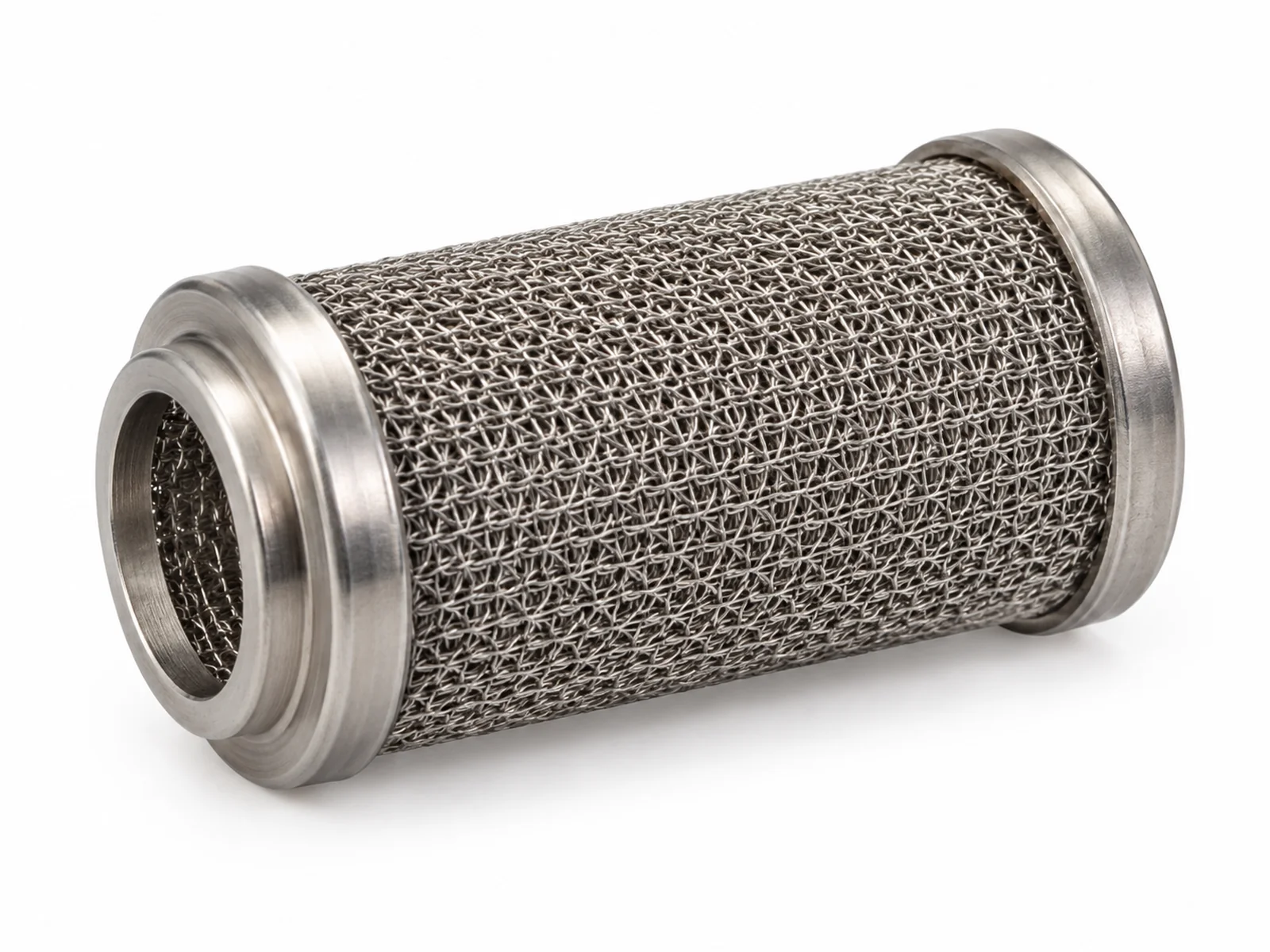
Airbag Inflator Filter is used primarily for cooling the hot gas from a pyrotechnic airbag inflator and trapping burning slag particles so the cushion fills with clean, cooler gas. This page lists the industries and assemblies where it is specified, the selection criteria that matter for each application, handling and installation practice, and the cases where a different mesh, screen or filter type is the correct choice. It is supplied to USCAR-24 / ISO 12097.
Typical Applications for Airbag Inflator Filter
Where Airbag Inflator Filter is specified and bought:
- Airbag module OEMs: driver, passenger, side and curtain inflator filters.
- Tier-1 inflator assemblers: filters supplied on PPAP-approved drawings.
- Seat-belt pretensioner makers: small gas-generator filters.
- Other pyrotechnic actuators: hood lifters and battery disconnects.
How to Specify Airbag Inflator Filter for Your Application
- Density & mass: Pressed density and part weight set the cooling capacity and pressure drop; both are controlled per lot.
- Wire: Knitted carbon or stainless wire of 0.25–0.40 mm, sometimes layered with woven screen.
- Dimensions: Outer and inner diameter and length to the inflator drawing, typically ±0.1 mm.
- Standard: Quote USCAR-24 / ISO 12097 and the size designation from the table on the product page, plus any value you changed in the technical drawing.
Handling & Installation Practice
- Handle and package parts so they cannot deform; a crushed filter changes the deployment curve.
- Measure weight and dimensions on every lot as part of the control plan.
Common Selection Mistakes with Airbag Inflator Filter
- Allowing density to drift between lots, which alters inflation time and gas temperature.
- Substituting wire grade or diameter without revalidating to USCAR-24.
Where Airbag Inflator Filter Is Not the Right Choice
Not a general-purpose gas filter; the design is validated only inside its specific inflator.