Skip to content

Acoustic & Electronics Mesh · UL 217 / EN 14604 · Application guide

What Is Smoke & Gas Detector Insect Screen Used For?

A disassembled white smoke detector showing a ring-shaped fine stainless steel insect screen surrounding the black optical

Smoke & Gas Detector Insect Screen (UL 217 / EN 14604) is specified where the duty calls for keeping insects, spiders and dust out of the sensing chamber of smoke, heat and gas detectors so they do not cause false alarms or hide real smoke. The sections below cover the typical end-uses by industry, the mesh, micron and material decisions for each, installation practice, and the applications this product type is not suited to.

Typical Applications for Smoke & Gas Detector Insect Screen

Where Smoke & Gas Detector Insect Screen is specified and bought:

  • Smoke alarm OEMs: chamber screens in residential and commercial photoelectric alarms.
  • CO and gas detector makers: sensor-cell protection screens.
  • Duct detector housings: sampling-tube and chamber screens in HVAC ducts.
  • Fire alarm service companies: replacement chamber screens during maintenance.

How to Specify Smoke & Gas Detector Insect Screen for Your Application

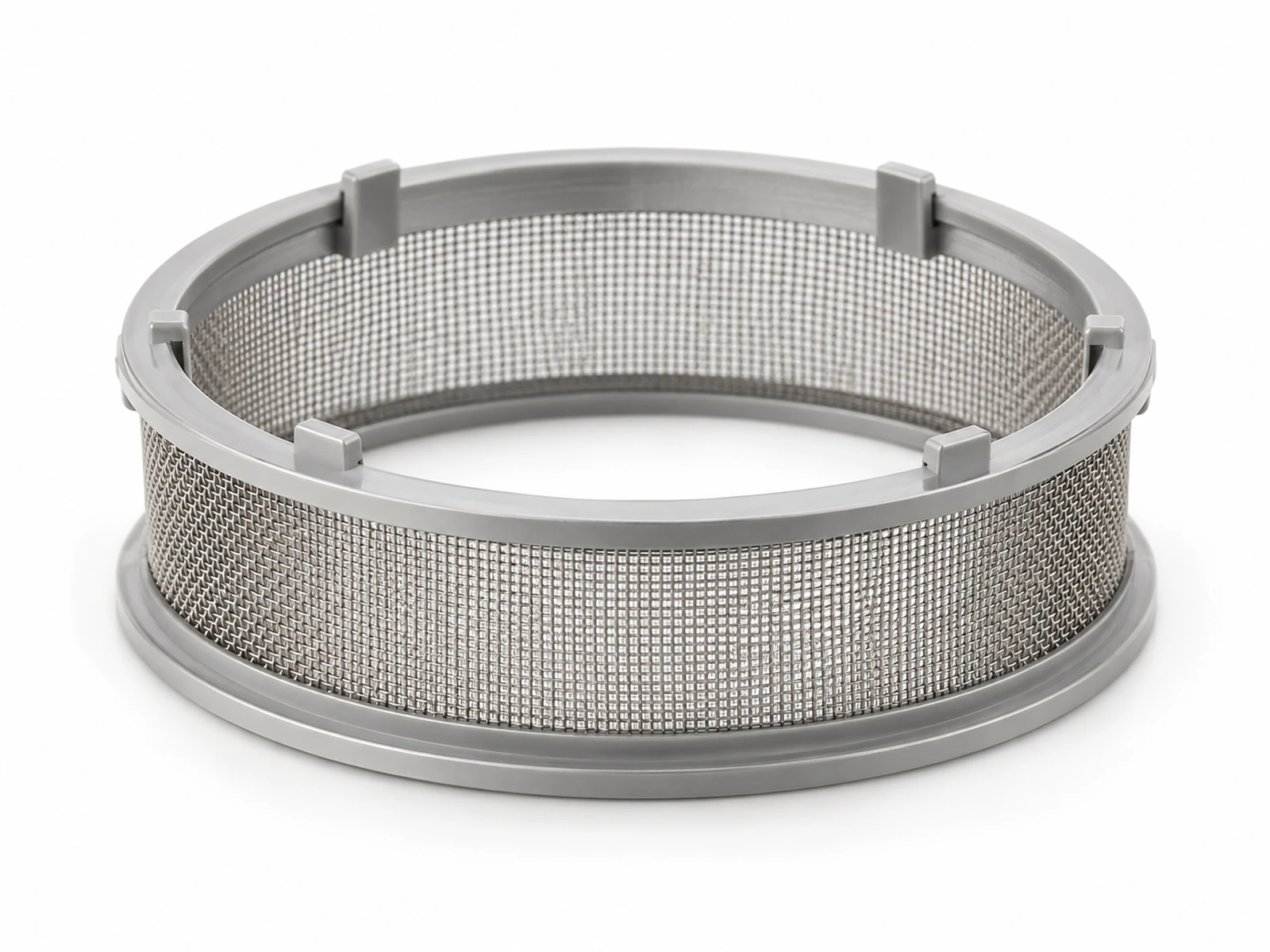
  • Aperture: Openings around 0.4 mm stop small insects while letting smoke enter freely; listing standards cap the maximum size.
  • Form: Ring screens wrap the chamber; caps cover single sensor openings.
  • Material: SS304 resists humidity in bathrooms, kitchens and unheated spaces.
  • Standard: Quote UL 217 / EN 14604 and the size designation from the table on the product page, plus any value you changed in the technical drawing.

Handling & Installation Practice

  • Vacuum detectors from the outside once or twice a year to clear dust from the screen.
  • Never paint over detectors — paint closes the screen and blocks smoke entry.

Common Selection Mistakes with Smoke & Gas Detector Insect Screen

  • Choosing too fine a screen, which slows smoke entry and response time.
  • Leaving out the screen in rural or warm sites, where insects trigger nuisance alarms.

Where Smoke & Gas Detector Insect Screen Is Not the Right Choice

Not a filter for kitchen grease or cooking steam; nuisance alarms there need a different detector type or location.
If This Construction Is Not the Right Fit

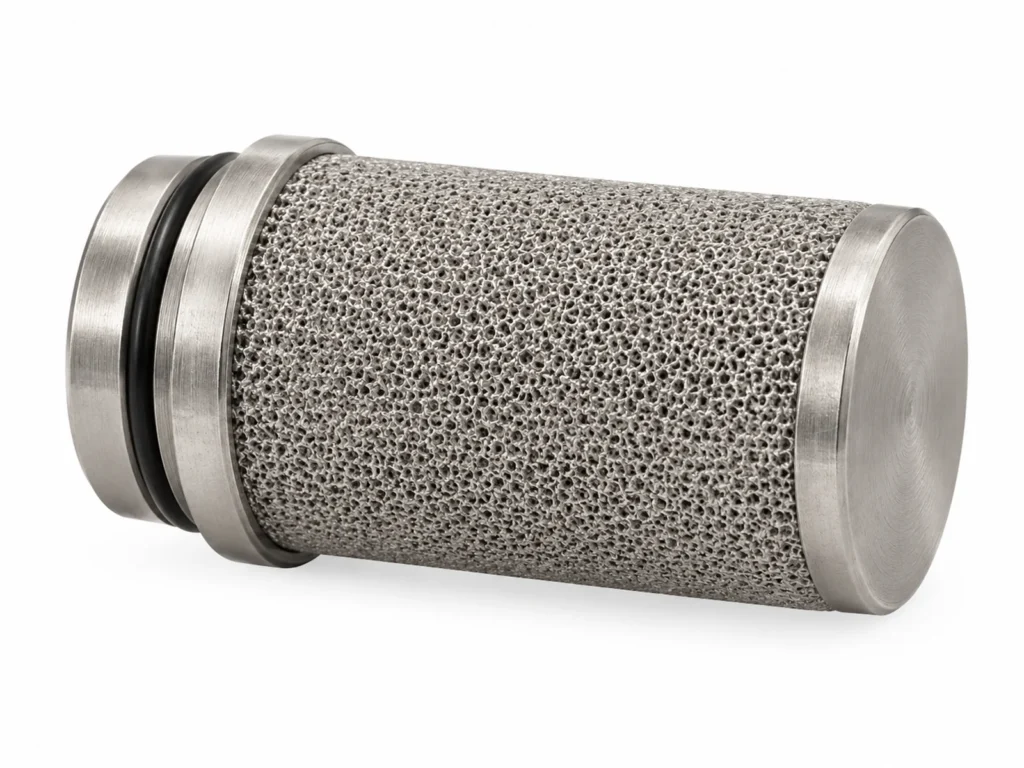
Closely related mesh types for the same duty — compare open area, aperture range and cleanability before you commit.

Technical Drawing

Customize the parameters below — every spec field is editable, and the drawing redraws to match the values you choose. Changing the size will snap the other fields to that size's standard values; you can then override any individual value.

Sends the selected values to the quote form below.

Request a Quote

Set the size and options in the drawing above, then send the exact configuration straight to this form.

Request a Quotation

Specification
Business Information

Dimensions & Specifications (UL 217 / EN 14604)

SizeOuter diameter (mm)Length (mm)MeshAperture (mm)
Ring 40401240-Mesh SS3040.385
Ring 52521440-Mesh SS3040.385
Cap 2020860-Mesh SS3040.233

Frequently Asked Questions

What is Smoke & Gas Detector Insect Screen used for?

Keeping insects, spiders and dust out of the sensing chamber of smoke, heat and gas detectors so they do not cause false alarms or hide real smoke.

Why do smoke detectors have an insect screen?

Small insects entering the chamber scatter light and cause false alarms; the screen keeps them out.

Can a dirty insect screen stop a smoke alarm working?

A heavily dust-covered or painted screen slows smoke entry; clean detectors regularly.

How do I clean a smoke detector screen?

Use a vacuum brush attachment around the vents; do not open sealed units.

Can I get a quote for Smoke & Gas Detector Insect Screen to my own drawing?

Yes. Set the size and any custom value in the technical drawing on the product page and send it with the quote form; we reply within one business day.