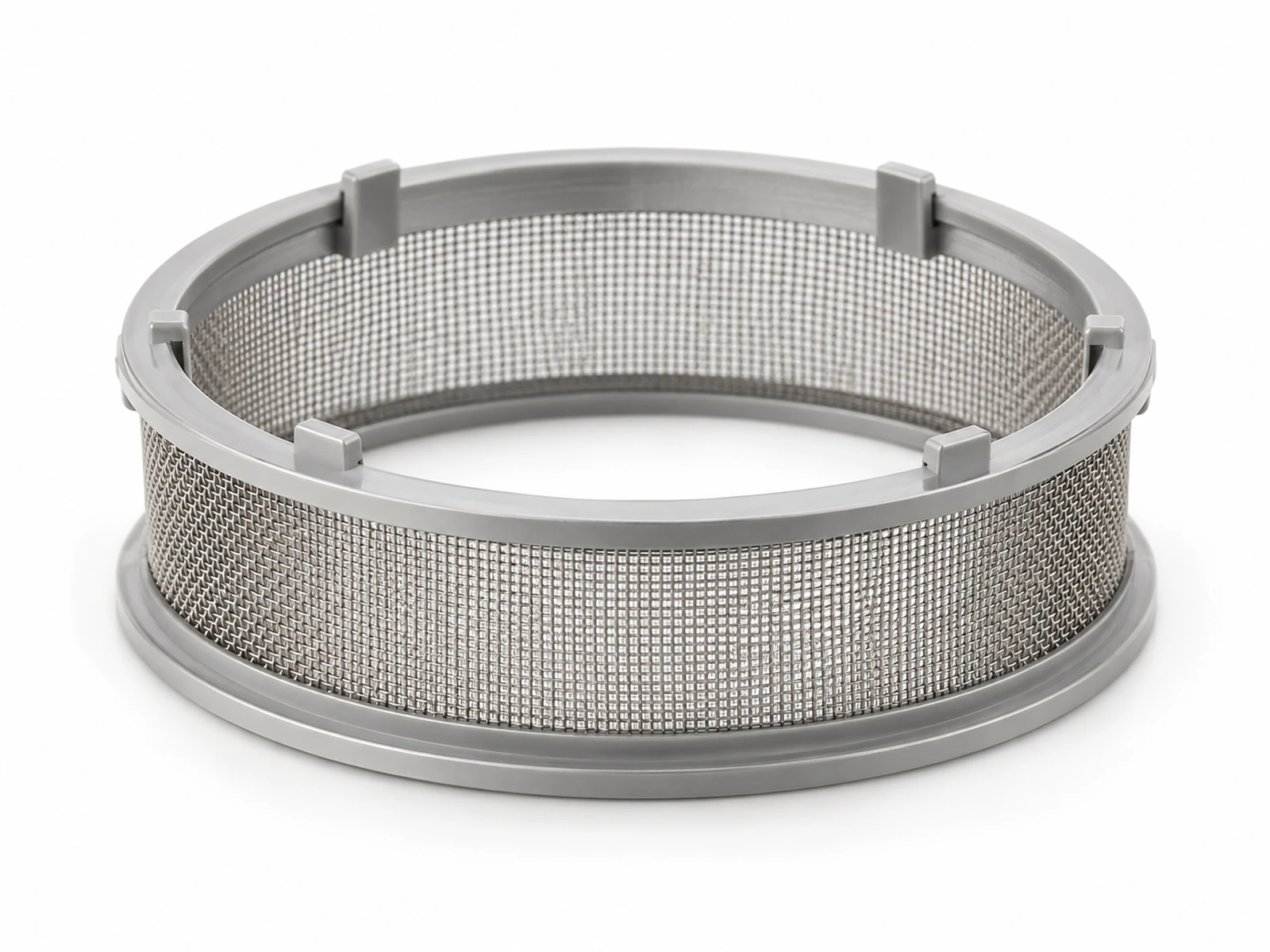
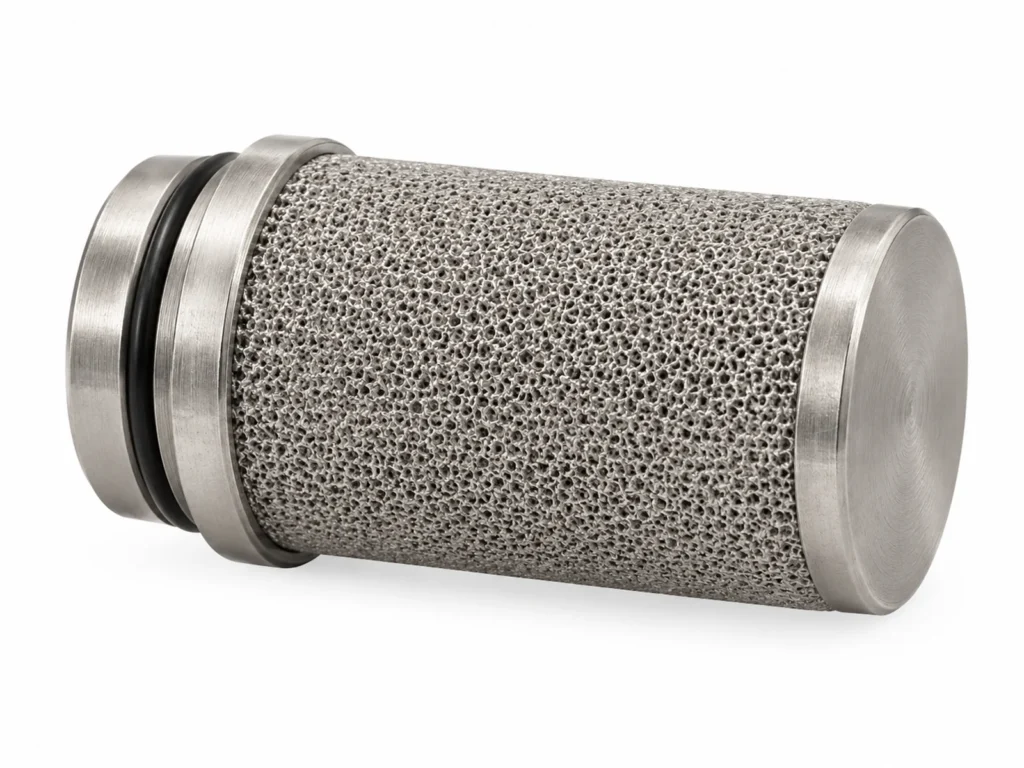
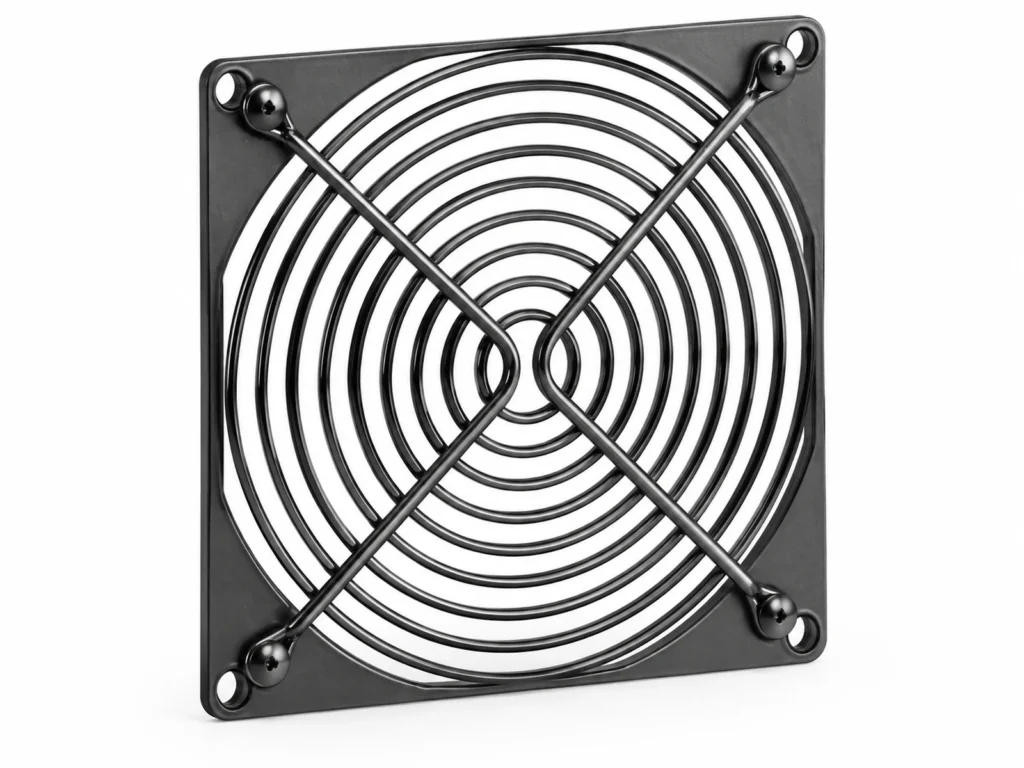
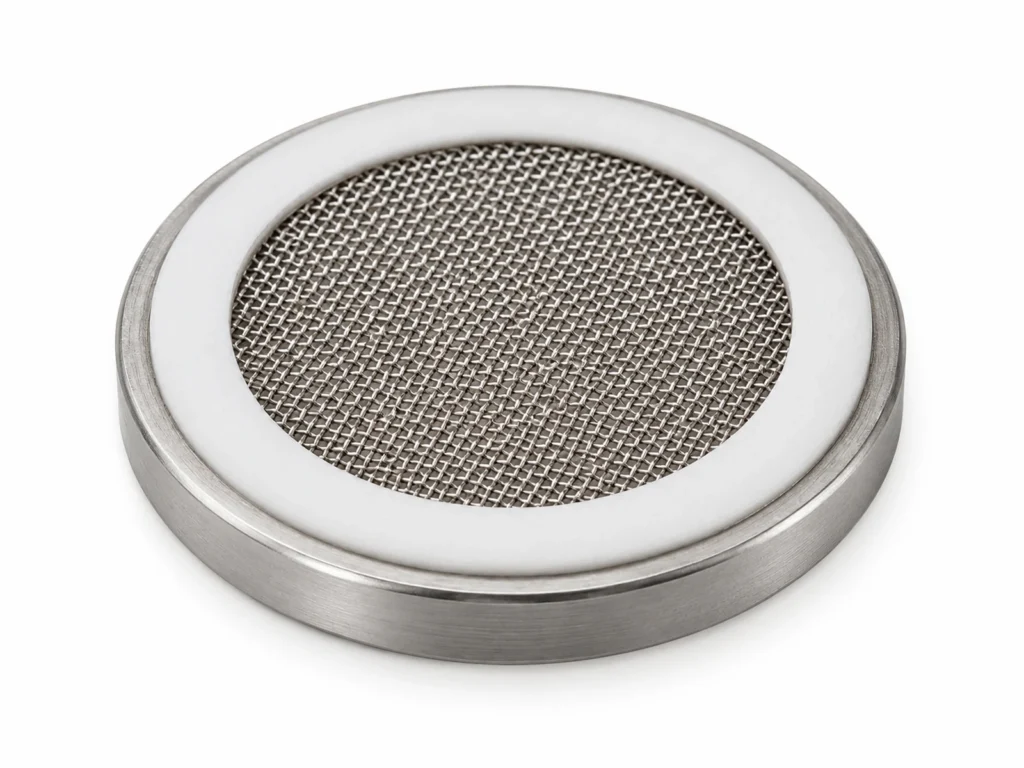
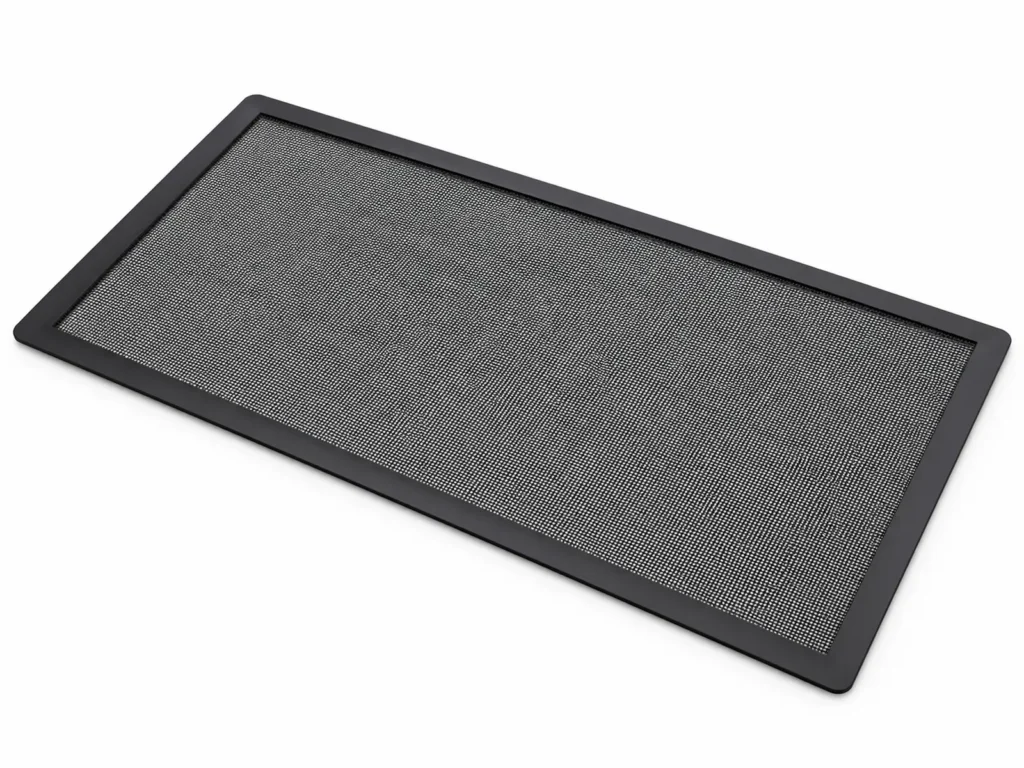
Smoke & Gas Detector Insect Screen in 304 Stainless Steel (AISI 304 (1.4301)) is used for keeping insects, spiders and dust out of the sensing chamber of smoke, heat and gas detectors so they do not cause false alarms or hide real smoke. The alloy gives good general corrosion resistance in atmosphere and fresh water and is essentially non-magnetic (annealed), with a practical service limit of approx. +450 °C continuous.
Alloy Properties
| Grade designation | AISI 304 (1.4301) |
|---|
| Magnetic response | Essentially non-magnetic (annealed) |
|---|
| Service temperature | approx. +450 °C continuous |
|---|
| Corrosion characteristic | Good general corrosion resistance in atmosphere and fresh water |
|---|
Specifications of Smoke & Gas Detector Insect Screen Available in 304 Stainless Steel
| Size | Outer diameter (mm) | Length (mm) | Mesh | Aperture (mm) |
|---|
| Ring 40 | 40 | 12 | 40-Mesh SS304 | 0.385 |
| Ring 52 | 52 | 14 | 40-Mesh SS304 | 0.385 |
| Cap 20 | 20 | 8 | 60-Mesh SS304 | 0.233 |
Where 304 Stainless Steel Smoke & Gas Detector Insect Screen Is Used
- Smoke alarm OEMs: chamber screens in residential and commercial photoelectric alarms.
- CO and gas detector makers: sensor-cell protection screens.
- Duct detector housings: sampling-tube and chamber screens in HVAC ducts.
- Fire alarm service companies: replacement chamber screens during maintenance.
Ordering Smoke & Gas Detector Insect Screen in 304 Stainless Steel
- Aperture: Openings around 0.4 mm stop small insects while letting smoke enter freely; listing standards cap the maximum size.
- Form: Ring screens wrap the chamber; caps cover single sensor openings.
- Material: SS304 resists humidity in bathrooms, kitchens and unheated spaces.
Mistakes to Avoid with Smoke & Gas Detector Insect Screen
- Choosing too fine a screen, which slows smoke entry and response time.
- Leaving out the screen in rural or warm sites, where insects trigger nuisance alarms.