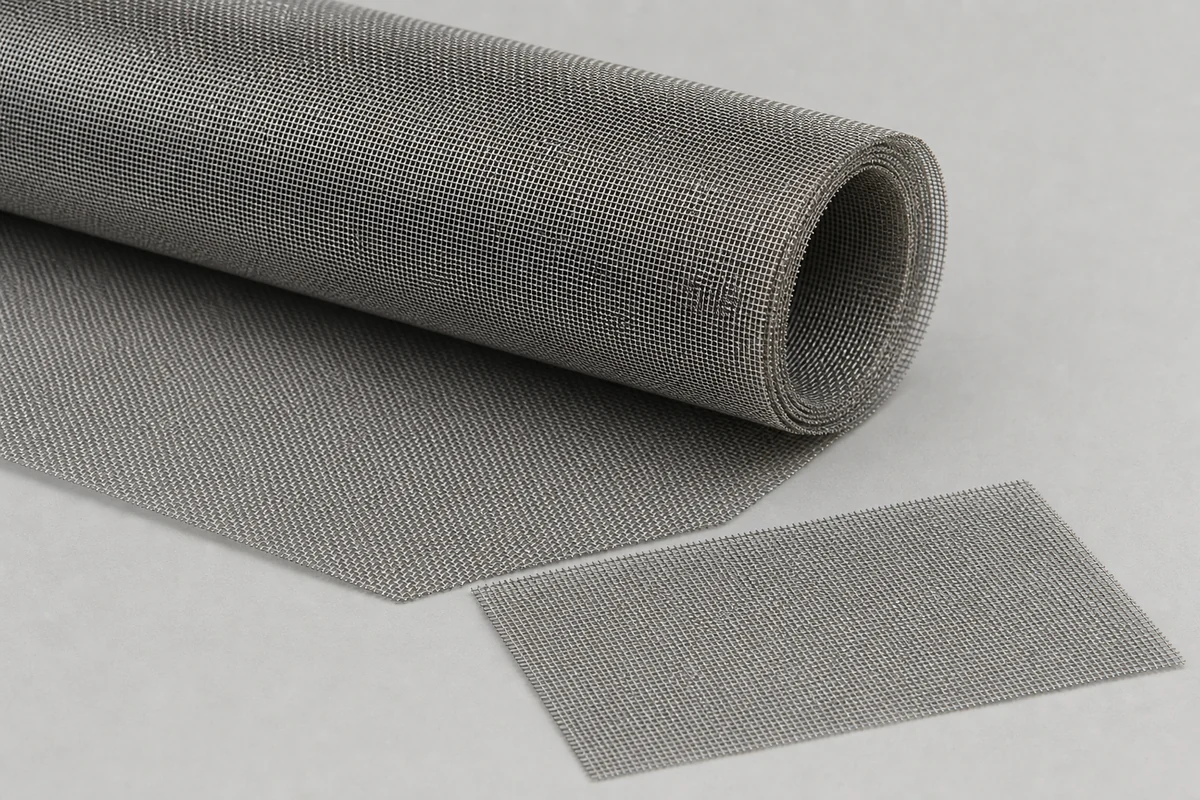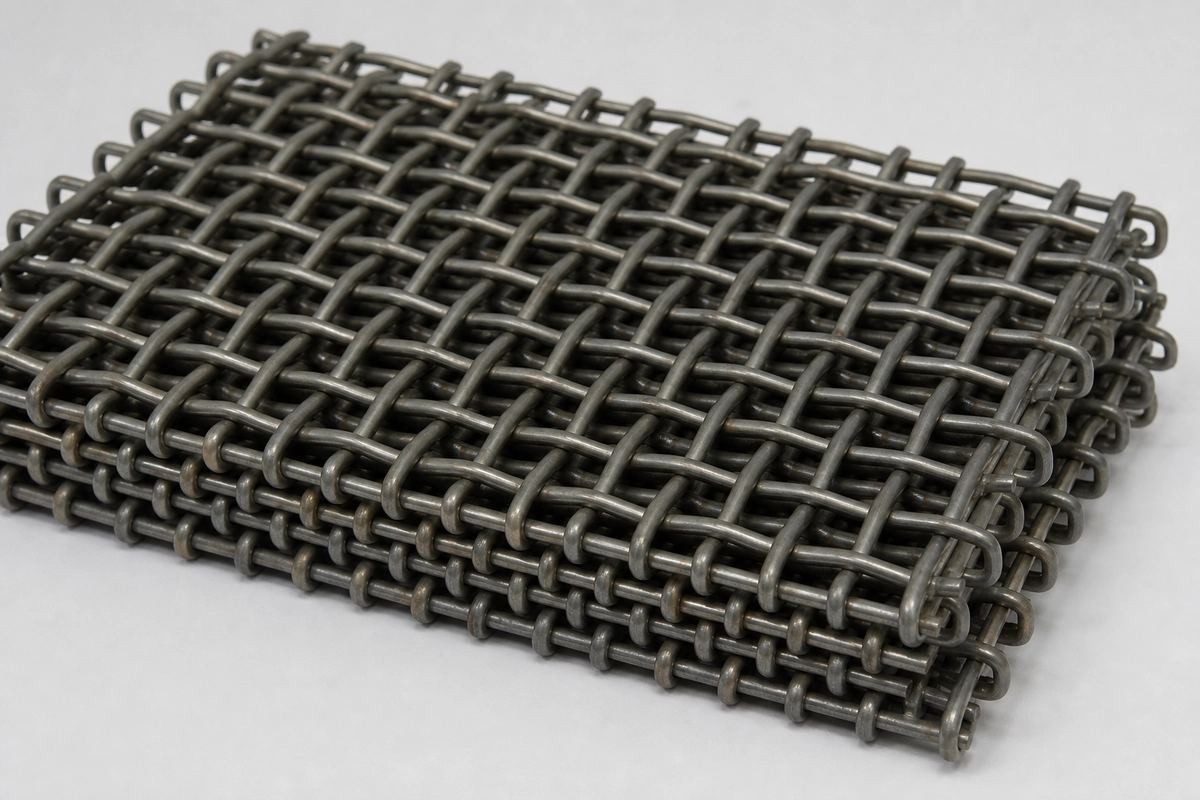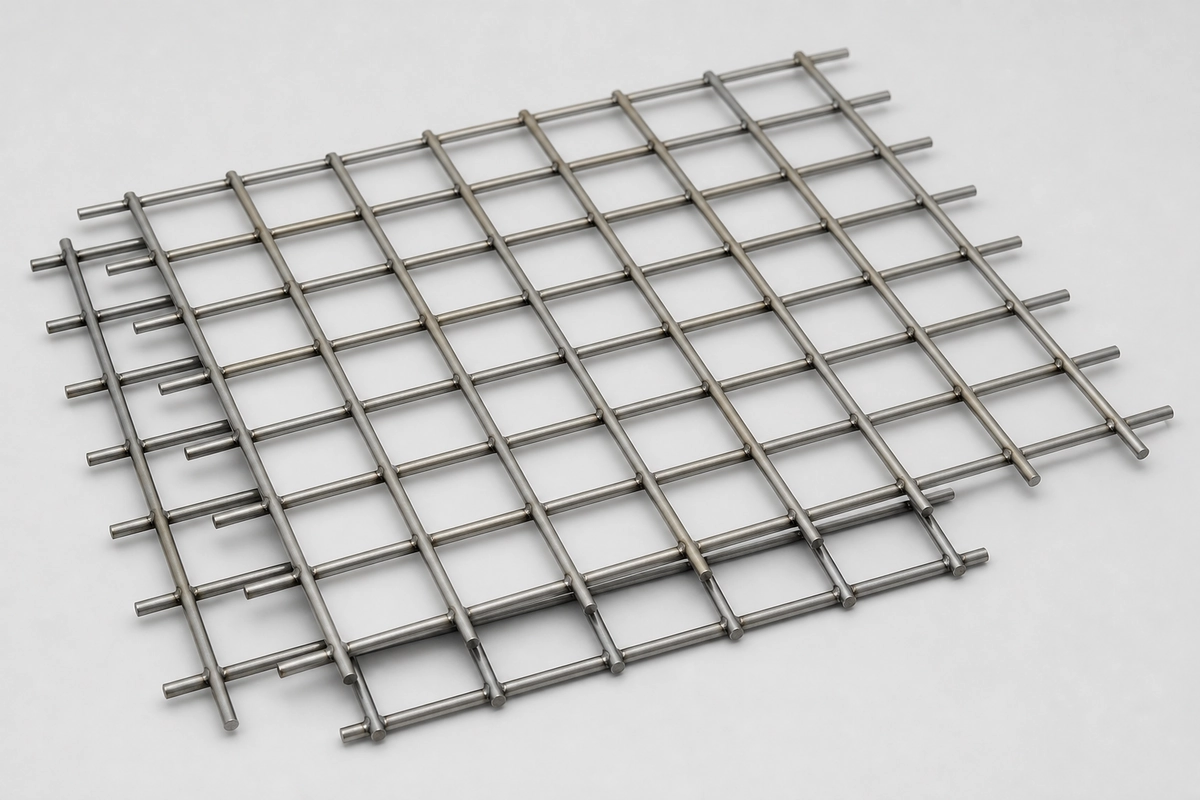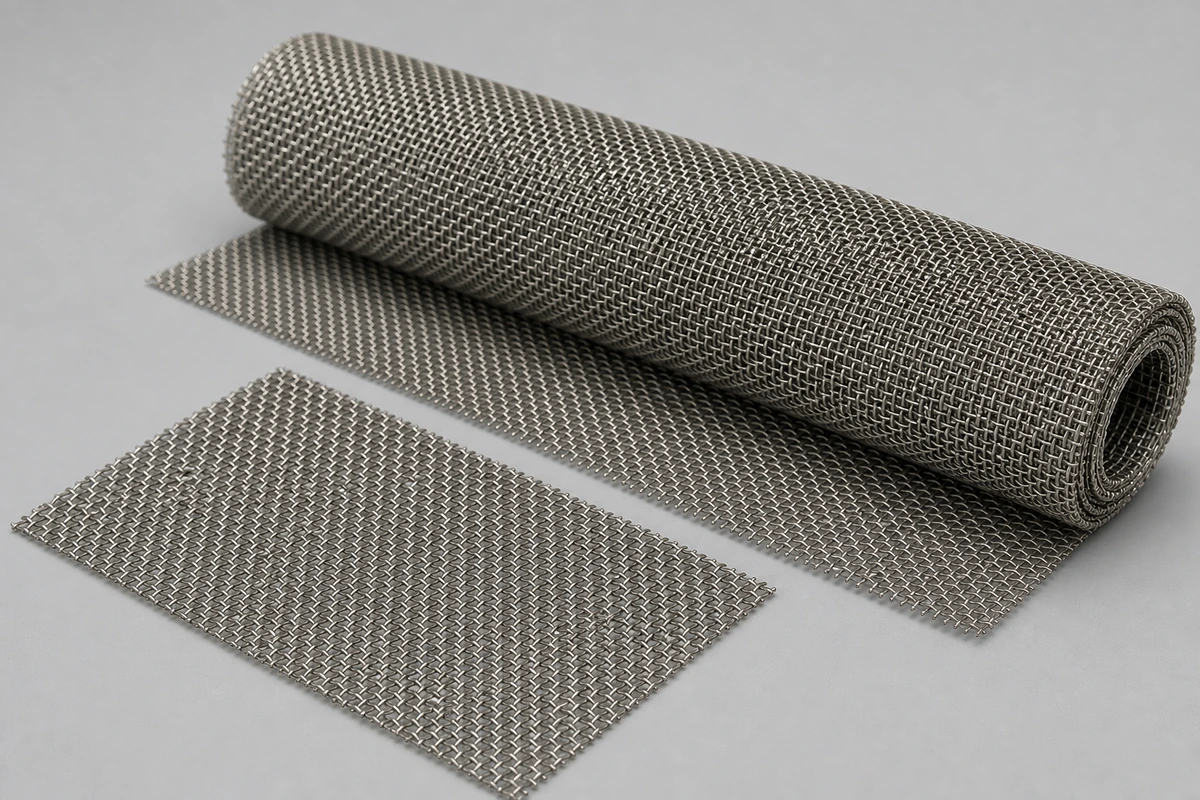
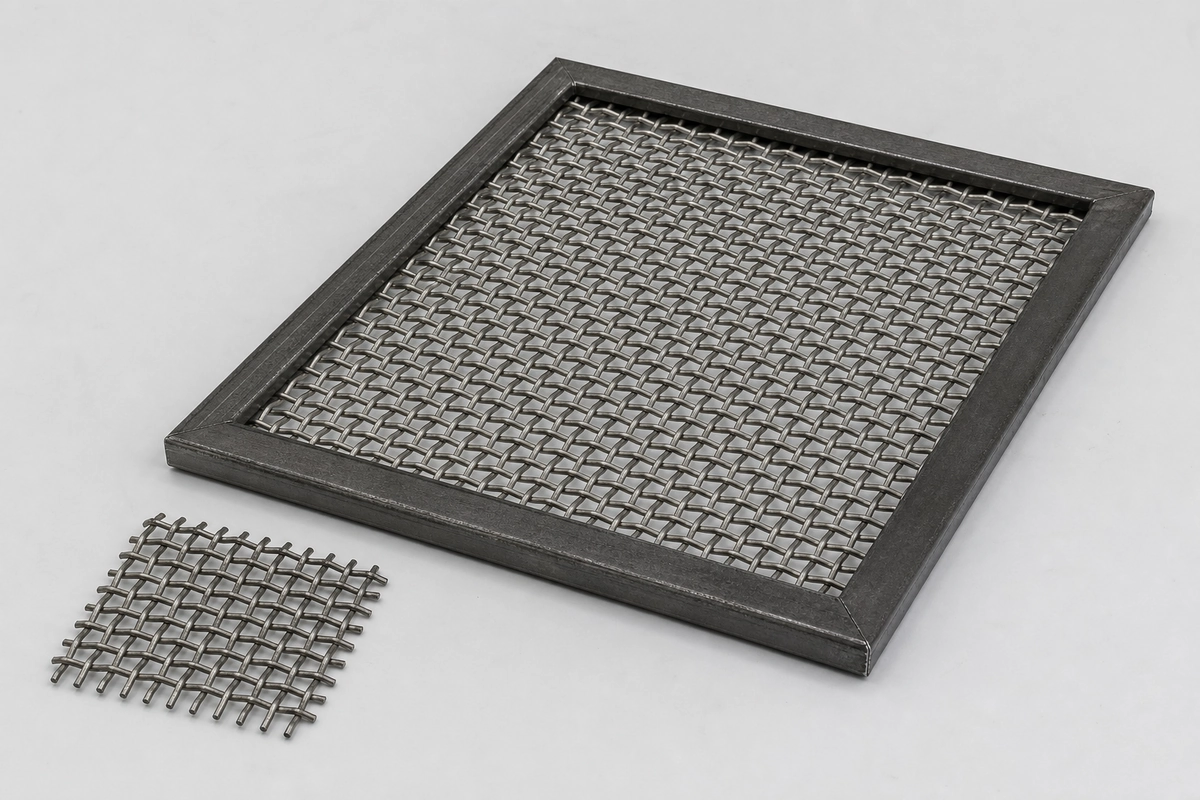
Security Screen Mesh (SS316 marine grade) is specified where the duty calls for anti-cut, anti-intrusion window and door screens in marine-grade stainless. The sections below cover the typical end-uses by industry, the mesh, micron and material decisions for each, installation practice, and the applications this product type is not suited to.
Typical Applications for Security Screen Mesh
The most common settings where this is specified:
- Quarry & aggregate: crimped vibrating screen decks.
- Safety & security: anti-intrusion mesh screens.
- Doors & windows: 316 marine-grade security screens.
- Perimeter: anti-cut, anti-intrusion mesh.
- Industrial filtration & separation: removing particulates from liquids, gases and slurries in process plant.
How to Specify Security Screen Mesh for Your Application
- Mesh count / micron rating: Match the aperture or micron rating to the smallest particle you must retain or pass. The table below lists mesh count, aperture and micron for each option — for woven cloth, specify the aperture or micron, not just the mesh count.
- Aperture & wire: Choose the aperture and wire type (crimped hard-drawn for wear, fine stainless for insect/security) for the duty.
- Material / alloy: Select the alloy for the environment — 304 for general use, 316L for chlorides, food and chemicals, brass or copper for shielding, and Monel, Inconel or Hastelloy for marine, acid and high-temperature service.
- Environment: For damp, coastal, chemical or high-temperature service move up to 316L or a nickel alloy; for dry indoor duty 304 or a coated steel is usually enough.
- Standard: This product is supplied to SS316 marine grade. Quoting the standard on your order guarantees interchangeable dimensions and filtration data between suppliers.
Handling & Installation Practice
- Tension the mesh evenly in its frame; slack screen mesh flaps, wears and loses cut-point accuracy on a vibrating deck.
- On crimped vibrating screen mesh, hook the correct crimp edge into the deck clamps and keep tension across the whole deck.
Common Selection Mistakes with Security Screen Mesh
- Using soft annealed wire for a vibrating or aggregate duty where hard-drawn 65Mn or crimped spring steel is needed for wear life.
- Under-tensioning the screen, which kills cut-point accuracy and causes premature wire fatigue.
Where Security Screen Mesh Is Not the Right Choice
Not for precision process filtration or high-pressure duty — these are building, safety and aggregate-screening products, not filter media.