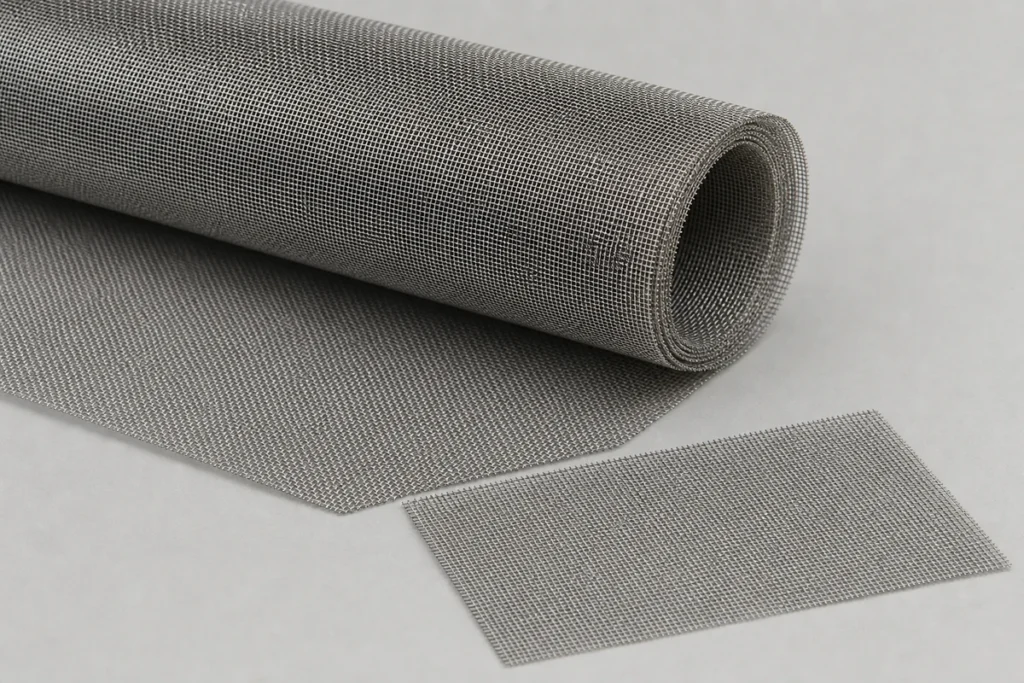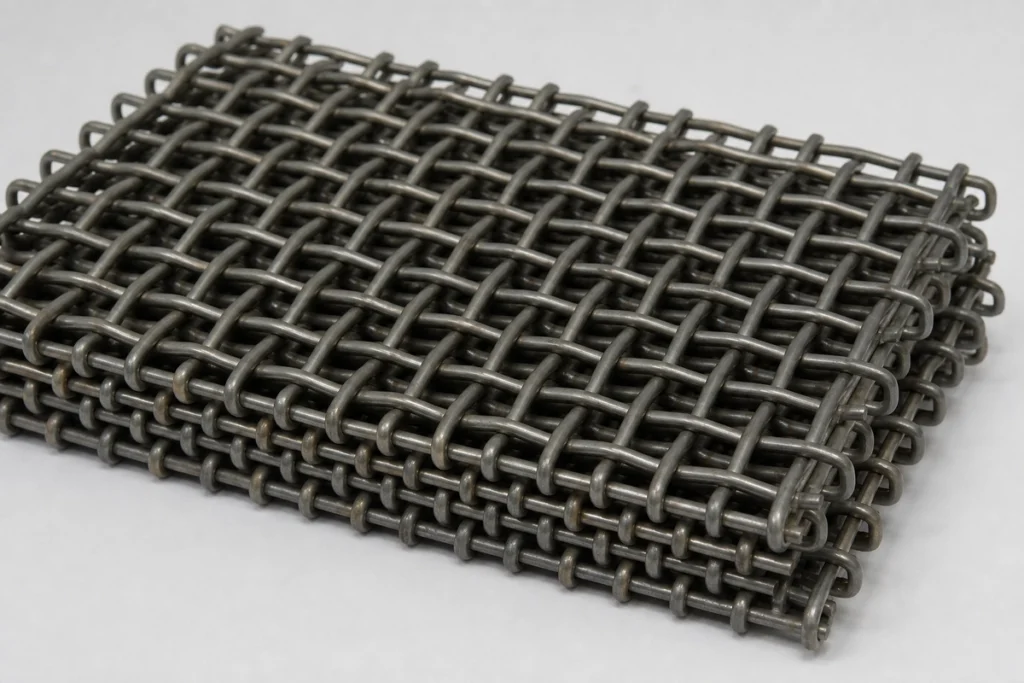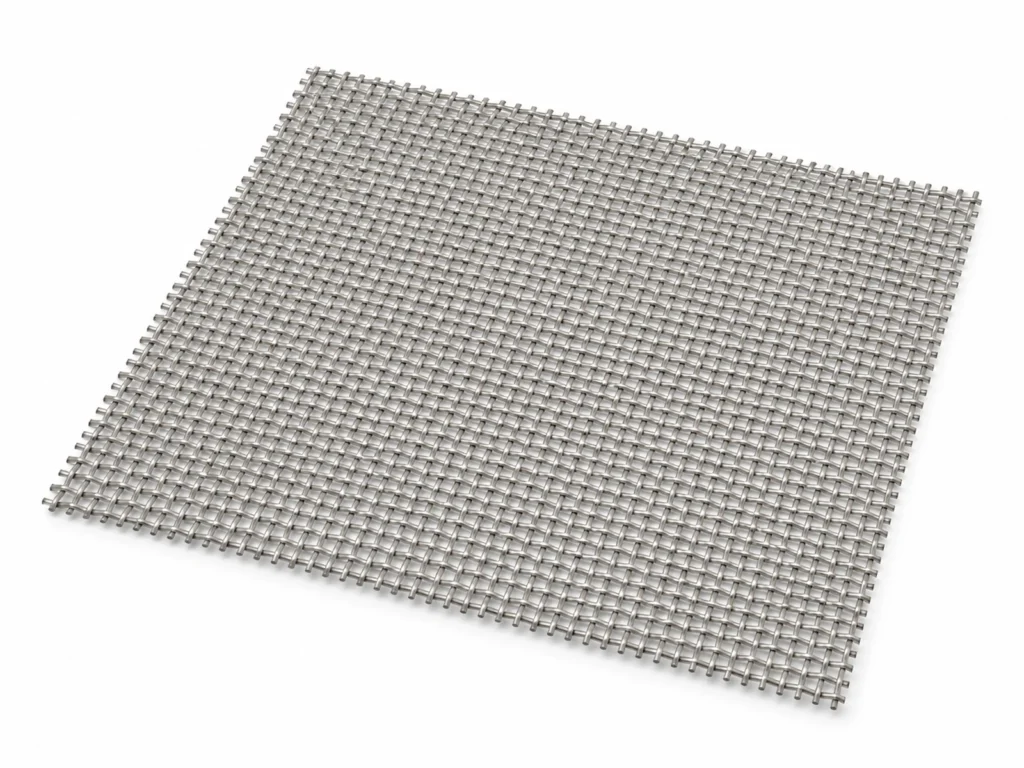
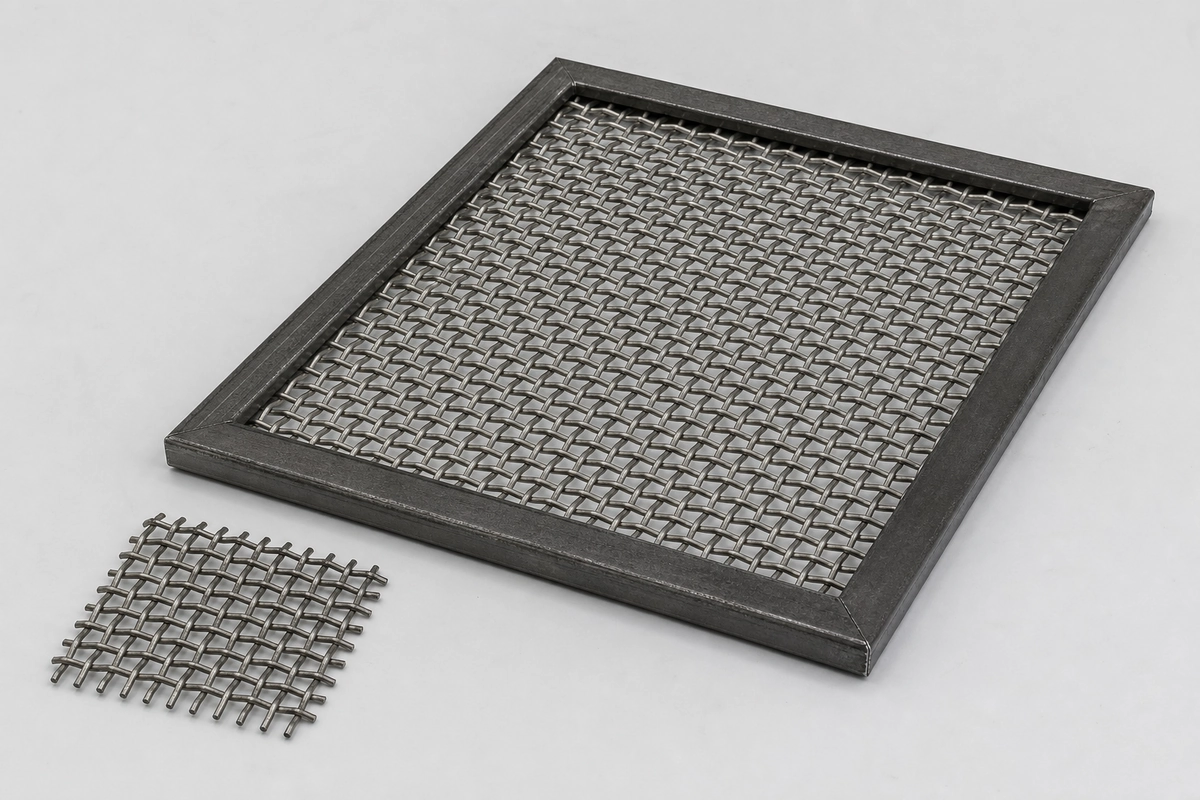
Security Screen Mesh (SS316 marine grade) is specified where the duty calls for anti-cut, anti-intrusion protection for windows and doors with heavy-wire woven stainless steel security mesh screens that still give airflow and visibility. The sections below cover the typical end-uses by industry, the mesh, micron and material decisions for each, installation practice, and the applications this product type is not suited to.
Typical Applications for Security Screen Mesh
Where Security Screen Mesh is specified and bought:
- Residential: security screen doors and window screens.
- Commercial & retail: ground-floor windows and vents.
- Coastal properties: marine-grade 316 security screens.
- Institutional: schools, clinics and detention facilities.
How to Specify Security Screen Mesh for Your Application
- Wire & weave: About 0.8–1.0 mm stainless wire at 11 mesh for cut and impact resistance.
- Alloy & finish: SS316 with black powder coat for coastal durability.
- Framing: Screw-clamped frames — the frame decides real-world security.
- Standard: Quote SS316 marine grade and the size designation from the table on the product page, plus any value you changed in the technical drawing.
Handling & Installation Practice
- Fix the mesh with a screw-clamp system rather than spline.
- Test frames to the local security screen standard.
Common Selection Mistakes with Security Screen Mesh
- Light wire mesh sold as "security".
- Strong mesh in a weak frame.
Where Security Screen Mesh Is Not the Right Choice
Not an insect-fine screen for very small insects.