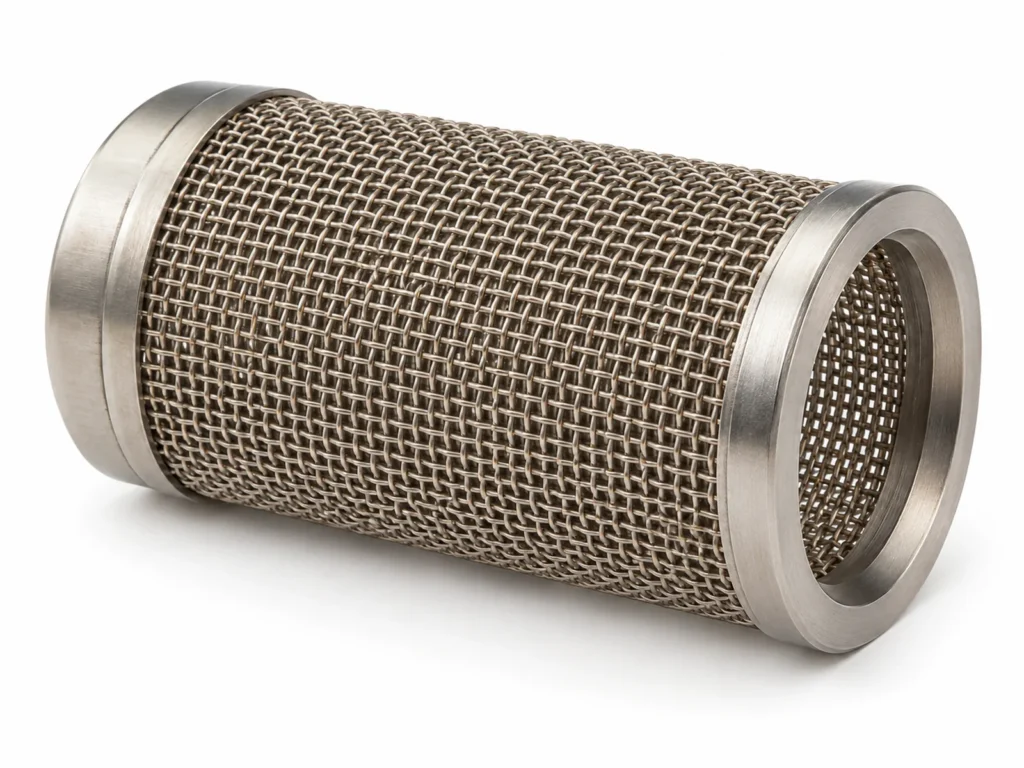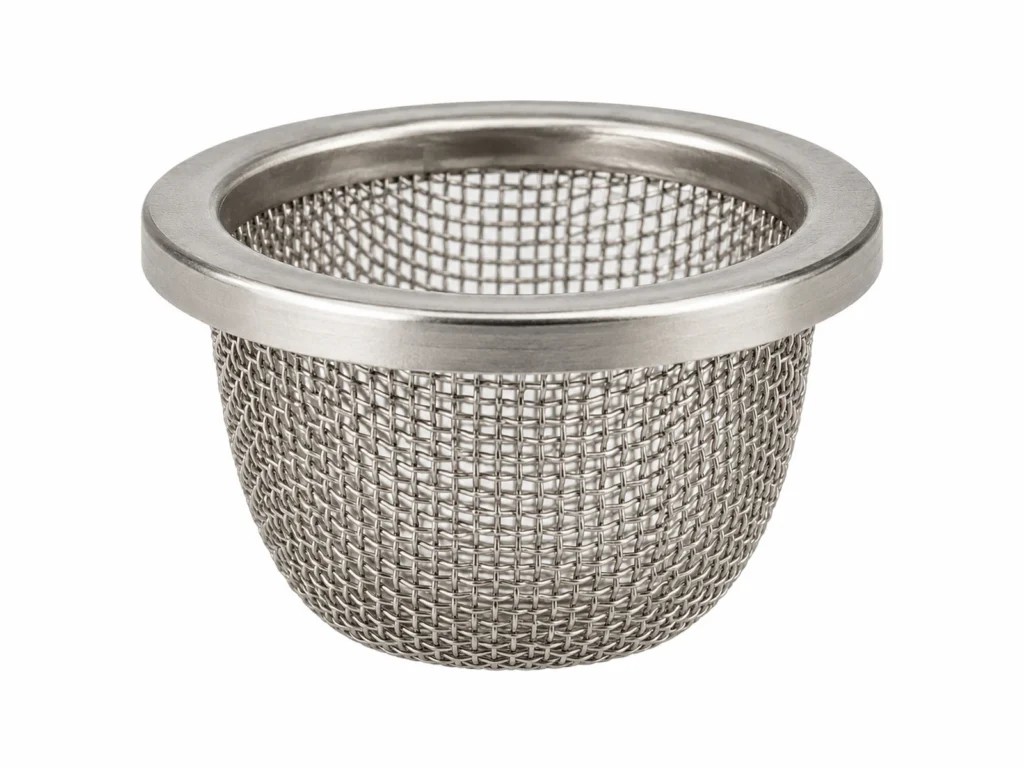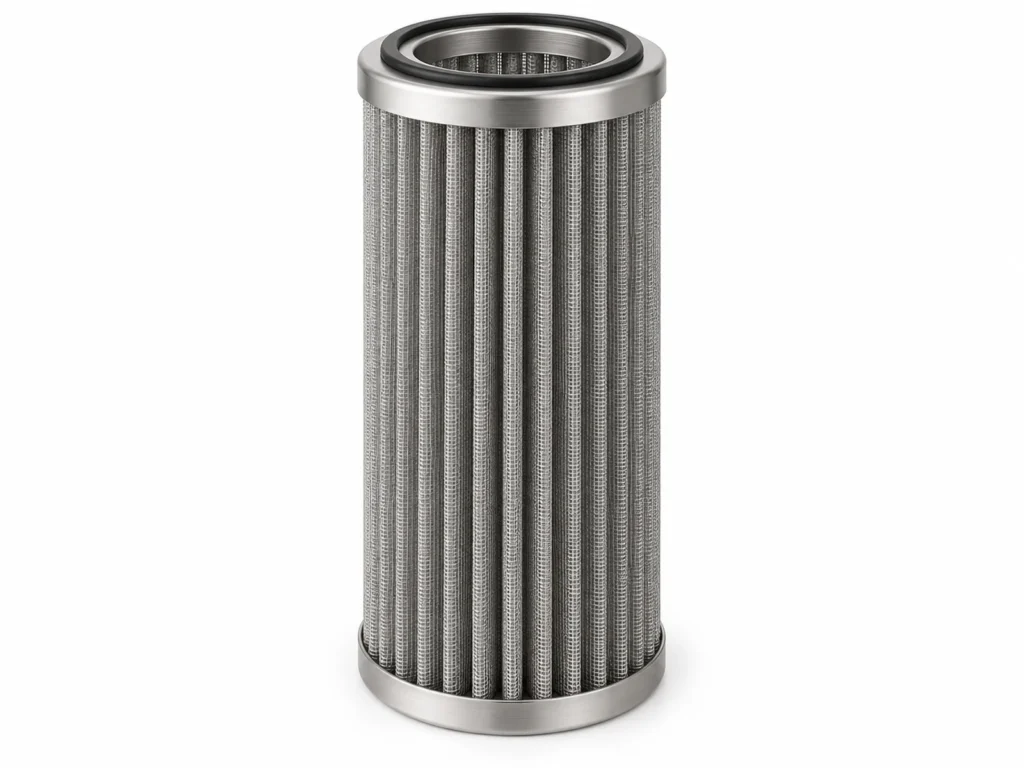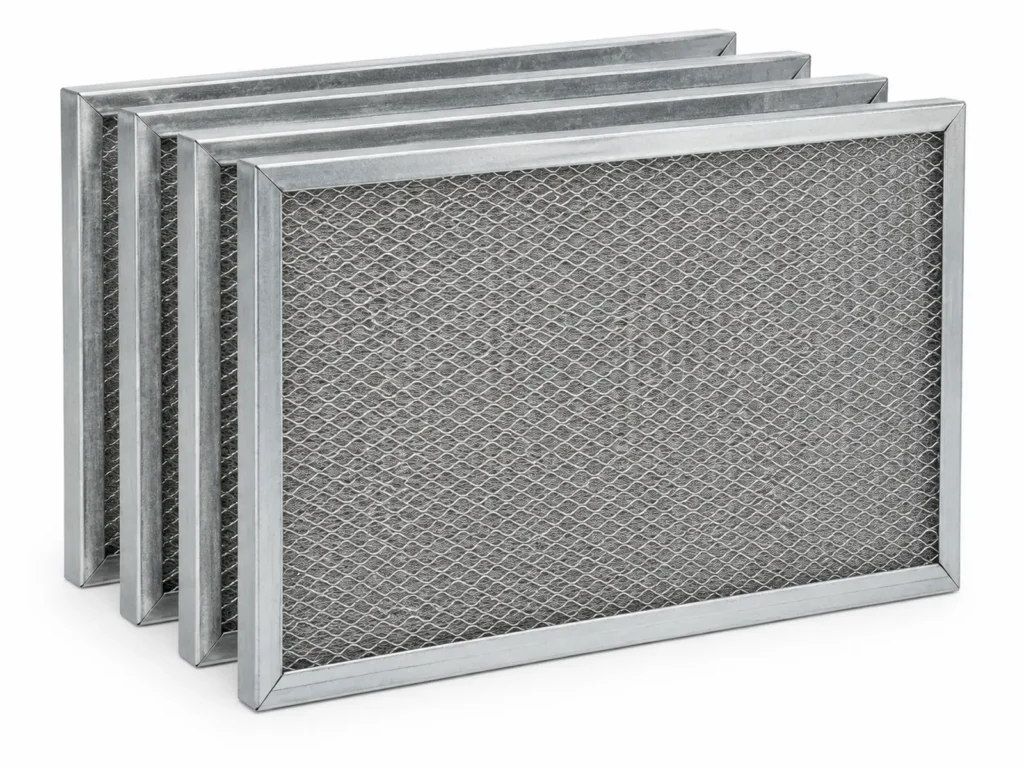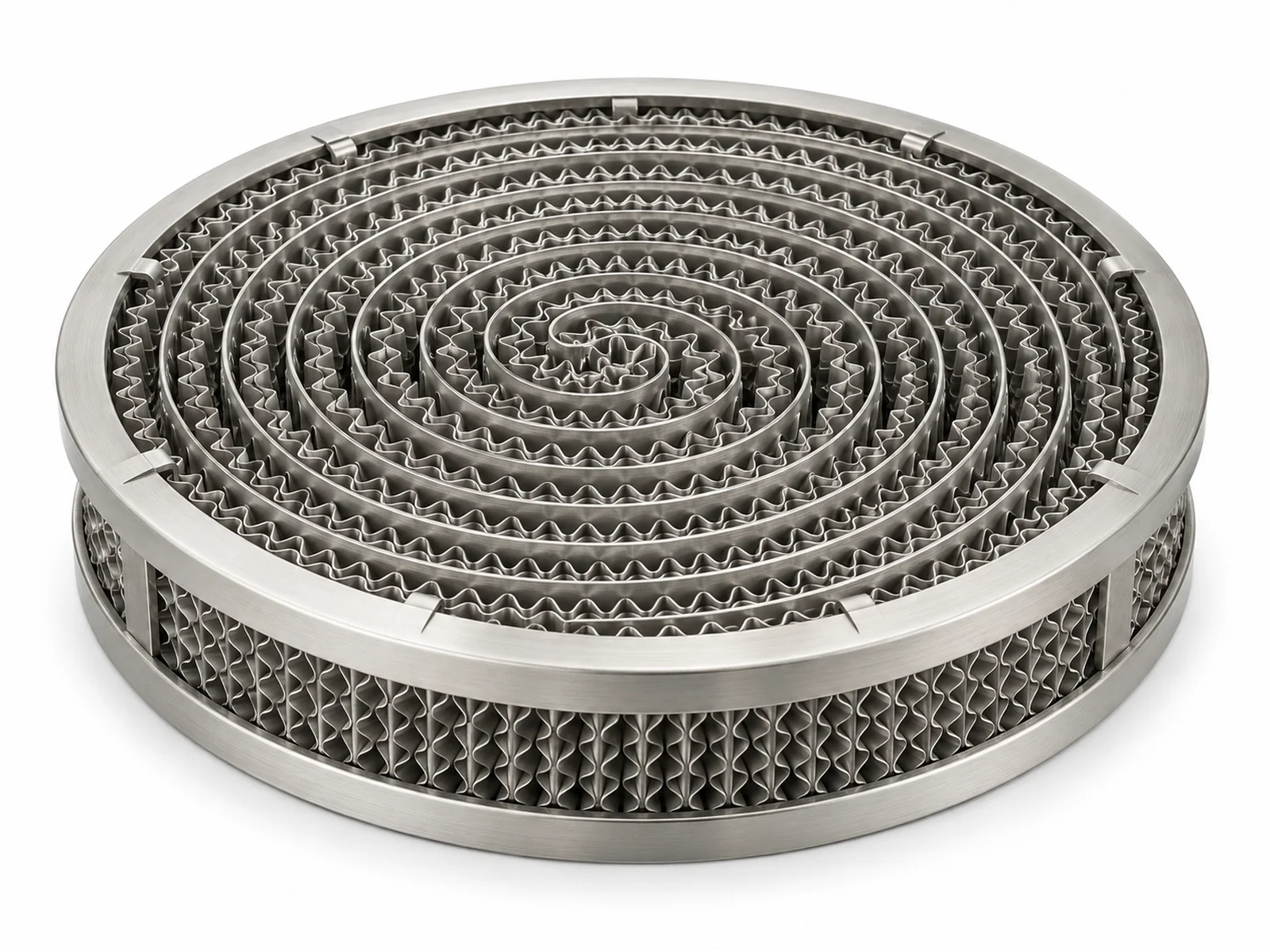
Crimped Ribbon Flame Arrester Element is selected when an assembly or process calls for stopping flame propagation in vent and process lines by quenching it in narrow channels formed between spiral-wound crimped and flat metal ribbons. This application guide to the ISO 16852 / API 2000 type covers concrete end-uses, the specification checklist, correct installation, and where an alternative mesh or filter medium performs better.
Typical Applications for Crimped Ribbon Flame Arrester Element
Where Crimped Ribbon Flame Arrester Element is specified and bought:
- Tank farms & terminals: end-of-line arresters on storage-tank vents.
- Chemical & pharmaceutical plants: in-line deflagration arresters.
- Biogas & landfill gas: flare and engine-line protection.
- Marine: cargo-tank vent heads.
How to Specify Crimped Ribbon Flame Arrester Element for Your Application
- Gas group: Choose crimp height for IIA, IIB or IIC gases — smaller gaps for more reactive gases.
- Element depth: Deeper elements for longer burn and detonation duties.
- Certification: Must match the tested housing per ISO 16852.
- Standard: Quote ISO 16852 / API 2000 and the size designation from the table on the product page, plus any value you changed in the technical drawing.
Handling & Installation Practice
- Inspect for fouling and corrosion at planned intervals.
- Never alter the element depth or crimp.
Common Selection Mistakes with Crimped Ribbon Flame Arrester Element
- Fitting an element from an uncertified housing.
- Ignoring fouling that raises pressure drop.
Where Crimped Ribbon Flame Arrester Element Is Not the Right Choice
Not a pressure-vacuum relief valve.