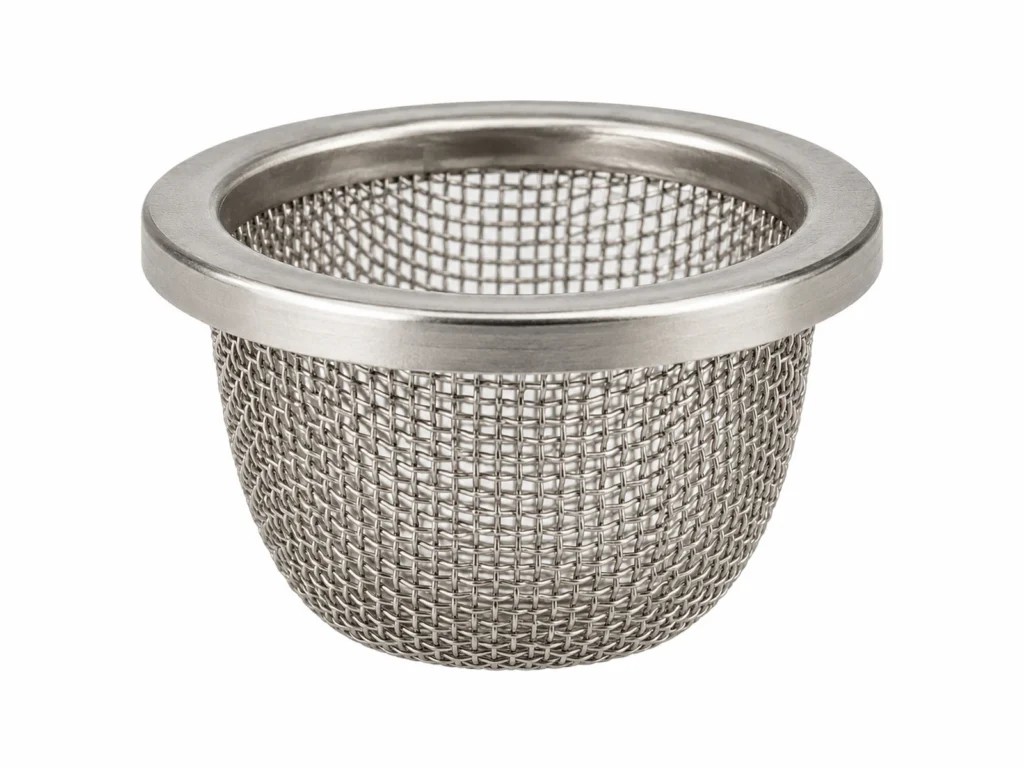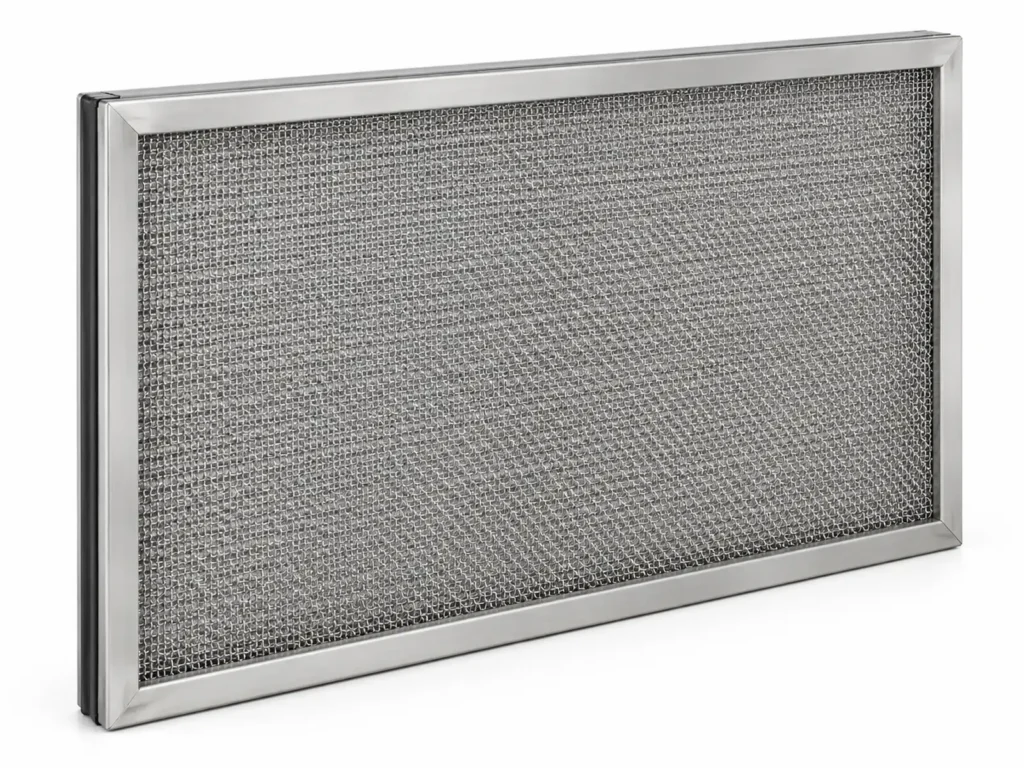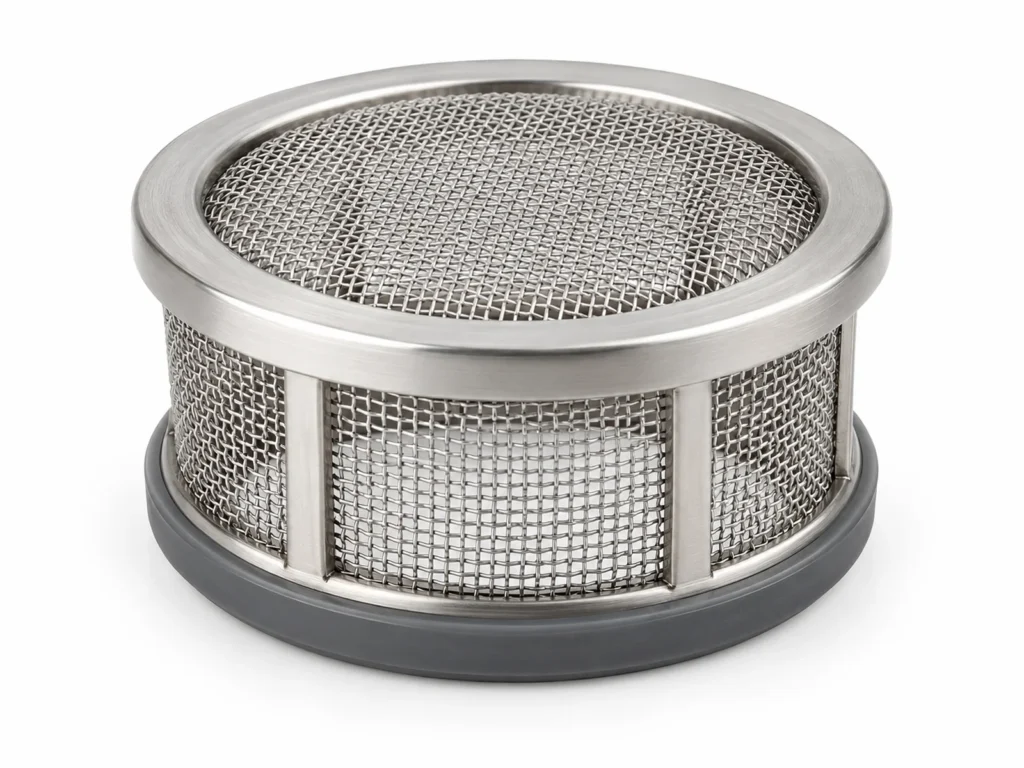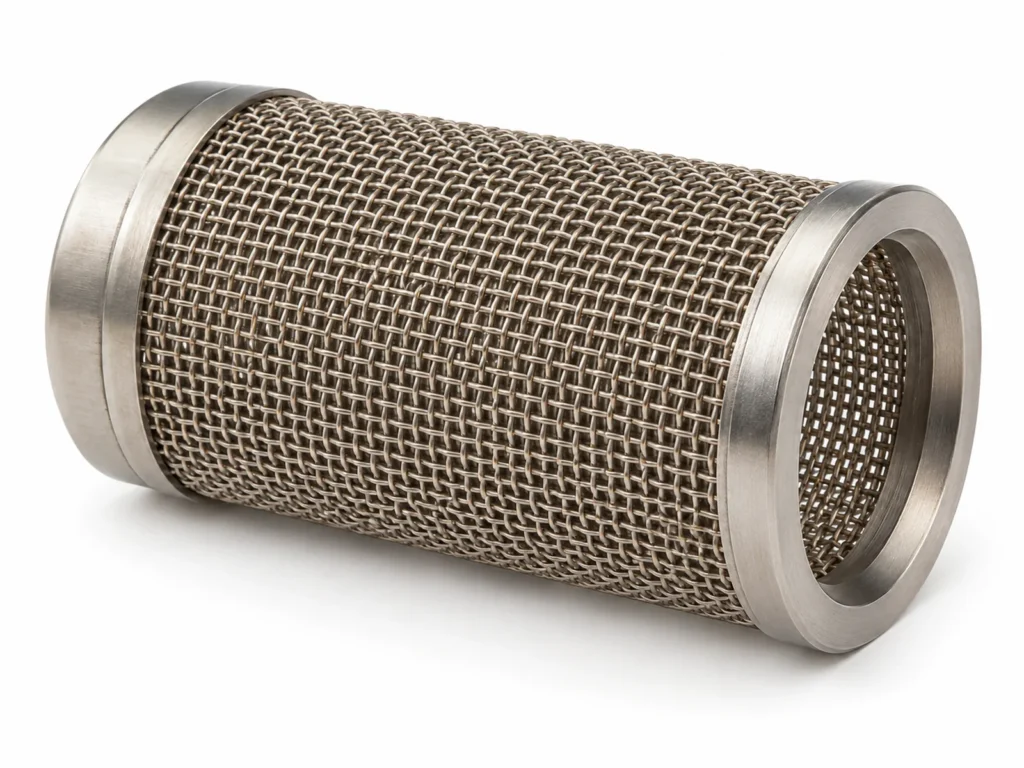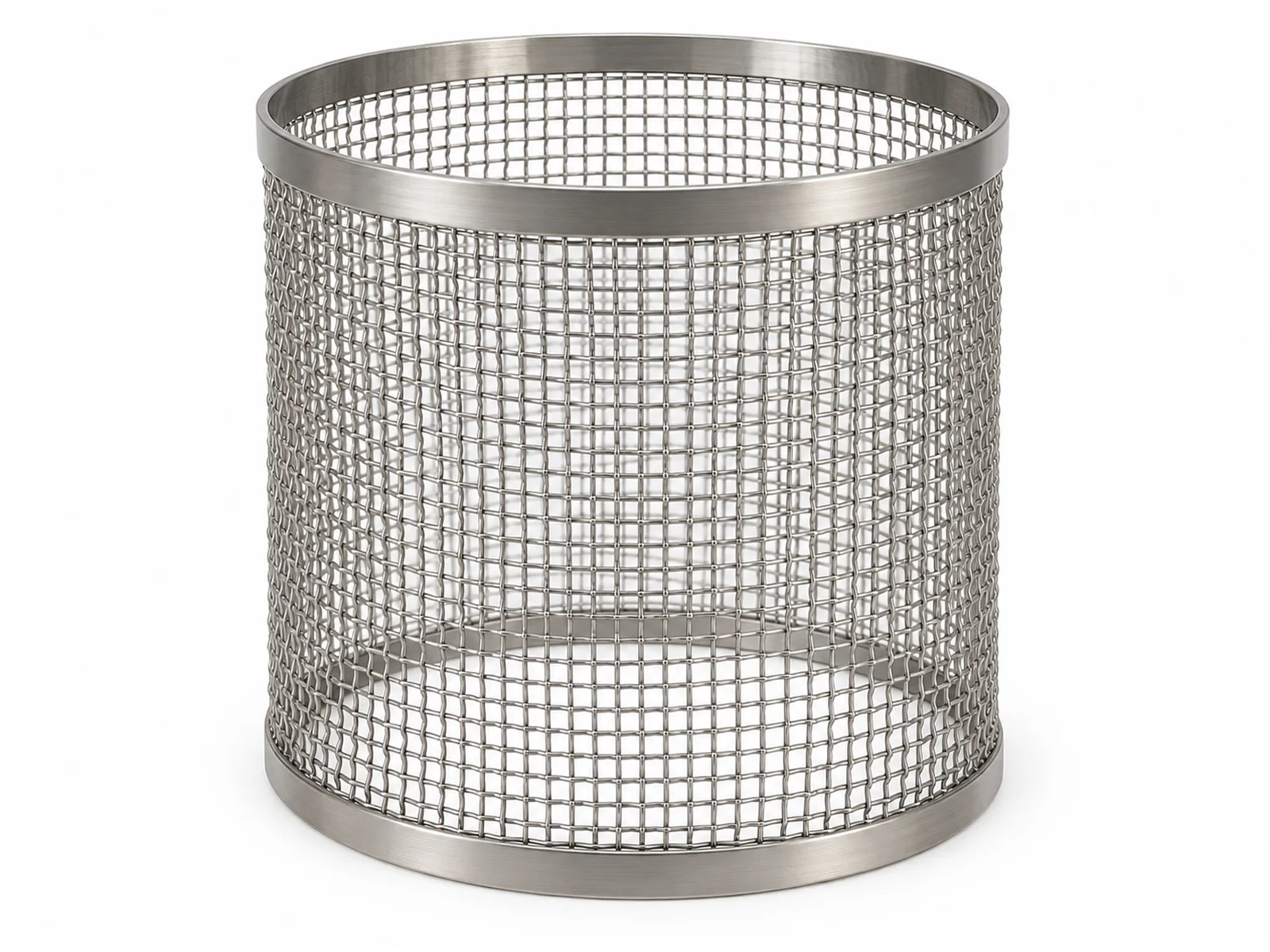
Chimney Cap & Fireplace Spark Arrester Screen is used primarily for stopping burning embers from leaving the chimney and keeping birds and animals out, while letting flue gas draw freely. This page lists the industries and assemblies where it is specified, the selection criteria that matter for each application, handling and installation practice, and the cases where a different mesh, screen or filter type is the correct choice. It is supplied to NFPA 211 / IRC R1003.9.
Typical Applications for Chimney Cap & Fireplace Spark Arrester Screen
Where Chimney Cap & Fireplace Spark Arrester Screen is specified and bought:
- Chimney sweeps & installers: spark screens fitted to new and existing chimney caps.
- Wildfire-prone regions: mandatory spark arresters on wood-burning chimneys.
- Stove & fireplace makers: screens supplied with cap kits.
- Outdoor fire pits & pizza ovens: spark screens on flues and lids.
How to Specify Chimney Cap & Fireplace Spark Arrester Screen for Your Application
- Opening size: Many codes require openings no larger than 1/2 in (12.7 mm) and no smaller than 3/8 in so the screen does not clog with soot.
- Wire & alloy: SS304 or SS316 heavy wire survives flue heat and creosote; galvanized corrodes quickly.
- Screen area: Free area of the screen should be at least four times the flue area so draft is not restricted.
- Standard: Quote NFPA 211 / IRC R1003.9 and the size designation from the table on the product page, plus any value you changed in the technical drawing.
Handling & Installation Practice
- Inspect the screen at every sweep; creosote glaze can close openings and choke the draft.
- Fit the cap with stainless fasteners so it can be removed for sweeping.
Common Selection Mistakes with Chimney Cap & Fireplace Spark Arrester Screen
- Choosing insect-fine mesh, which blocks with soot and causes smoke spillage indoors.
- Using galvanized screen on a wood stove, which scales and fails within a few seasons.
Where Chimney Cap & Fireplace Spark Arrester Screen Is Not the Right Choice
Not a flue liner or rain cap substitute, and not designed for high-temperature industrial stacks.