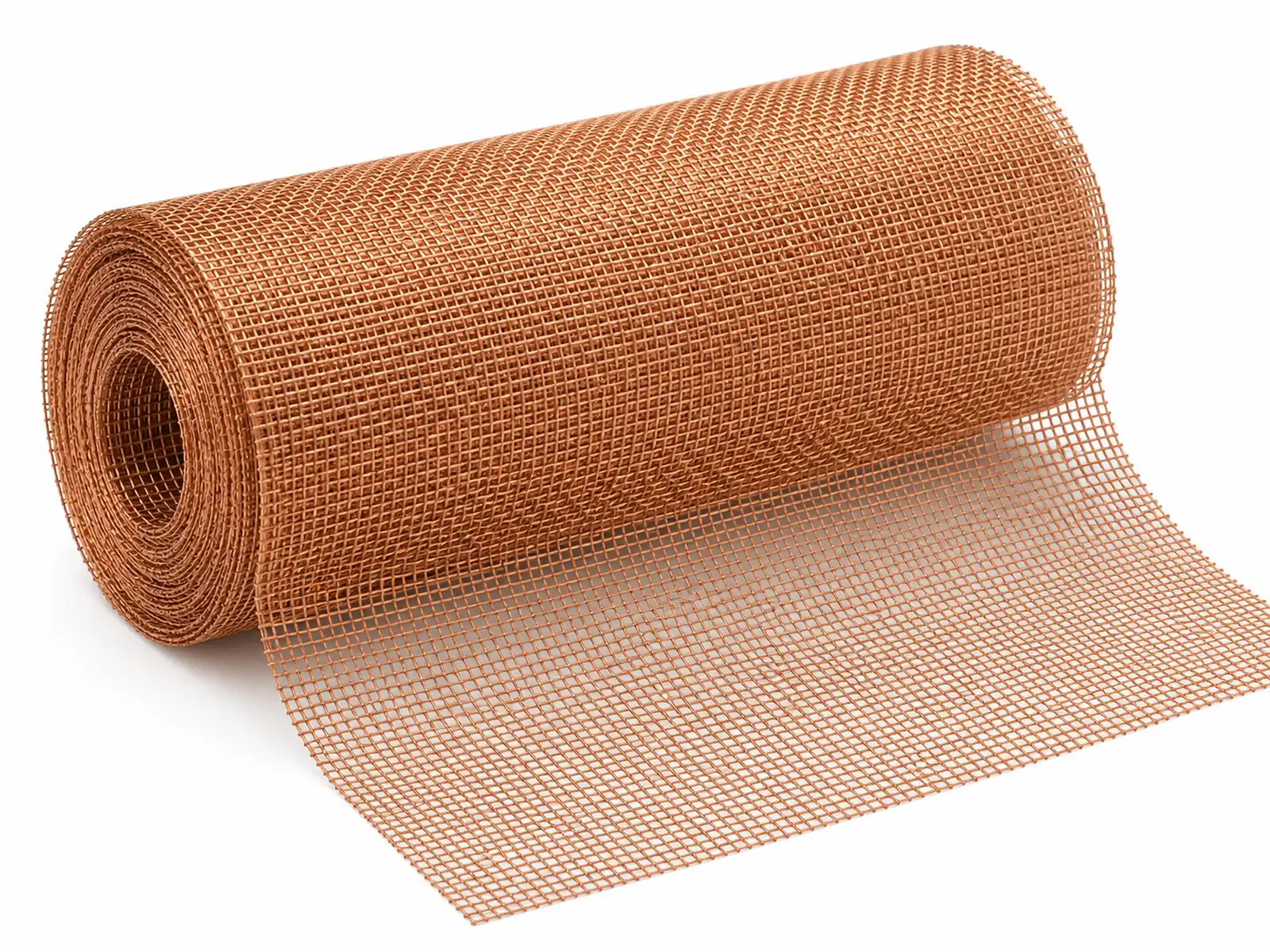
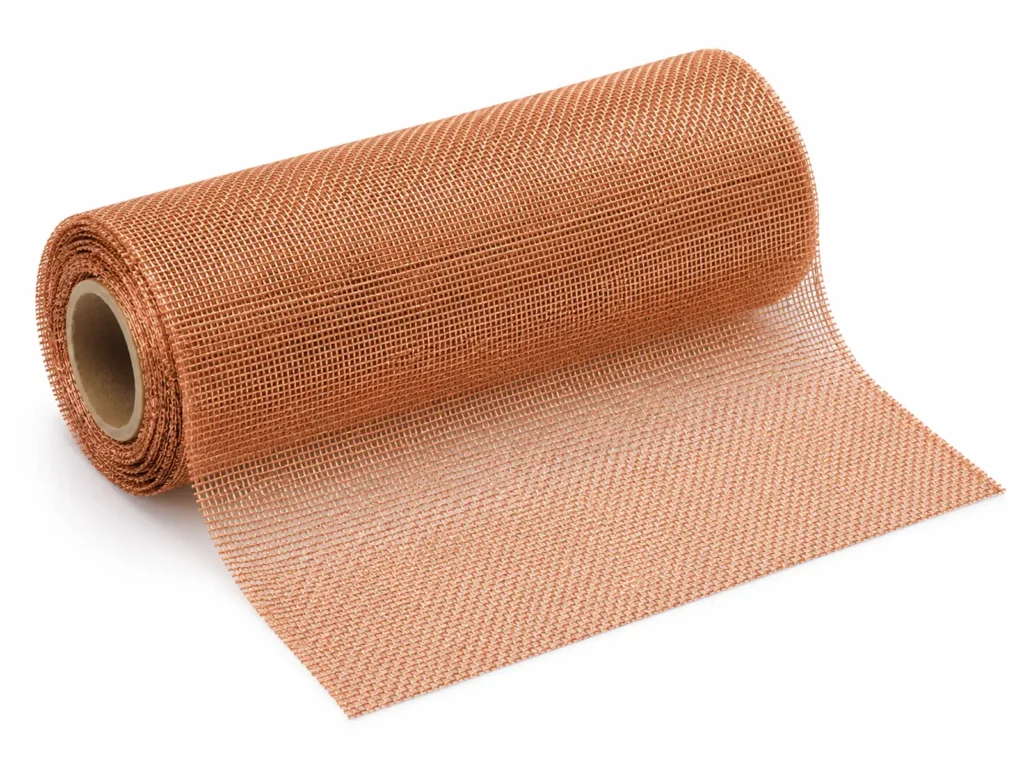
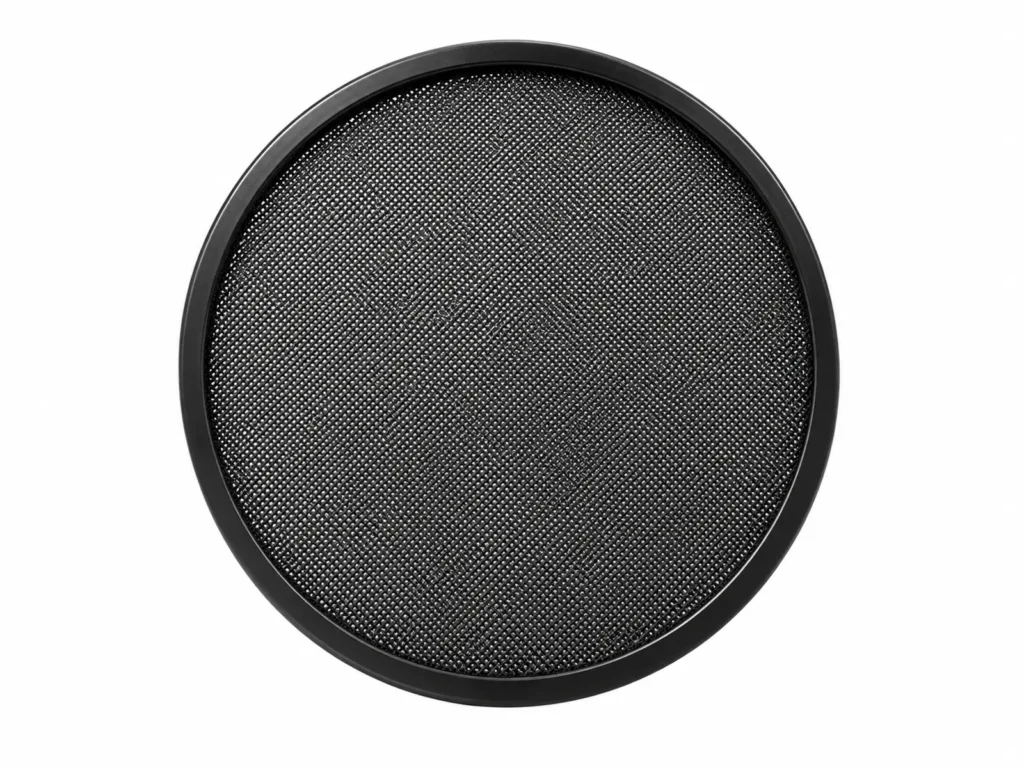
Faraday Cage Shielding Mesh for building Faraday cages, RF-shielded rooms and EMP-protected enclosures from conductive woven metal mesh that blocks external radio-frequency fields while staying light, ventilated and see-through. 5 sizes listed, with technical drawing and quotation.
Customize the parameters below — every spec field is editable, and the drawing redraws to match the values you choose. Changing the size will snap the other fields to that size's standard values; you can then override any individual value.
Sends the selected values to the quote form below.
Request a Quotation for Faraday Cage Shielding Mesh
Tell us the specification (mesh count / micron / dimensions), material and quantity you need for Faraday Cage Shielding Mesh (IEEE 299 / MIL-STD-188-125) and our team will respond within one business day. Click "Request this configuration" on the drawing above to send the parameters you just chose straight into this form.
Faraday Cage Shielding Mesh (IEEE 299 / MIL-STD-188-125) is used for building Faraday cages, RF-shielded rooms and EMP-protected enclosures from conductive woven metal mesh that blocks external radio-frequency fields while staying light, ventilated and see-through.
Also known as: metal mesh for faraday cage, faraday cage mesh, RF shielding mesh, copper shielding mesh
Mesh count & material: Copper 16–60 mesh gives the best attenuation per weight; galvanized steel mesh is cheaper and also shields magnetic fields at low frequency.
Opening vs frequency: Holes must be much smaller than the wavelength — finer mesh for higher frequencies (Wi-Fi, 5G).
Seams & grounding: Overlap seams by at least 50 mm, bond them continuously and ground the cage at a single point.
Materials
Standard supply is copper, stainless steel 304; the material column in the table and the drawing options show the exact grade for each size. Other alloys and finishes can be quoted to your drawing.
Fitting & Care
Solder or clamp every seam continuously; spot fixings leave slot-shaped leaks.
Seal doors and lids with conductive finger stock or gasket, and filter any cable that enters.
Common Mistakes
Unbonded seams or doors, which leak far more RF than the mesh itself.
Running unfiltered power or data cables through the cage wall, which carries RF straight in.
When Faraday Cage Shielding Mesh Is Not the Right Choice
Not a lightning-protection system, and a mesh cage alone does not stop very low-frequency magnetic fields — those need solid steel or mu-metal shielding.
Faraday Cage Shielding Mesh is stocked and supplied to order in rolls, cut sheets and fabricated pieces. Pricing starts from approximately US$7.80 per unit for standard specifications in stainless steel 304; final pricing depends on specification, alloy, quantity and fabrication (MOQ applies). Submit your exact configuration with the quote form above.
Building Faraday cages, RF-shielded rooms and EMP-protected enclosures from conductive woven metal mesh that blocks external radio-frequency fields while staying light, ventilated and see-through.
What is the best metal mesh for a Faraday cage?
Copper woven mesh around 16–60 mesh; galvanized steel mesh is a cheaper alternative.
Does the mesh hole size matter for a Faraday cage?
Yes — openings must be much smaller than the wavelength being blocked, so higher frequencies need finer mesh.
Copper or galvanized Faraday cage mesh?
Copper shields better and is easier to solder; galvanized steel is stronger and cheaper.
Which specifications of Faraday Cage Shielding Mesh does custommetalfilters.com supply?
The table on this page lists 5 standard specifications for Faraday Cage Shielding Mesh, from 16-Mesh to 60-Mesh. Specifications outside the table — custom mesh counts, wire diameters, roll widths and fabricated pieces — can be quoted on request.
How do I request a quotation?
Use the parametric drawing on this page to set the exact configuration (specification, material, treatment) and click "Request this configuration" — a specialist from custommetalfilters.com will respond within one business day.
Related Mesh Products
Closely related constructions in Acoustic & Electronics Mesh — compare aperture range, open area and cleanability.
This website uses only necessary and functional cookies to operate, secure, and improve basic website performance.
We do not use advertising cookies, Google Analytics, or cross-site tracking technologies.
Privacy Policy