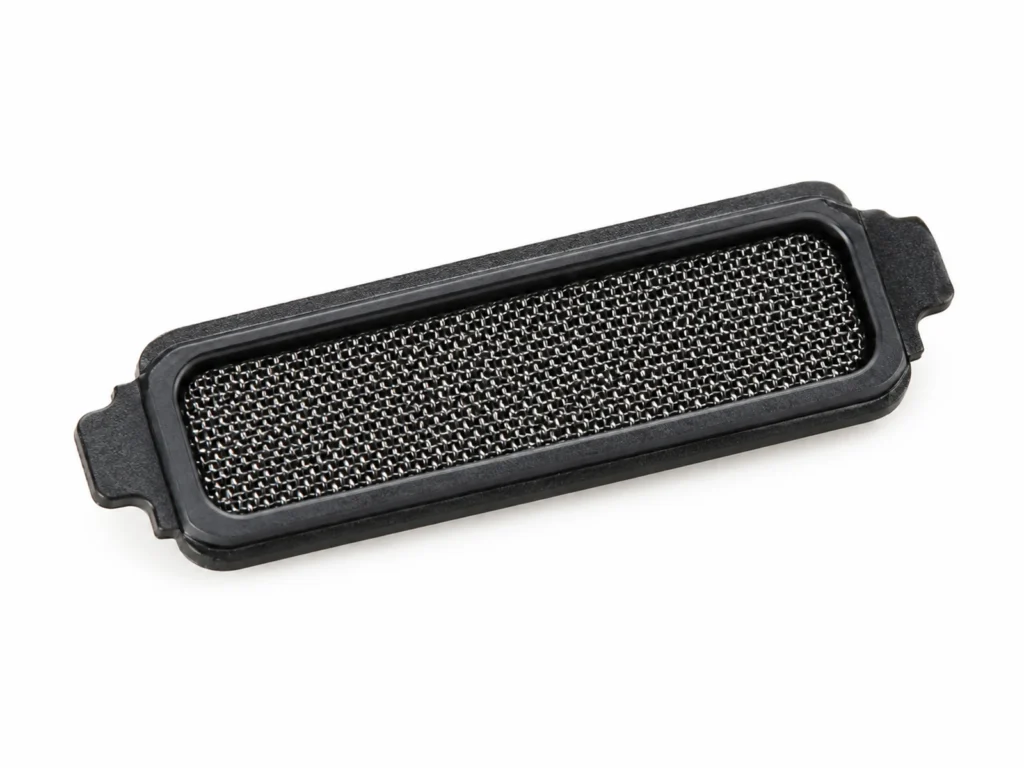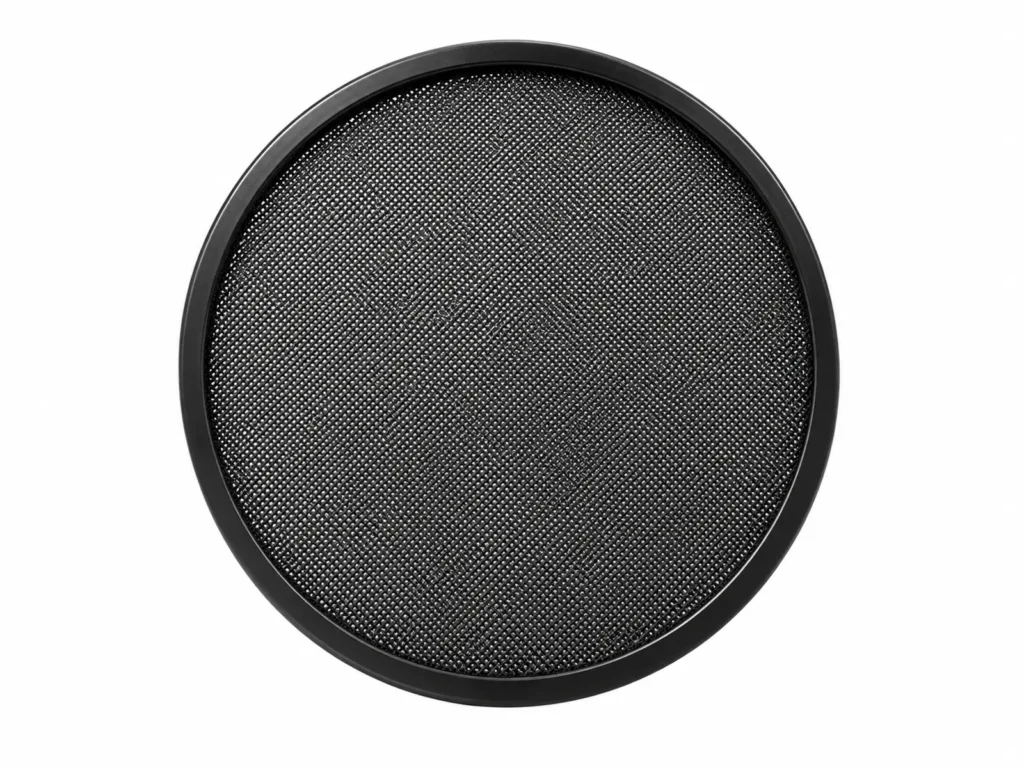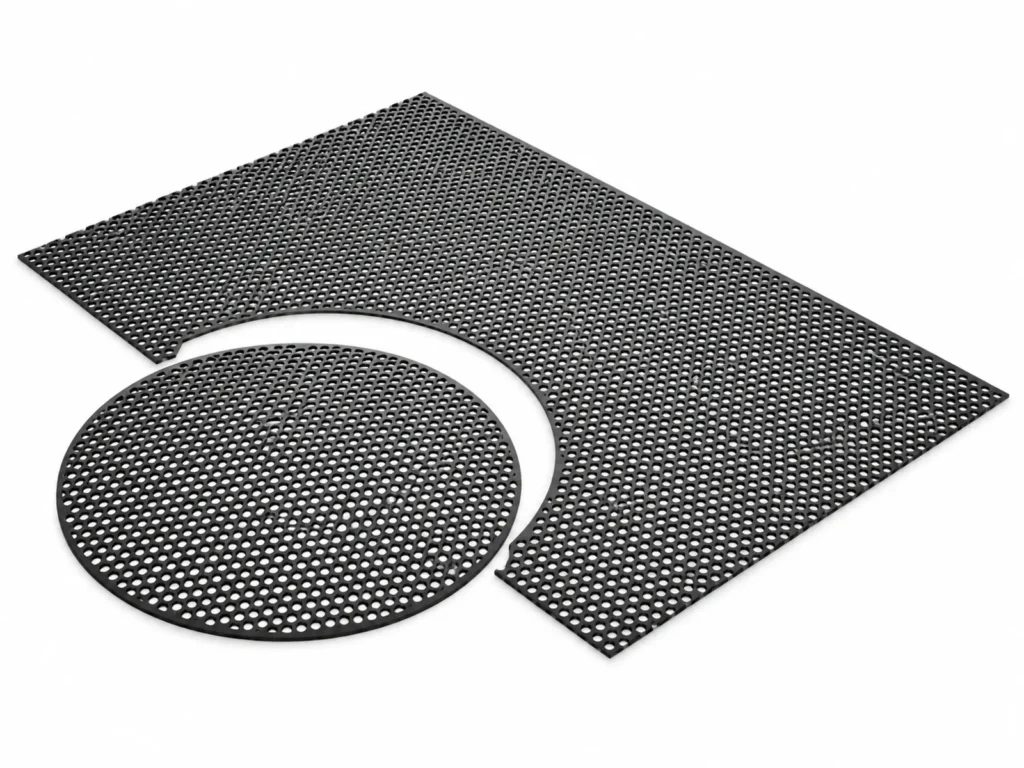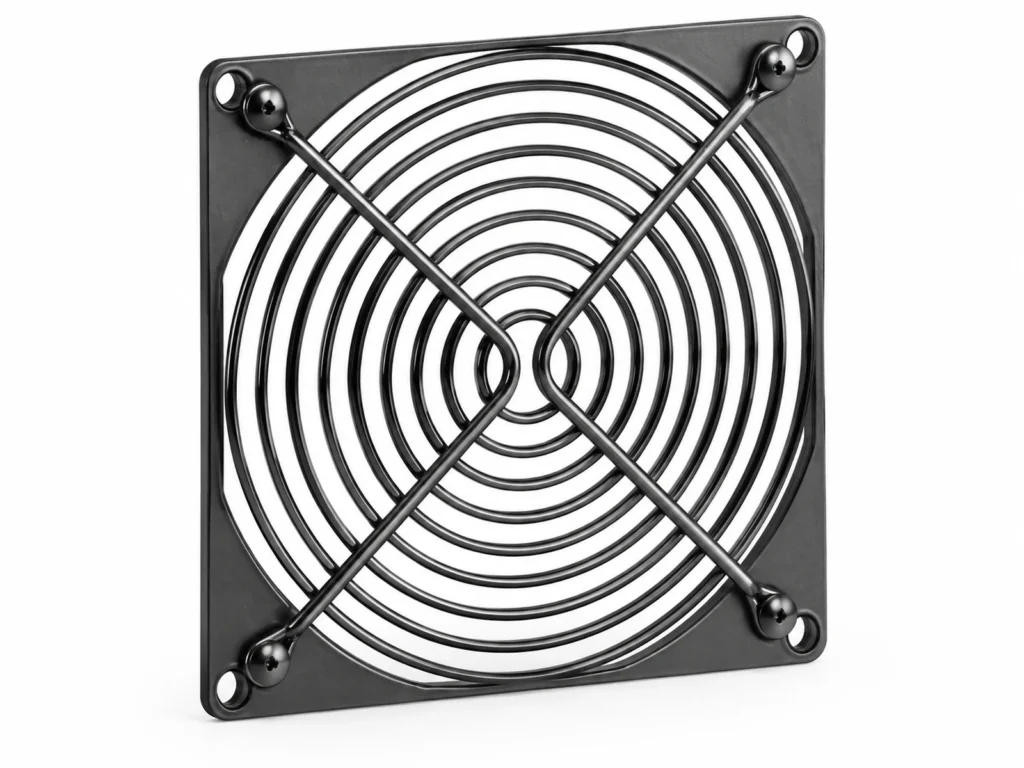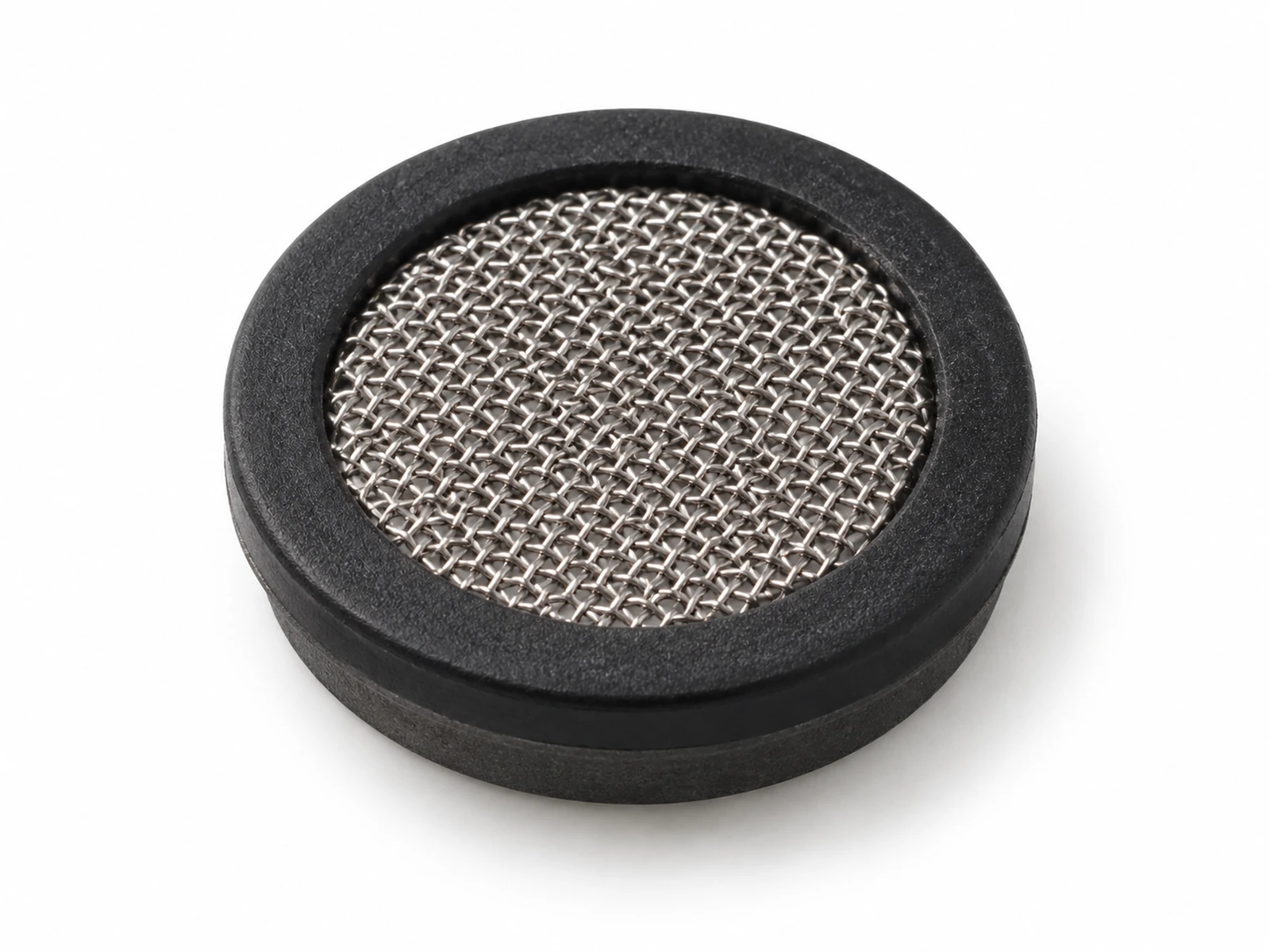
MEMS Microphone Dust Mesh is used for shielding the acoustic port of MEMS microphones from dust, lint and splashes with a tiny die-cut mesh whose acoustic resistance is matched to the microphone. IP68 designs is the reference cited for it on drawings, datasheets and purchase orders.
What IP68 designs Means for MEMS Microphone Dust Mesh
The dimensions in the table below are supplied to suit IP68 designs. Where the standard sets requirements for the finished appliance, device or system, compliance testing of that assembly stays with its manufacturer; we supply the metal mesh part to the drawing and can provide material certificates and dimensional reports with the shipment.
MEMS Microphone Dust Mesh Dimensions
| Part | Length (mm) | Width (mm) | Thickness (mm) | Hole diameter (mm) | Open area (%) | Acoustic resistance (MKS Rayl) |
|---|---|---|---|---|---|---|
| u00d82.0 port | 2.0 | 2.0 | 0.04 | 0.030 | 15 | 260 |
| u00d83.0 port | 3.0 | 3.0 | 0.04 | 0.030 | 15 | 260 |
| u00d84.0 port | 4.0 | 4.0 | 0.05 | 0.040 | 20 | 180 |
| Oval 3 u00d7 2 | 3.0 | 2.0 | 0.04 | 0.030 | 15 | 260 |
Specifying MEMS Microphone Dust Mesh Beyond the Standard
- Port geometry: Specify the port as round (Ø2–4 mm) or oval, and the adhesive ring inner diameter so glue never overlaps the open mesh.
- Acoustic resistance: Higher MKS Rayl gives better ingress protection but costs sensitivity and SNR; specify a target with a tolerance band (typically ±15 %).
- Array matching: For beam-forming arrays order all meshes from one etching lot so resistance does not vary port to port.
When MEMS Microphone Dust Mesh Is Not the Right Choice
Not a waterproof barrier by itself; IPX7/IPX8 microphones combine the metal mesh with a hydrophobic ePTFE membrane.