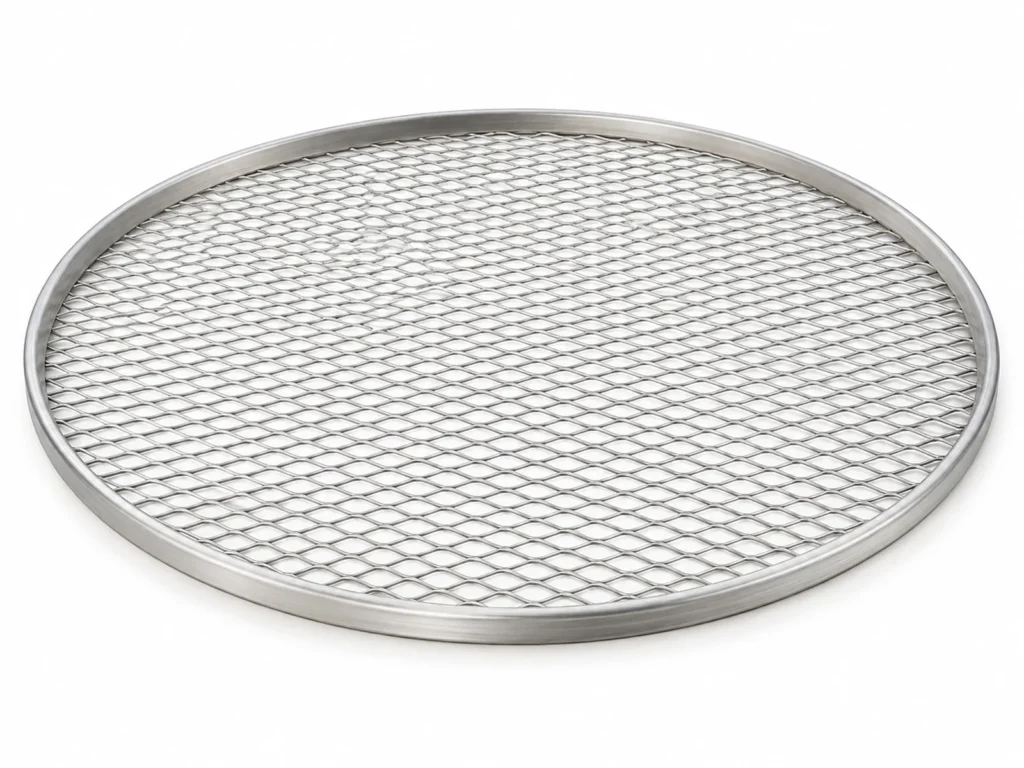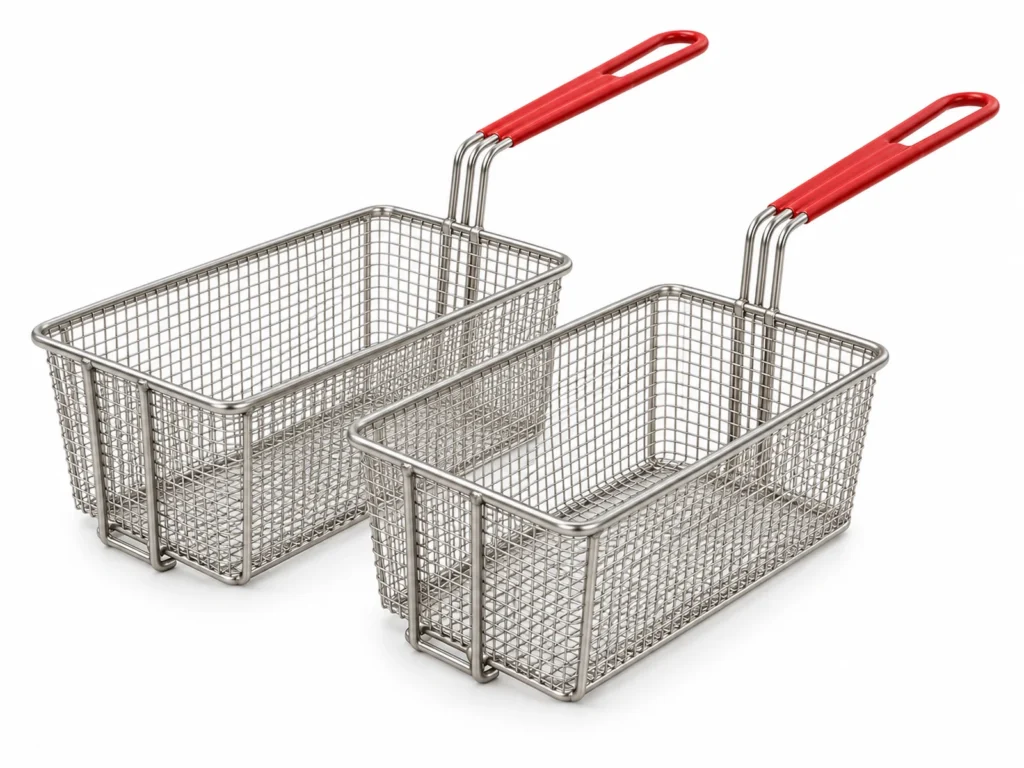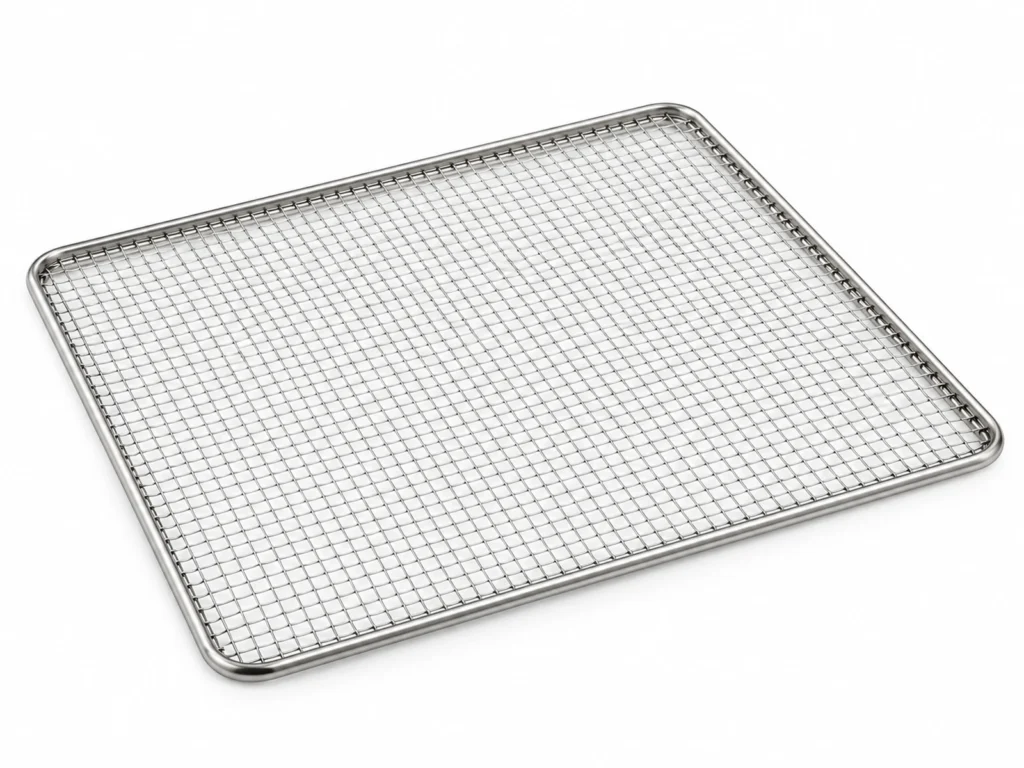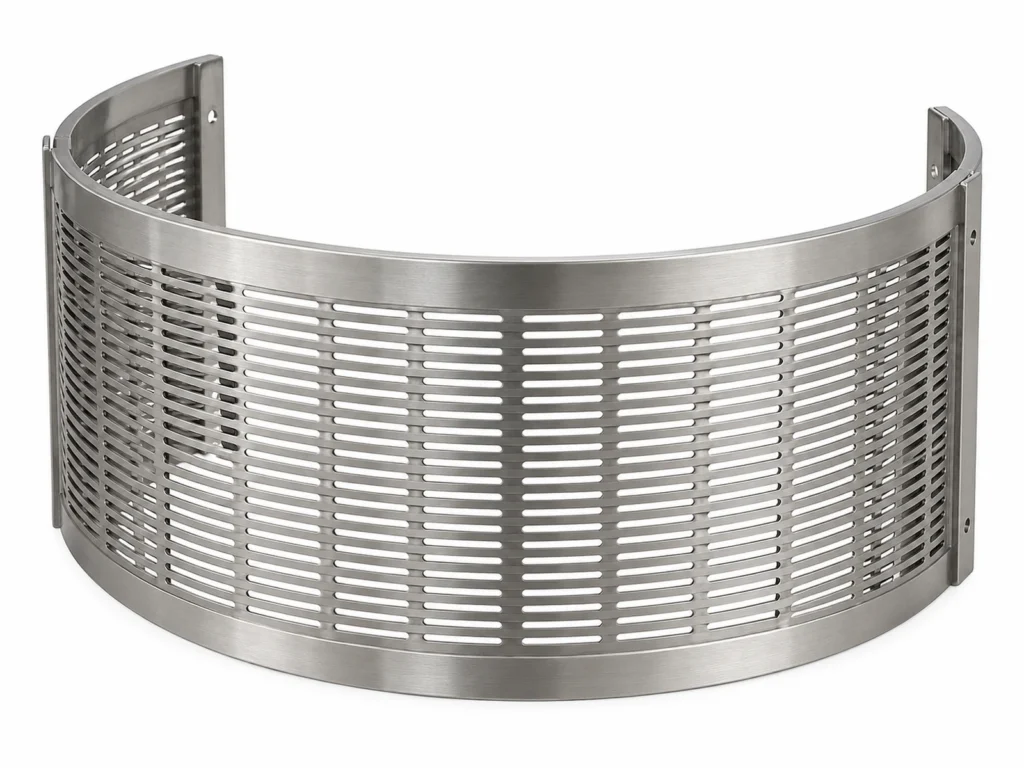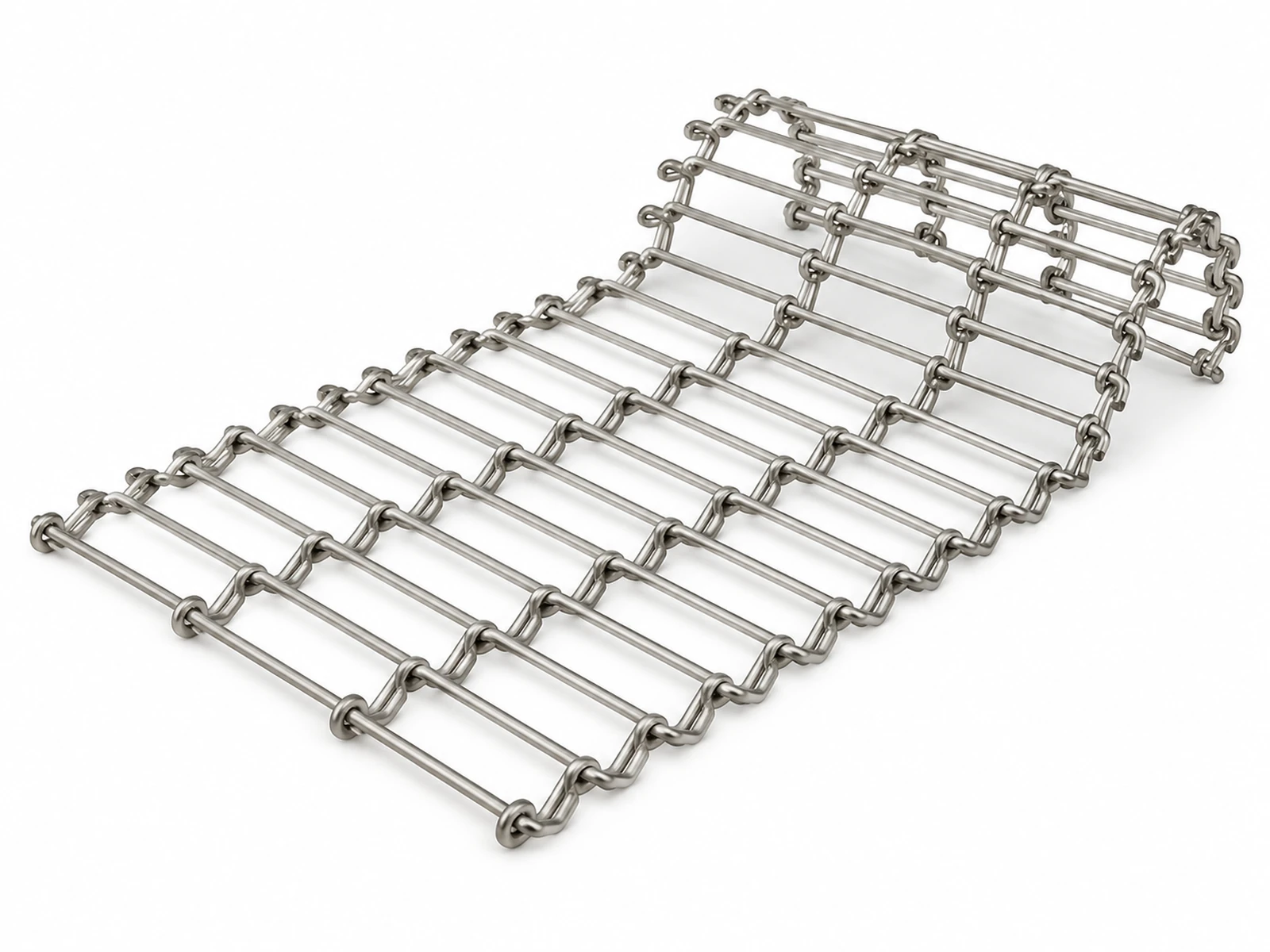
Industrial Fryer Mesh Conveyor Belt is selected when an assembly or process calls for carrying snacks, chips, nuts and coated products through continuous industrial fryers on open stainless mesh belts that let oil circulate and drain. This application guide to the FDA 21 CFR / EU 1935/2004 food contact type covers concrete end-uses, the specification checklist, correct installation, and where an alternative mesh or filter medium performs better.
Typical Applications for Industrial Fryer Mesh Conveyor Belt
Where Industrial Fryer Mesh Conveyor Belt is specified and bought:
- Snack food plants: potato chip, tortilla chip and extruded snack fryers.
- Meat & poultry processing: continuous fryers for breaded and battered products.
- Nut & seed roasting: oil roasting conveyors.
- Fryer OEMs: main, submerger and take-out belts.
How to Specify Industrial Fryer Mesh Conveyor Belt for Your Application
- Belt type: Flat-flex for light products and easy cleaning; balanced weave for heavy loads; honeycomb for maximum open area.
- Width, pitch & drive: Match fryer width, sprocket pitch and drive system exactly.
- Alloy: SS304 for frying oil; SS316 where salt or acidic seasonings are present.
- Standard: Quote FDA 21 CFR / EU 1935/2004 food contact and the size designation from the table on the product page, plus any value you changed in the technical drawing.
Handling & Installation Practice
- Run the belt through a full temperature cycle before production so it stretches evenly.
- Boil out with caustic on schedule to remove polymerized oil from the mesh.
Common Selection Mistakes with Industrial Fryer Mesh Conveyor Belt
- Mixing a new belt section with a worn, stretched belt, which tracks badly.
- Letting carbonized oil build up until the belt loses open area and product sticks.
Where Industrial Fryer Mesh Conveyor Belt Is Not the Right Choice
Not suited to batter that drips through the openings before it sets — use a solid or fine-mesh infeed belt there.