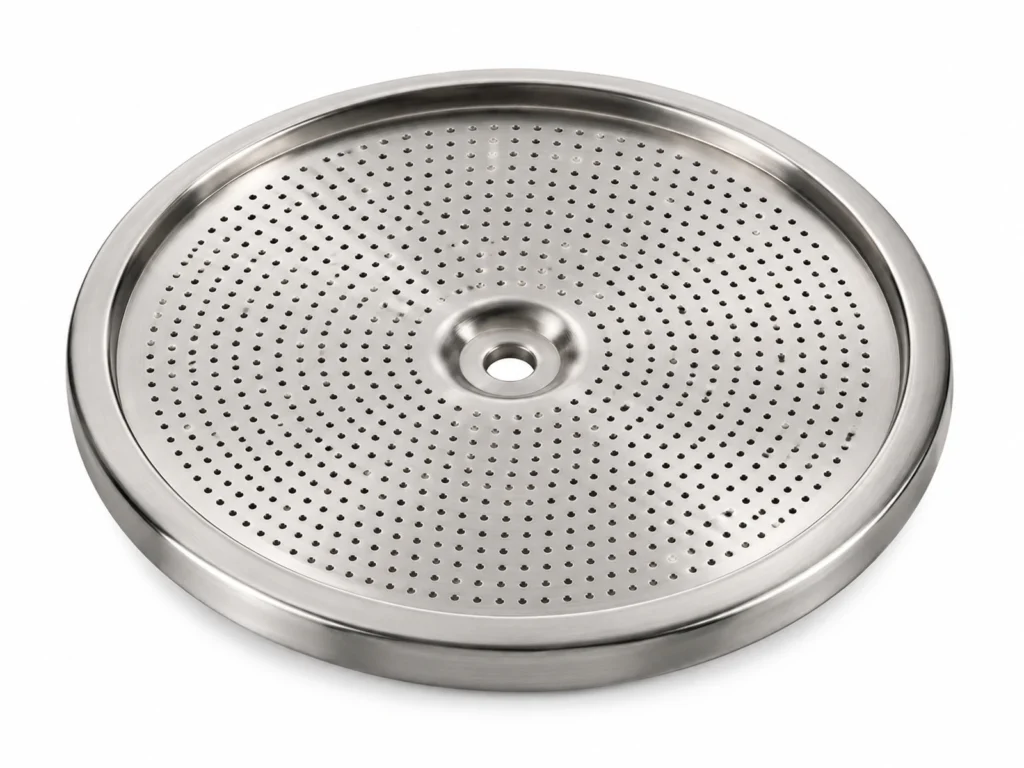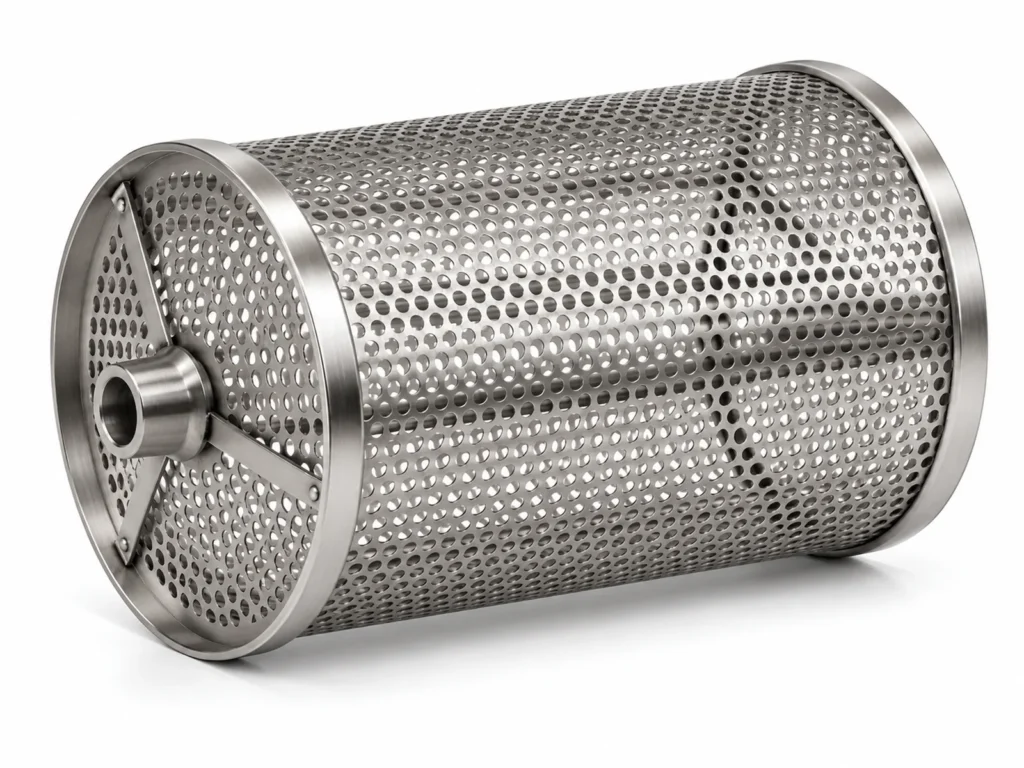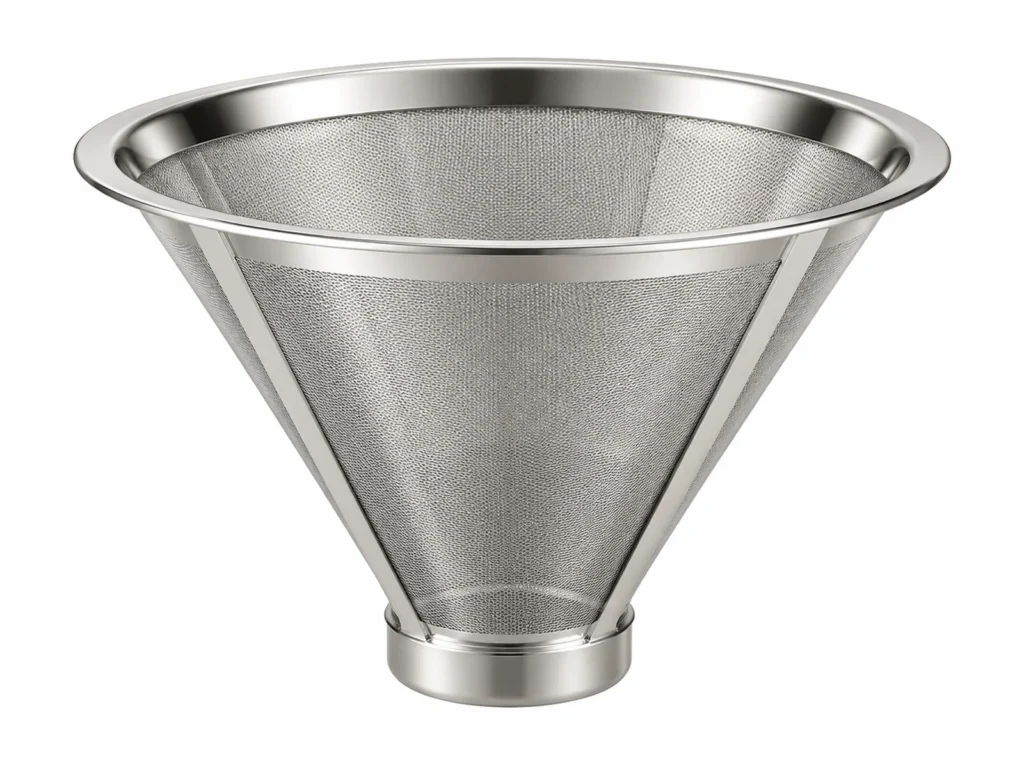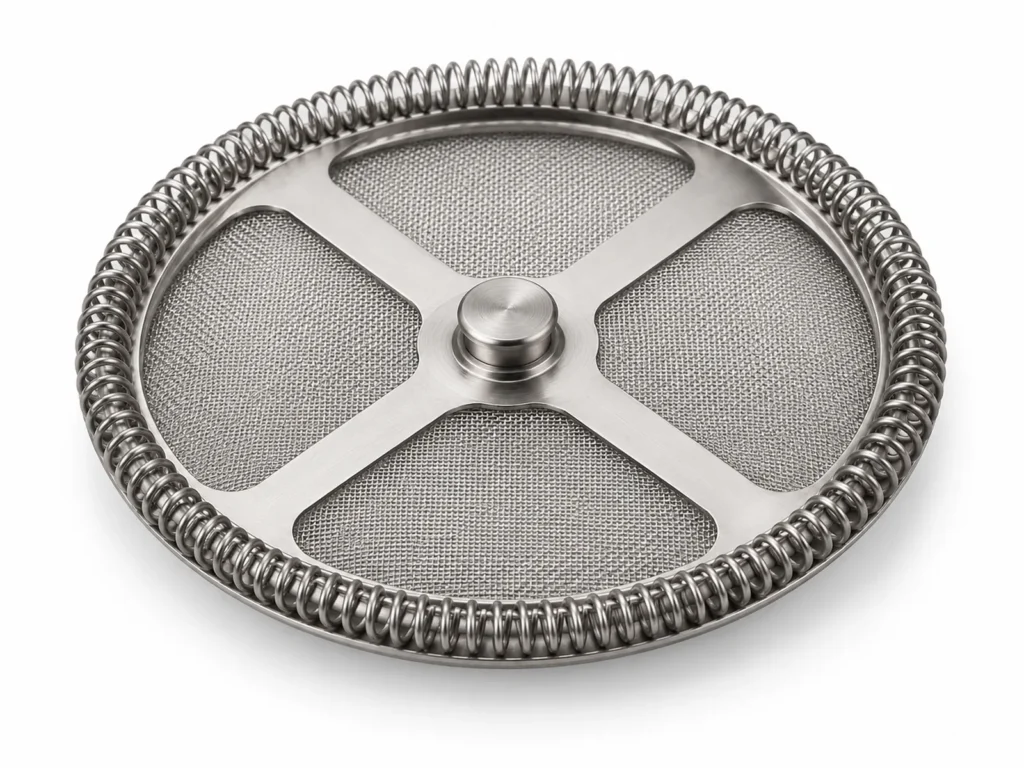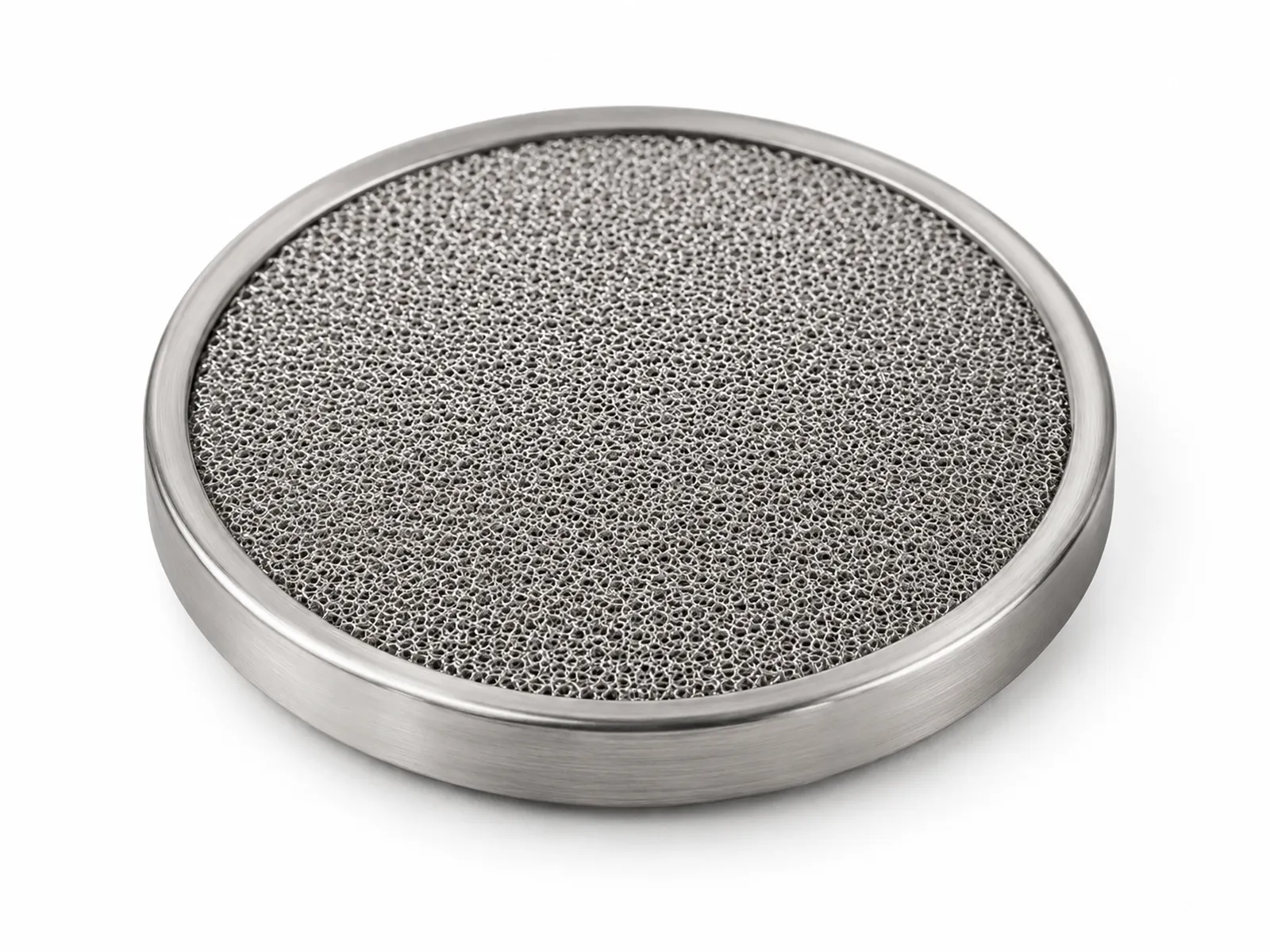
Espresso Puck Screen is selected when an assembly or process calls for spreading shower-head water evenly over the espresso puck and keeping the group-head screen clean. This application guide to the FDA 21 CFR / EU 1935/2004 food contact type covers concrete end-uses, the specification checklist, correct installation, and where an alternative mesh or filter medium performs better.
Typical Applications for Espresso Puck Screen
Where Espresso Puck Screen is specified and bought:
- Barista accessory brands: puck screens sold with distribution and tamping tools.
- Home espresso enthusiasts: shots with less channeling and cleaner shower screens.
- Café workflows: faster group cleaning between shots during service.
- Machine OEMs: factory accessories for single-boiler and lever machines.
How to Specify Espresso Puck Screen for Your Application
- Diameter: Choose 0.2–0.5 mm under the basket inner diameter so the screen sits flat without binding.
- Thickness: A 1.7 mm sintered screen raises headspace use; a 1.0 mm single-mesh screen suits shallow baskets.
- Construction: Sintered multi-layer screens are rigid and stay flat; laser-cut single mesh is lighter and cheaper.
- Standard: Quote FDA 21 CFR / EU 1935/2004 food contact and the size designation from the table on the product page, plus any value you changed in the technical drawing.
Handling & Installation Practice
- Place the screen on the tamped puck, mesh side down, and reduce the dose slightly to keep headspace.
- Rinse after each shot and soak with espresso cleaner daily so the sintered layers do not retain oils.
Common Selection Mistakes with Espresso Puck Screen
- Leaving the dose unchanged so the screen touches the group gasket and the portafilter will not lock.
- Buying a screen sized to the basket rim rather than the inner floor diameter.
Where Espresso Puck Screen Is Not the Right Choice
Not useful in pressurized baskets or capsule machines, where water distribution is set by the machine.